
سُورَةُ مَرۡيَمَ
Surah Maryam: Meaning, Stories, and How to Read It
Surah Maryam MP3 Audio Download
Full recitation by Mishary Rashid Alafasy
Download MP3Audio: AlQuranCloud — Mishary Rashid Alafasy (128 kbps)
Revelation
Revealed in Makkah
Verses
98 ayat
Surah No.
Surah 19
Juz
Juz 16
A friend tells you to read Surah Maryam during pregnancy. A relative plays it on a Friday evening. You hear the name often, but you have never sat with the full surah yourself. Surah Maryam rewards that first careful read. It opens with an old man praying for a child. Then comes a young woman alone under a palm tree. Then a newborn baby speaks to defend his mother. These are stories of mercy arriving when people had run out of options.
This guide gives you the whole surah in one place. You will find the Arabic text in Uthmani script, a transliteration to help you pronounce each verse, an English translation, and an Urdu translation. Every verse also has audio, so you can listen and read along. The guide explains the main stories, answers the questions people ask most, and points you to the verses worth returning to. You do not need to know Arabic to begin. If you can read the Arabic script, start there. If you cannot, the transliteration carries you through the sounds while the translation carries the meaning.
What Is Surah Maryam?
It is the nineteenth surah of the Quran, revealed in Makkah, and it follows Surah Al-Kahf in the order of the Quran. It is named after Maryam, the mother of Isa, and her story forms the heart of the chapter. The surah also tells of Zakariyya and his son Yahya, and of Ibrahim and the prophets who came after him. Its verses close with a soft, steady rhyme, which makes it one of the most loved surahs to hear recited. The chapter carries a clear thread from start to finish. Allah gives mercy to people who seem to have no way forward. He alone has power over birth, life, and death.
Verses 1–15: Zakariyya and Yahya
The first eleven verses of the surah tell of Zakariyya's prayer for a son. He was an old prophet whose bones had grown weak, and his wife could not bear a child. He called on his Lord in a quiet voice and asked for an heir to carry his work forward. Allah answered with news of a son, Yahya, a name never given to anyone before. Zakariyya asked for a sign, and the sign was that he would not speak to people for three nights, even though nothing was wrong with him. When he came out to his people, he signaled to them to glorify Allah morning and afternoon. Allah then gave Yahya wisdom while he was still a boy, and made him kind to his parents. These opening verses set the tone for the whole surah: Allah answers prayers that look impossible, and He does it with ease.
Maryam and the Birth of Isa
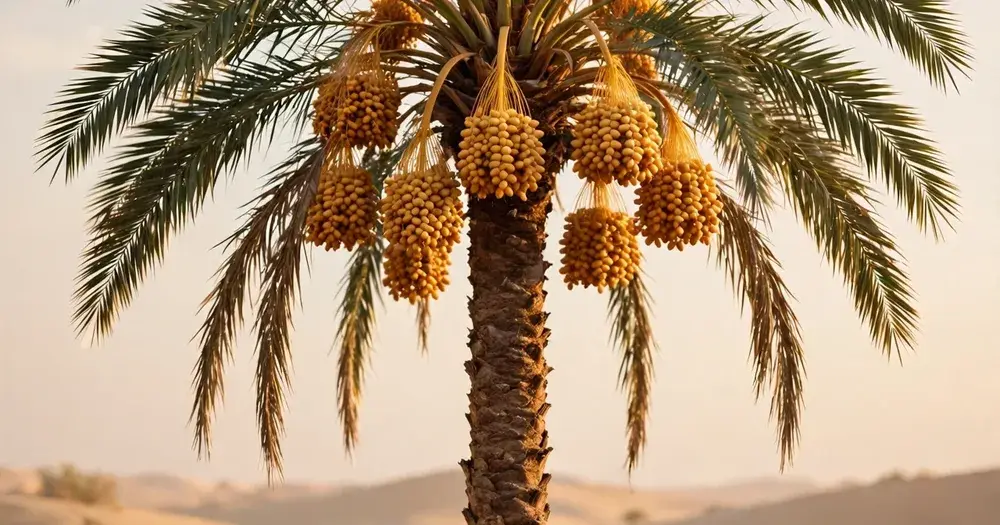
Maryam withdrew from her family to a place toward the east, and an angel came to her in the form of a man. He told her she would have a pure son. She asked how that could be, since no man had touched her, and the angel answered that it was easy for her Lord. When the pains of childbirth came, she went to the trunk of a palm tree and wished she had died before that day. A voice called to her not to grieve, and told her to shake the palm tree toward herself, so ripe dates would fall. She ate, drank, and rested. When her people saw her carrying the baby, they accused her of a terrible thing. She pointed to the child instead of answering them. The next passage holds what the baby said. Her story also appears in Surah Al-e-Imran, which tells how her mother dedicated her to Allah before she was born.
Verses 30–35: The Infant Speaks from the Cradle
The infant spoke from the cradle. He said he was the servant of Allah, that Allah had given him the Scripture and made him a prophet, and that he was blessed wherever he was. He said he was told to pray and give charity for as long as he lived, and to be kind to his mother. The passage closes by naming him plainly: Isa, the son of Maryam, the word of truth about which people dispute. These six verses settle the question the whole surah has been building toward. Isa is a prophet and a servant, honored by Allah, and the surah leaves no room for doubt on that point. That is why readers return to this passage more than any other in the surah, and why it is the first part many people memorize.
Ibrahim and the Prophets Who Followed
After the story of Isa, the surah turns to Ibrahim. Prophet Ibrahim spoke gently to his father, who worshipped idols, and urged him to follow the truth. His father refused, and Ibrahim left his people and what they worshipped. Allah gave him Ishaq and Yaqub, and made each of them a prophet. The surah then names Musa, Ismail, and Idris in turn, and praises them for their truthfulness and patience. Verse 58 closes this passage, and it is a verse of prostration: when the names of these prophets are read, the reader bows down. The passage reminds you that guidance runs through families and generations, and that each prophet carried the same call.
What the Surah Says About Allah and the Day of Judgment
The final part of the surah turns from stories to warning. It says that after the prophets came generations who neglected prayer and followed desires, and that they will face the outcome of that choice. It also answers the claim that Allah has a son, and states plainly that it does not befit Allah to take a son. The surah closes with the Day when people will be gathered. It also promises that Allah will place love in the hearts of people for those who believe and do good. The chapter ends as it began, with mercy, but it leaves no doubt about the reckoning to come.
Why Many People Read Surah Maryam During Pregnancy
In Indonesia, many women read this surah during pregnancy, and families often suggest it to expectant mothers. The practice comes from love for Maryam's story: a mother who faced childbirth alone, received comfort and dates from Allah, and was told not to grieve. Some people also read it hoping for a smooth delivery and a righteous child. The Quran does not promise a specific outcome for reading this surah in pregnancy, and no verse states such a reward. The practice is a custom that families pass down, not a ruling. You can read the surah in pregnancy for the same reason you read it at any other time: to reflect on its stories and draw near to Allah.
How to Read This Surah
You can read the whole surah on this page, verse by verse, in four layers. The list below shows the order that works best for most readers.
- Start with the Arabic text if you can read the script, and listen to the audio for any verse you want to hear.
- Read the transliteration under each verse to practice the sounds.
- Read the English translation to follow the meaning.
- Read the Urdu translation if that is the language you think in.
- Take the surah in parts if it feels like a lot in one sitting. The Zakariyya passage, the Maryam passage, and the prophets passage each stand on their own.
Where to Find Each Passage
Use this table to jump to the passage you want.
| Passage | Verses |
|---|---|
| Zakariyya prays for a son | 19:1–11 |
| Yahya receives the Scripture as a boy | 19:12–15 |
| The angel brings Maryam news of a son | 19:16–21 |
| Childbirth under the palm tree | 19:22–26 |
| Maryam is accused, and the infant speaks | 19:27–35 |
| Ibrahim leaves his people | 19:41–50 |
| Musa, Ismail, and Idris | 19:51–57 |
| The verse of prostration | 19:58 |
Read the Complete Surah in Arabic
Here is the complete Arabic text of this surah in the Uthmani script, each verse with transliteration, English translation, and Urdu translation, so you can read the entire chapter right here.
1 بِسْمِ ٱللَّهِ ٱلرَّحْمَٰنِ ٱلرَّحِيمِ كٓهيعٓصٓ
19:1 Kaaaf-Haa-Yaa-'Ayyyn-Saaad
Kaf, Ha, Ya, 'Ayn, Sad.
کہیعص
2 ذِكْرُ رَحْمَتِ رَبِّكَ عَبْدَهُۥ زَكَرِيَّآ
19:2 Zikru rahmati Rabbika 'abdahoo Zakariyya
[This is] a mention of the mercy of your Lord to His servant Zechariah
یہ ہے تیرے پروردگار کی اس مہربانی کا ذکر جو اس نے اپنے بندے زکریا پر کی تھی
3 إِذْ نَادَىٰ رَبَّهُۥ نِدَآءً خَفِيًّۭا
19:3 Iz naadaa Rabbahoo nidaaa'an khafiyyaa
When he called to his Lord a private supplication.
جبکہ اس نے اپنے رب سے چپکے چپکے دعا کی تھی
4 قَالَ رَبِّ إِنِّى وَهَنَ ٱلْعَظْمُ مِنِّى وَٱشْتَعَلَ ٱلرَّأْسُ شَيْبًۭا وَلَمْ أَكُنۢ بِدُعَآئِكَ رَبِّ شَقِيًّۭا
19:4 Qaala Rabbi innee wahanal'azmu minnee washta'alar raasu shaibanw wa lam akum bidu'aaa'ika Rabbi shaqiyyaa
He said, "My Lord, indeed my bones have weakened, and my head has filled with white, and never have I been in my supplication to You, my Lord, unhappy.
کہ اے میرے پروردگار! میری ہڈیاں کمزور ہوگئی ہیں اور سر بڑھاپے کی وجہ سے بھڑک اٹھا ہے، لیکن میں کبھی بھی تجھ سے دعا کر کے محروم نہیں رہا
5 وَإِنِّى خِفْتُ ٱلْمَوَٰلِىَ مِن وَرَآءِى وَكَانَتِ ٱمْرَأَتِى عَاقِرًۭا فَهَبْ لِى مِن لَّدُنكَ وَلِيًّۭا
19:5 Wa innee khiftul mawaa liya minw waraaa'ee wa kaana tim ra atee 'aairan fahab lee mil ladunka waliyyaa
And indeed, I fear the successors after me, and my wife has been barren, so give me from Yourself an heir
مجھے اپنے مرنے کے بعد اپنے قرابت والوں کا ڈر ہے، میری بیوی بھی بانجھ ہے پس تو مجھے اپنے پاس سے وارث عطا فرما
6 يَرِثُنِى وَيَرِثُ مِنْ ءَالِ يَعْقُوبَ ۖ وَٱجْعَلْهُ رَبِّ رَضِيًّۭا
19:6 Yarisunee wa yarisu min aali Ya'qoob, waj'alhu Rabbi radiyya
Who will inherit me and inherit from the family of Jacob. And make him, my Lord, pleasing [to You]."
جو میرا بھی وارث ہو اور یعقوب (علیہ السلام) کے خاندان کا بھی جانشین اور میرے رب! تو اسے مقبول بنده بنا لے
7 يَٰزَكَرِيَّآ إِنَّا نُبَشِّرُكَ بِغُلَٰمٍ ٱسْمُهُۥ يَحْيَىٰ لَمْ نَجْعَل لَّهُۥ مِن قَبْلُ سَمِيًّۭا
19:7 Yaa Zakariyyaaa innaa nubashshiruka bighulaami nismuhoo Yahyaa lam naj'al lahoo min qablu samiyyaa
[He was told], "O Zechariah, indeed We give you good tidings of a boy whose name will be John. We have not assigned to any before [this] name."
اے زکریا! ہم تجھے ایک بچے کی خوشخبری دیتے ہیں جس کا نام یحيٰ ہے، ہم نے اس سے پہلے اس کا ہم نام بھی کسی کو نہیں کیا
8 قَالَ رَبِّ أَنَّىٰ يَكُونُ لِى غُلَٰمٌۭ وَكَانَتِ ٱمْرَأَتِى عَاقِرًۭا وَقَدْ بَلَغْتُ مِنَ ٱلْكِبَرِ عِتِيًّۭا
19:8 Qaala Rabbi annaa yakoonu lee ghulaamunw wa kaanatim ra atee aaqiranw wa qad balaghtu minal kibari 'itiyyaa
He said, "My Lord, how will I have a boy when my wife has been barren and I have reached extreme old age?"
زکریا (علیہ السلام) کہنے لگے میرے رب! میرے ہاں لڑکا کیسے ہوگا، جبکہ میری بیوی بانجھ اور میں خود بڑھاپے کے انتہائی ضعف کو پہنچ چکا ہوں
9 قَالَ كَذَٰلِكَ قَالَ رَبُّكَ هُوَ عَلَىَّ هَيِّنٌۭ وَقَدْ خَلَقْتُكَ مِن قَبْلُ وَلَمْ تَكُ شَيْـًۭٔا
19:9 Qaala kazaalika qaala Rabbuka huwa 'alaiya haiyinunw wa qad khalaqtuka min qablu wa lam taku shai'aa
[An angel] said, "Thus [it will be]; your Lord says, 'It is easy for Me, for I created you before, while you were nothing.' "
ارشاد ہوا کہ وعده اسی طرح ہو چکا، تیرے رب نے فرما دیا ہے کہ مجھ پر تو یہ بالکل آسان ہے اور تو خود جبکہ کچھ نہ تھا میں تجھے پیدا کر چکا ہوں
10 قَالَ رَبِّ ٱجْعَل لِّىٓ ءَايَةًۭ ۚ قَالَ ءَايَتُكَ أَلَّا تُكَلِّمَ ٱلنَّاسَ ثَلَٰثَ لَيَالٍۢ سَوِيًّۭا
19:10 Qaala Rabbij 'al leee Aayah; qaala Aayatuka allaa tukalliman naasa salaasa layaalin sawiyyaa
[Zechariah] said, "My Lord, make for me a sign." He said, "Your sign is that you will not speak to the people for three nights, [being] sound."
کہنے لگے میرے پروردگار میرے لئے کوئی علامت مقرر فرما دے، ارشاد ہوا کہ تیرے لئے علامت یہ ہے کہ باوجود بھلا چنگا ہونے کے تو تین راتوں تک کسی شخص سے بول نہ سکے گا
11 فَخَرَجَ عَلَىٰ قَوْمِهِۦ مِنَ ٱلْمِحْرَابِ فَأَوْحَىٰٓ إِلَيْهِمْ أَن سَبِّحُوا۟ بُكْرَةًۭ وَعَشِيًّۭا
19:11 Fakharaja 'alaa qawmihee minal mihraabi fa-awhaaa ilaihim an sabbihoo bukratanw wa 'ashiyyaa
So he came out to his people from the prayer chamber and signaled to them to exalt [Allah] in the morning and afternoon.
اب زکریا (علیہ السلام) اپنے حجرے سے نکل کر اپنی قوم کے پاس آکر انہیں اشاره کرتے ہیں کہ تم صبح وشام اللہ تعالیٰ کی تسبیح بیان کرو
12 يَٰيَحْيَىٰ خُذِ ٱلْكِتَٰبَ بِقُوَّةٍۢ ۖ وَءَاتَيْنَٰهُ ٱلْحُكْمَ صَبِيًّۭا
19:12 Yaa Yahyaa khuzil Kitaaba biquwwatinw wa aatainaahul hukma saiyyaa
[Allah] said, "O John, take the Scripture with determination." And We gave him judgement [while yet] a boy
اے یحيٰ! میری کتاب کو مضبوطی سے تھام لے اور ہم نے اسے لڑکپن ہی سے دانائی عطا فرما دی
13 وَحَنَانًۭا مِّن لَّدُنَّا وَزَكَوٰةًۭ ۖ وَكَانَ تَقِيًّۭا
19:13 Wa hanaanam mil ladunnaa wa zakaatanw wa kaana taqiyyaa
And affection from Us and purity, and he was fearing of Allah
اور اپنے پاس سے شفقت اور پاکیزگی بھی، وه پرہیزگار شخص تھا
14 وَبَرًّۢا بِوَٰلِدَيْهِ وَلَمْ يَكُن جَبَّارًا عَصِيًّۭا
19:14 Wa barram biwaalidayhi wa lam yakum jabbaaran 'asiyyaa
And dutiful to his parents, and he was not a disobedient tyrant.
اور اپنے ماں باپ سے نیک سلوک کرنے واﻻ تھا وه سرکش اور گناه گار نہ تھا
15 وَسَلَٰمٌ عَلَيْهِ يَوْمَ وُلِدَ وَيَوْمَ يَمُوتُ وَيَوْمَ يُبْعَثُ حَيًّۭا
19:15 Wa salaamun 'alaihi yawma wulida wa yawma yamootu wa yawma yub'asu haiyaa
And peace be upon him the day he was born and the day he dies and the day he is raised alive.
اس پر سلام ہے جس دن وه پیدا ہوا اور جس دن وه مرے اور جس دن وه زنده کرکے اٹھایا جائے
16 وَٱذْكُرْ فِى ٱلْكِتَٰبِ مَرْيَمَ إِذِ ٱنتَبَذَتْ مِنْ أَهْلِهَا مَكَانًۭا شَرْقِيًّۭا
19:16 Wazkur fil Kitaabi Marya; izin tabazat min ahlihaa makaanan shariqyyaa
And mention, [O Muhammad], in the Book [the story of] Mary, when she withdrew from her family to a place toward the east.
اس کتاب میں مریم کا بھی واقعہ بیان کر۔ جبکہ وه اپنے گھر کے لوگوں سے علیحده ہو کر مشرقی جانب آئیں
17 فَٱتَّخَذَتْ مِن دُونِهِمْ حِجَابًۭا فَأَرْسَلْنَآ إِلَيْهَا رُوحَنَا فَتَمَثَّلَ لَهَا بَشَرًۭا سَوِيًّۭا
19:17 Fattakhazat min doonihim hijaaban fa arsalnaaa ilaihaa roohanaa fatamassala lahaa basharan sawiyyaa
And she took, in seclusion from them, a screen. Then We sent to her Our Angel, and he represented himself to her as a well-proportioned man.
اور ان لوگوں کی طرف سے پرده کر لیا، پھر ہم نے اس کے پاس اپنی روح (جبرائیل علیہ السلام) کو بھیجا پس وه اس کے سامنے پورا آدمی بن کر ﻇاہر ہوا
18 قَالَتْ إِنِّىٓ أَعُوذُ بِٱلرَّحْمَٰنِ مِنكَ إِن كُنتَ تَقِيًّۭا
19:18 Qaalat inneee a'oozu bir Rahmaani minka in kunta taqiyyaa
She said, "Indeed, I seek refuge in the Most Merciful from you, [so leave me], if you should be fearing of Allah."
یہ کہنے لگیں میں تجھ سے رحمٰن کی پناه مانگتی ہوں اگر تو کچھ بھی اللہ سے ڈرنے واﻻ ہے
19 قَالَ إِنَّمَآ أَنَا۠ رَسُولُ رَبِّكِ لِأَهَبَ لَكِ غُلَٰمًۭا زَكِيًّۭا
19:19 Qaala innamaa ana rasoolu Rabbiki li ahaba laki ghulaaman zakiyyaa
He said, "I am only the messenger of your Lord to give you [news of] a pure boy."
اس نے جواب دیا کہ میں تو اللہ کا بھیجا ہوا قاصد ہوں، تجھے ایک پاکیزه لڑکا دینے آیا ہوں
20 قَالَتْ أَنَّىٰ يَكُونُ لِى غُلَٰمٌۭ وَلَمْ يَمْسَسْنِى بَشَرٌۭ وَلَمْ أَكُ بَغِيًّۭا
19:20 Qaalat anna yakoonu lee ghulaamunw wa lam yamsasnee bashrunw wa lam aku baghiyyaa
She said, "How can I have a boy while no man has touched me and I have not been unchaste?"
کہنے لگیں بھلا میرے ہاں بچہ کیسے ہو سکتا ہے؟ مجھے تو کسی انسان کا ہاتھ تک نہیں لگا اور نہ میں بدکار ہوں
21 قَالَ كَذَٰلِكِ قَالَ رَبُّكِ هُوَ عَلَىَّ هَيِّنٌۭ ۖ وَلِنَجْعَلَهُۥٓ ءَايَةًۭ لِّلنَّاسِ وَرَحْمَةًۭ مِّنَّا ۚ وَكَانَ أَمْرًۭا مَّقْضِيًّۭا
19:21 Qaala kazaaliki qaala Rabbuki huwa 'alaiya yaiyimunw wa linaj 'alahooo Aayatal linnaasi wa rahmatam minnaa; wa kaana amram maqdiyyaa
He said, "Thus [it will be]; your Lord says, 'It is easy for Me, and We will make him a sign to the people and a mercy from Us. And it is a matter [already] decreed.' "
اس نے کہا بات تو یہی ہے۔ لیکن تیرے پروردگار کا ارشاد ہے کہ وه مجھ پر بہت ہی آسان ہے ہم تو اسے لوگوں کے لئے ایک نشانی بنا دیں گے اور اپنی خاص رحمت، یہ تو ایک طے شده بات ہے
22 ۞ فَحَمَلَتْهُ فَٱنتَبَذَتْ بِهِۦ مَكَانًۭا قَصِيًّۭا
19:22 Fahamalat hu fantabazat bihee makaanan qasiyyaa
So she conceived him, and she withdrew with him to a remote place.
پس وه حمل سے ہو گئیں اوراسی وجہ سے وه یکسو ہو کر ایک دور کی جگہ چلی گئیں
23 فَأَجَآءَهَا ٱلْمَخَاضُ إِلَىٰ جِذْعِ ٱلنَّخْلَةِ قَالَتْ يَٰلَيْتَنِى مِتُّ قَبْلَ هَٰذَا وَكُنتُ نَسْيًۭا مَّنسِيًّۭا
19:23 Fa ajaaa 'ahal makhaadu ilaa jiz'in nakhlati qaalat yaa laitanee mittu qabla haazaa wa kuntu nasyam mansiyyaa
And the pains of childbirth drove her to the trunk of a palm tree. She said, "Oh, I wish I had died before this and was in oblivion, forgotten."
پھر درِد زه ایک کھجور کے تنے کے نیچے لے آیا، بولی کاش! میں اس سے پہلے ہی مر گئی ہوتی اور لوگوں کی یاد سے بھی بھولی بسری ہو جاتی
24 فَنَادَىٰهَا مِن تَحْتِهَآ أَلَّا تَحْزَنِى قَدْ جَعَلَ رَبُّكِ تَحْتَكِ سَرِيًّۭا
19:24 Fanaadaahaa min tahtihaan allaa tahzanee qad ja'ala Rabbuki tahtaki sariyyaa
But he called her from below her, "Do not grieve; your Lord has provided beneath you a stream.
اتنے میں اسے نیچے سے ہی آواز دی کہ آزرده خاطر نہ ہو، تیرے رب نے تیرے پاؤں تلے ایک چشمہ جاری کر دیا ہے
25 وَهُزِّىٓ إِلَيْكِ بِجِذْعِ ٱلنَّخْلَةِ تُسَٰقِطْ عَلَيْكِ رُطَبًۭا جَنِيًّۭا
19:25 Wa huzzeee ilaiki bijiz 'in nakhlati tusaaqit 'alaiki rutaban janiyyaa
And shake toward you the trunk of the palm tree; it will drop upon you ripe, fresh dates.
اور اس کھجور کے تنے کو اپنی طرف ہلا، یہ تیرے سامنے تروتازه پکی کھجوریں گرا دے گا
26 فَكُلِى وَٱشْرَبِى وَقَرِّى عَيْنًۭا ۖ فَإِمَّا تَرَيِنَّ مِنَ ٱلْبَشَرِ أَحَدًۭا فَقُولِىٓ إِنِّى نَذَرْتُ لِلرَّحْمَٰنِ صَوْمًۭا فَلَنْ أُكَلِّمَ ٱلْيَوْمَ إِنسِيًّۭا
19:26 Fakulee washrabee wa qarree 'ainaa; fa immaa tarayinnna minal bashari ahadan faqooleee innee nazartu lir Rahmaani sawman falan ukallimal yawma insiyyaa
So eat and drink and be contented. And if you see from among humanity anyone, say, 'Indeed, I have vowed to the Most Merciful abstention, so I will not speak today to [any] man.' "
اب چین سے کھا پی اور آنکھیں ٹھنڈی رکھ، اگر تجھے کوئی انسان نظر پڑ جائے تو کہہ دینا کہ میں نے اللہ رحمنٰ کے نام کا روزه مان رکھا ہے۔ میں آج کسی شخص سے بات نہ کروں گی
27 فَأَتَتْ بِهِۦ قَوْمَهَا تَحْمِلُهُۥ ۖ قَالُوا۟ يَٰمَرْيَمُ لَقَدْ جِئْتِ شَيْـًۭٔا فَرِيًّۭا
19:27 Fa atat bihee qawmahaa tahmiluhoo qaaloo yaa Maryamoo laqad ji'ti shai'an fariyyaa
Then she brought him to her people, carrying him. They said, "O Mary, you have certainly done a thing unprecedented.
اب حضرت عیسیٰ (علیہ السلام) کو لئے ہوئے وه اپنی قوم کے پاس آئیں۔ سب کہنے لگے مریم تو نے بڑی بری حرکت کی
28 يَٰٓأُخْتَ هَٰرُونَ مَا كَانَ أَبُوكِ ٱمْرَأَ سَوْءٍۢ وَمَا كَانَتْ أُمُّكِ بَغِيًّۭا
19:28 Yaaa ukkhta Haaroona maa kaana abokim ra-a saw'inw wa maa kaanat ummuki baghiyyaa
O sister of Aaron, your father was not a man of evil, nor was your mother unchaste."
اے ہارون کی بہن! نہ تو تیرا باپ برا آدمی تھا اور نہ تیری ماں بدکار تھی
29 فَأَشَارَتْ إِلَيْهِ ۖ قَالُوا۟ كَيْفَ نُكَلِّمُ مَن كَانَ فِى ٱلْمَهْدِ صَبِيًّۭا
19:29 Fa ashaarat ilaih; qaaloo kaifa nukallimu man kaana fil mahdi sabiyyaa
So she pointed to him. They said, "How can we speak to one who is in the cradle a child?"
مریم نے اپنے بچے کی طرف اشاره کیا۔ سب کہنے لگے کہ لو بھلا ہم گود کے بچے سے باتیں کیسے کریں؟
30 قَالَ إِنِّى عَبْدُ ٱللَّهِ ءَاتَىٰنِىَ ٱلْكِتَٰبَ وَجَعَلَنِى نَبِيًّۭا
19:30 Qaala innee 'abdullaahi aataaniyal Kitaaba wa ja'alanee Nabiyyaa
[Jesus] said, "Indeed, I am the servant of Allah. He has given me the Scripture and made me a prophet.
بچہ بول اٹھا کہ میں اللہ تعالیٰ کا بنده ہوں۔ اس نے مجھے کتاب عطا فرمائی اور مجھے اپنا پیغمبر بنایا ہے
31 وَجَعَلَنِى مُبَارَكًا أَيْنَ مَا كُنتُ وَأَوْصَٰنِى بِٱلصَّلَوٰةِ وَٱلزَّكَوٰةِ مَا دُمْتُ حَيًّۭا
19:31 Wa ja'alanee mubaarakan aina maa kuntu wa awsaanee bis Salaati waz Zakaati maa dumtu haiyaa
And He has made me blessed wherever I am and has enjoined upon me prayer and zakah as long as I remain alive
اور اس نے مجھے بابرکت کیا ہے جہاں بھی میں ہوں، اور اس نے مجھے نماز اور زکوٰة کا حکم دیا ہے جب تک بھی میں زنده رہوں
32 وَبَرًّۢا بِوَٰلِدَتِى وَلَمْ يَجْعَلْنِى جَبَّارًۭا شَقِيًّۭا
19:32 Wa barram biwaalidatee wa lam yaj'alnee jabbaaran shaqiyyaa
And [made me] dutiful to my mother, and He has not made me a wretched tyrant.
اور اس نے مجھے اپنی والده کا خدمت گزار بنایا ہے اور مجھے سرکش اور بدبخت نہیں کیا
33 وَٱلسَّلَٰمُ عَلَىَّ يَوْمَ وُلِدتُّ وَيَوْمَ أَمُوتُ وَيَوْمَ أُبْعَثُ حَيًّۭا
19:33 Wassalaamu 'alaiya yawma wulittu wa yawma amootu wa yawma ub'asu baiyaa
And peace is on me the day I was born and the day I will die and the day I am raised alive."
اور مجھ پر میری پیدائش کے دن اور میری موت کے دن اور جس دن کہ میں دوباره زنده کھڑا کیا جاؤں گا، سلام ہی سلام ہے
34 ذَٰلِكَ عِيسَى ٱبْنُ مَرْيَمَ ۚ قَوْلَ ٱلْحَقِّ ٱلَّذِى فِيهِ يَمْتَرُونَ
19:34 Zaalika 'Eesab-nu Marya; qawlal haqqil lazee feehi yamtaroon
That is Jesus, the son of Mary – the word of truth about which they are in dispute.
یہ ہے صحیح واقعہ عیسیٰ بن مریم (علیہ السلام) کا، یہی ہے وه حق بات جس میں لوگ شک وشبہ میں مبتلا ہیں
35 مَا كَانَ لِلَّهِ أَن يَتَّخِذَ مِن وَلَدٍۢ ۖ سُبْحَٰنَهُۥٓ ۚ إِذَا قَضَىٰٓ أَمْرًۭا فَإِنَّمَا يَقُولُ لَهُۥ كُن فَيَكُونُ
19:35 Maa kaana lillaahi ai yattakhiza minw waladin Subhaanah; izaa qadaaa amran fa innamaa yaqoolu lahoo kun fa yakoon
It is not [befitting] for Allah to take a son; exalted is He! When He decrees an affair, He only says to it, "Be," and it is.
اللہ تعالیٰ کے لئے اوﻻد کا ہونا ﻻئق نہیں، وه تو بالکل پاک ذات ہے، وه تو جب کسی کام کے سر انجام دینے کا اراده کرتا ہے تو اسے کہہ دیتا ہے کہ ہو جا، وه اسی وقت ہو جاتا ہے
36 وَإِنَّ ٱللَّهَ رَبِّى وَرَبُّكُمْ فَٱعْبُدُوهُ ۚ هَٰذَا صِرَٰطٌۭ مُّسْتَقِيمٌۭ
19:36 Wa innal laaha Rabbee wa Rabbukum fa'budooh; haazaa Siraatum Mustaqeem
[Jesus said], "And indeed, Allah is my Lord and your Lord, so worship Him. That is a straight path."
میرا اور تم سب کا پروردگار صرف اللہ تعالیٰ ہی ہے۔ تم سب اسی کی عبادت کرو، یہی سیدھی راه ہے
37 فَٱخْتَلَفَ ٱلْأَحْزَابُ مِنۢ بَيْنِهِمْ ۖ فَوَيْلٌۭ لِّلَّذِينَ كَفَرُوا۟ مِن مَّشْهَدِ يَوْمٍ عَظِيمٍ
19:37 Fakhtalafal ahzaabu mim bainihim fawailul lillazeena kafaroo mim mashhadi Yawmin 'azeem
Then the factions differed [concerning Jesus] from among them, so woe to those who disbelieved – from the scene of a tremendous Day.
پھر یہ فرقے آپس میں اختلاف کرنے لگے، پس کافروں کے لئے ویل ہے ایک بڑے (سخت) دن کی حاضری سے
38 أَسْمِعْ بِهِمْ وَأَبْصِرْ يَوْمَ يَأْتُونَنَا ۖ لَٰكِنِ ٱلظَّٰلِمُونَ ٱلْيَوْمَ فِى ضَلَٰلٍۢ مُّبِينٍۢ
19:38 Asmi' bihim wa absir Yawma yaatoonanaa laakiniz zaalimoonal yawma fee dalaalim mubeen
How [clearly] they will hear and see the Day they come to Us, but the wrongdoers today are in clear error.
کیا خوب دیکھنے سننے والے ہوں گے اس دن جبکہ ہمارے سامنے حاضر ہوں گے، لیکن آج تو یہ ﻇالم لوگ صریح گمراہی میں پڑے ہوئے ہیں
39 وَأَنذِرْهُمْ يَوْمَ ٱلْحَسْرَةِ إِذْ قُضِىَ ٱلْأَمْرُ وَهُمْ فِى غَفْلَةٍۢ وَهُمْ لَا يُؤْمِنُونَ
19:39 Wa anzirhum Yawmal hasrati iz qudiyal amr; wa hum fee ghaflatinw wa hum laa yu'minoon
And warn them, [O Muhammad], of the Day of Regret, when the matter will be concluded; and [yet], they are in [a state of] heedlessness, and they do not believe.
تو انہیں اس رنج وافسوس کے دن کا ڈر سنا دے جبکہ کام انجام کو پہنچا دیا جائے گا، اور یہ لوگ غفلت اور بے ایمانی میں ہی ره جائیں گے
40 إِنَّا نَحْنُ نَرِثُ ٱلْأَرْضَ وَمَنْ عَلَيْهَا وَإِلَيْنَا يُرْجَعُونَ
19:40 Innaa NNahnu narisul arda wa man 'alaihaa wa ilainaa yurja'oon
Indeed, it is We who will inherit the earth and whoever is on it, and to Us they will be returned.
خود زمین کے اور تمام زمین والوں کے وارث ہم ہی ہوں گے اور سب لوگ ہماری ہی طرف لوٹا کر ﻻئے جائیں گے
41 وَٱذْكُرْ فِى ٱلْكِتَٰبِ إِبْرَٰهِيمَ ۚ إِنَّهُۥ كَانَ صِدِّيقًۭا نَّبِيًّا
19:41 Wazkur fil Kitaabi Ibraaheem; innahoo kaana siddeeqan Nabiyyaa
And mention in the Book [the story of] Abraham. Indeed, he was a man of truth and a prophet.
اس کتاب میں ابراہیم (علیہ السلام) کا قصہ بیان کر، بیشک وه بڑی سچائی والے پیغمبر تھے
42 إِذْ قَالَ لِأَبِيهِ يَٰٓأَبَتِ لِمَ تَعْبُدُ مَا لَا يَسْمَعُ وَلَا يُبْصِرُ وَلَا يُغْنِى عَنكَ شَيْـًۭٔا
19:42 Iz qaala li abeehi yaaa abati lima ta'budu maa laa yasma'u wa laa yubsiru wa laa yughnee 'anka shai'aa
[Mention] when he said to his father, "O my father, why do you worship that which does not hear and does not see and will not benefit you at all?
جبکہ انہوں نے اپنے باپ سے کہا کہ ابّا جان! آپ ان کی پوجا پاٹ کیوں کر رہے ہیں جو نہ سنیں نہ دیکھیں؟ نہ آپ کو کچھ بھی فائده پہنچا سکیں
43 يَٰٓأَبَتِ إِنِّى قَدْ جَآءَنِى مِنَ ٱلْعِلْمِ مَا لَمْ يَأْتِكَ فَٱتَّبِعْنِىٓ أَهْدِكَ صِرَٰطًۭا سَوِيًّۭا
19:43 Yaaa abati innee qad jaaa'anee minal 'ilmi maa lam yaatika fattabi'neee ahdika siraatan Sawiyyaa
O my father, indeed there has come to me of knowledge that which has not come to you, so follow me; I will guide you to an even path.
میرے مہربان باپ! آپ دیکھیئے میرے پاس وه علم آیا ہے جو آپ کے پاس آیا ہی نہیں، تو آپ میری ہی مانیں میں بالکل سیدھی راه کی طرف آپ کی رہبری کروں گا
44 يَٰٓأَبَتِ لَا تَعْبُدِ ٱلشَّيْطَٰنَ ۖ إِنَّ ٱلشَّيْطَٰنَ كَانَ لِلرَّحْمَٰنِ عَصِيًّۭا
19:44 Yaaa abati laa ta'budish Shaitaana innash Shaitaana kaana lir Rahmaani 'asiyyaa
O my father, do not worship Satan. Indeed Satan has ever been, to the Most Merciful, disobedient.
میرے ابّا جان آپ شیطان کی پرستش سے باز آجائیں شیطان تو رحم وکرم والے اللہ تعالیٰ کا بڑا ہی نافرمان ہے
45 يَٰٓأَبَتِ إِنِّىٓ أَخَافُ أَن يَمَسَّكَ عَذَابٌۭ مِّنَ ٱلرَّحْمَٰنِ فَتَكُونَ لِلشَّيْطَٰنِ وَلِيًّۭا
19:45 Yaaa abati innee akhaafu ai yamssaka 'azaabum minar Rahmaani fatakoona lish Shaitaani waliyyaa
O my father, indeed I fear that there will touch you a punishment from the Most Merciful so you would be to Satan a companion [in Hellfire]."
ابّا جان! مجھے خوف لگا ہوا کہ کہیں آپ پر کوئی عذاب الٰہی نہ آپڑے کہ آپ شیطان کے ساتھی بن جائیں
46 قَالَ أَرَاغِبٌ أَنتَ عَنْ ءَالِهَتِى يَٰٓإِبْرَٰهِيمُ ۖ لَئِن لَّمْ تَنتَهِ لَأَرْجُمَنَّكَ ۖ وَٱهْجُرْنِى مَلِيًّۭا
19:46 Qaala araaghibun anta 'an aalihatee yaaa Ibraaheemu la 'il lam tantahi la arjumannaka wahjumee maliyyaa
[His father] said, "Have you no desire for my gods, O Abraham? If you do not desist, I will surely stone you, so avoid me a prolonged time."
اس نے جواب دیا کہ اے ابراہیم! کیا تو ہمارے معبودوں سے روگردانی کر رہا ہے۔ سن اگر تو باز نہ آیا تو میں تجھے پتھروں سے مار ڈالوں گا، جا ایک مدت دراز تک مجھ سے الگ ره
47 قَالَ سَلَٰمٌ عَلَيْكَ ۖ سَأَسْتَغْفِرُ لَكَ رَبِّىٓ ۖ إِنَّهُۥ كَانَ بِى حَفِيًّۭا
19:47 Qaala salaamun 'alaika sa astaghfiru laka Rabbeee innahoo kaana bee hafiyyaa
[Abraham] said, "Peace will be upon you. I will ask forgiveness for you of my Lord. Indeed, He is ever gracious to me.
کہا اچھا تم پر سلام ہو، میں تو اپنے پروردگار سے تمہاری بخشش کی دعا کرتا رہوں گا، وه مجھ پر حد درجہ مہربان ہے
48 وَأَعْتَزِلُكُمْ وَمَا تَدْعُونَ مِن دُونِ ٱللَّهِ وَأَدْعُوا۟ رَبِّى عَسَىٰٓ أَلَّآ أَكُونَ بِدُعَآءِ رَبِّى شَقِيًّۭا
19:48 Wa a'tazilukum wa maa tad'oona min doonil laahi wa ad'o Rabbee 'asaaa allaaa akoona bidu'aaa'i Rabbee shaqiyyaa
And I will leave you and those you invoke other than Allah and will invoke my Lord. I expect that I will not be in invocation to my Lord unhappy."
میں تو تمہیں بھی اور جن جن کو تم اللہ تعالیٰ کے سوا پکارتے ہو انہیں بھی سب کو چھوڑ رہا ہوں۔ صرف اپنے پروردگار کو پکارتا رہوں گا، مجھے یقین ہے کہ میں اپنے پروردگار سے دعا مانگ کر محروم نہ رہوں گا
49 فَلَمَّا ٱعْتَزَلَهُمْ وَمَا يَعْبُدُونَ مِن دُونِ ٱللَّهِ وَهَبْنَا لَهُۥٓ إِسْحَٰقَ وَيَعْقُوبَ ۖ وَكُلًّۭا جَعَلْنَا نَبِيًّۭا
19:49 Falamma' tazalahum wa maa ya'budoona min doonil laahi wahabnaa lahoo is-haaqa wa ya'qoob, wa kullan ja'alnaa Nabiyyaa
So when he had left them and those they worshipped other than Allah, We gave him Isaac and Jacob, and each [of them] We made a prophet.
جب ابراہیم (علیہ السلام) ان سب کو اور اللہ کے سوا ان کے سب معبودوں کو چھوڑ چکے تو ہم نے انہیں اسحاق ویعقوب (علیہما السلام) عطا فرمائے، اور دونوں کو نبی بنا دیا
50 وَوَهَبْنَا لَهُم مِّن رَّحْمَتِنَا وَجَعَلْنَا لَهُمْ لِسَانَ صِدْقٍ عَلِيًّۭا
19:50 Wa wahabnaa lahum mirrahmatinaa wa ja'alnaa lahum lisaana sidqin 'aliyyaa
And We gave them of Our mercy, and we made for them a reputation of high honor.
اور ان سب کو ہم نے اپنی بہت سی رحمتیں عطا فرمائیں اور ہم نے ان کے ذکر جمیل کو بلند درجے کا کر دیا
51 وَٱذْكُرْ فِى ٱلْكِتَٰبِ مُوسَىٰٓ ۚ إِنَّهُۥ كَانَ مُخْلَصًۭا وَكَانَ رَسُولًۭا نَّبِيًّۭا
19:51 Wazkur fil Kitaabi Moosaaa; innahoo kaana mukhlasanw wa kaana Rasoolan Nabiyyaa
And mention in the Book, Moses. Indeed, he was chosen, and he was a messenger and a prophet.
اس قرآن میں موسیٰ (علیہ السلام) کا ذکر بھی کر، جو چنا ہوا اور رسول اور نبی تھا
52 وَنَٰدَيْنَٰهُ مِن جَانِبِ ٱلطُّورِ ٱلْأَيْمَنِ وَقَرَّبْنَٰهُ نَجِيًّۭا
19:52 Wa naadainaahu min jaanibit Tooril aimani wa qarrabnaahu najiyyaa
And We called him from the side of the mount at [his] right and brought him near, confiding [to him].
ہم نے اسے طور کی دائیں جانب سے ندا کی اور راز گوئی کرتے ہوئے اسے قریب کر لیا
53 وَوَهَبْنَا لَهُۥ مِن رَّحْمَتِنَآ أَخَاهُ هَٰرُونَ نَبِيًّۭا
19:53 Wa wahabnaa lahoo mir rahmatinaaa akhaahu Haaroona Nabiyyaa
And We gave him out of Our mercy his brother Aaron as a prophet.
اور اپنی خاص مہربانی سے اس کے بھائی کو نبی بنا کر عطا فرمایا
54 وَٱذْكُرْ فِى ٱلْكِتَٰبِ إِسْمَٰعِيلَ ۚ إِنَّهُۥ كَانَ صَادِقَ ٱلْوَعْدِ وَكَانَ رَسُولًۭا نَّبِيًّۭا
19:54 Wazkur fil Kitaabi ismaa'eel; innahoo kaana saadiqal wa'di wa kaana Rasoolan Nabiyyaa
And mention in the Book, Ishmael. Indeed, he was true to his promise, and he was a messenger and a prophet.
اس کتاب میں اسماعیل (علیہ السلام) کا واقعہ بھی بیان کر، وه بڑا ہی وعدے کا سچا تھا اور تھا بھی رسول اور نبی
55 وَكَانَ يَأْمُرُ أَهْلَهُۥ بِٱلصَّلَوٰةِ وَٱلزَّكَوٰةِ وَكَانَ عِندَ رَبِّهِۦ مَرْضِيًّۭا
19:55 Wa kaana yaamuru ahlahoo bis Salaati waz zakaati wa kaana 'inda Rabbihee mardiyyaa
And he used to enjoin on his people prayer and zakah and was to his Lord pleasing.
وه اپنے گھر والوں کو برابر نماز اور زکوٰة کاحکم دیتا تھا، اور تھا بھی اپنے پروردگار کی بارگاه میں پسندیده اور مقبول
56 وَٱذْكُرْ فِى ٱلْكِتَٰبِ إِدْرِيسَ ۚ إِنَّهُۥ كَانَ صِدِّيقًۭا نَّبِيًّۭا
19:56 Wazkur fil Kitaabi Idrees; innahoo kaana siddeeqan Nabiyyaa
And mention in the Book, Idrees. Indeed, he was a man of truth and a prophet.
اور اس کتاب میں ادریس (علیہ السلام) کا بھی ذکر کر، وه بھی نیک کردار پیغمبر تھا
57 وَرَفَعْنَٰهُ مَكَانًا عَلِيًّا
19:57 Wa rafa'naahu makaanan 'aliyyaa
And We raised him to a high station.
ہم نےاسے بلند مقام پر اٹھا لیا
58 أُو۟لَٰٓئِكَ ٱلَّذِينَ أَنْعَمَ ٱللَّهُ عَلَيْهِم مِّنَ ٱلنَّبِيِّۦنَ مِن ذُرِّيَّةِ ءَادَمَ وَمِمَّنْ حَمَلْنَا مَعَ نُوحٍۢ وَمِن ذُرِّيَّةِ إِبْرَٰهِيمَ وَإِسْرَٰٓءِيلَ وَمِمَّنْ هَدَيْنَا وَٱجْتَبَيْنَآ ۚ إِذَا تُتْلَىٰ عَلَيْهِمْ ءَايَٰتُ ٱلرَّحْمَٰنِ خَرُّوا۟ سُجَّدًۭا وَبُكِيًّۭا ۩
19:58 Ulaaa'ikal lazeena an'amal laahu 'alaihim minan Nabiyyeena min zurriyyati Aadama wa mimman hamalnaa ma'a Noohinw wa min zurriyyati Ibraaheema wa Israaa'eela wa mimman hadainaa wajta bainaaa; izaa tutlaa 'alaihim Aayaatur Rahmaani kharroo sujjadanw wa bukiyyaa
Those were the ones upon whom Allah bestowed favor from among the prophets of the descendants of Adam and of those We carried [in the ship] with Noah, and of the descendants of Abraham and Israel, and of those whom We guided and chose. When the verses of the Most Merciful were recited to them, they fell in prostration and weeping.
یہی وه انبیا ہیں جن پر اللہ تعالیٰ نے فضل وکرم کیا جو اوﻻد آدم میں سے ہیں اور ان لوگوں کی نسل سے ہیں جنہیں ہم نے نوح (علیہ السلام) کے ساتھ کشتی میں چڑھا لیا تھا، اور اوﻻد ابراہیم ویعقوب سے اور ہماری طرف سے راه یافتہ اور ہمارے پسندیده لوگوں میں سے۔ ان کے سامنے جب اللہ رحمان کی آیتوں کی تلاوت کی جاتی تھی یہ سجده کرتے اور روتے گڑگڑاتے گر پڑتے تھے
59 ۞ فَخَلَفَ مِنۢ بَعْدِهِمْ خَلْفٌ أَضَاعُوا۟ ٱلصَّلَوٰةَ وَٱتَّبَعُوا۟ ٱلشَّهَوَٰتِ ۖ فَسَوْفَ يَلْقَوْنَ غَيًّا
19:59 Fakhalafa mim ba'dihim khalfun adaa'us Salaata wattaba'ush shahawaati fasawfa yalqawna ghaiyaa
But there came after them successors who neglected prayer and pursued desires; so they are going to meet evil –
پھر ان کے بعد ایسے ناخلف پیدا ہوئے کہ انہوں نے نماز ضائع کردی اور نفسانی خواہشوں کے پیچھے پڑ گئے، سو ان کا نقصان ان کے آگے آئے گا
60 إِلَّا مَن تَابَ وَءَامَنَ وَعَمِلَ صَٰلِحًۭا فَأُو۟لَٰٓئِكَ يَدْخُلُونَ ٱلْجَنَّةَ وَلَا يُظْلَمُونَ شَيْـًۭٔا
19:60 Illaa man taaba wa aamana wa 'amila saalihan fa ulaaa'ika yadkhuloonal jannata wa laa yuzlamoona shai'aa
Except those who repent, believe and do righteousness; for those will enter Paradise and will not be wronged at all.
بجز ان کے جو توبہ کر لیں اور ایمان ﻻئیں اور نیک عمل کریں۔ ایسے لوگ جنت میں جائیں گے اور ان کی ذرا سی بھی حق تلفی نہ کی جائے گی
61 جَنَّٰتِ عَدْنٍ ٱلَّتِى وَعَدَ ٱلرَّحْمَٰنُ عِبَادَهُۥ بِٱلْغَيْبِ ۚ إِنَّهُۥ كَانَ وَعْدُهُۥ مَأْتِيًّۭا
19:61 Jannaati 'adninil latee wa'adar Rahmaanu ibaadahoo bilghaib; innahoo kaana wa'duhoo maatiyyaa
[Therein are] gardens of perpetual residence which the Most Merciful has promised His servants in the unseen. Indeed, His promise has ever been coming.
ہمیشگی والی جنتوں میں جن کا غائبانہ وعده اللہ مہربان نے اپنے بندوں سے کیا ہے۔ بیشک اس کا وعده پورا ہونے واﻻ ہی ہے
62 لَّا يَسْمَعُونَ فِيهَا لَغْوًا إِلَّا سَلَٰمًۭا ۖ وَلَهُمْ رِزْقُهُمْ فِيهَا بُكْرَةًۭ وَعَشِيًّۭا
19:62 Laa yasma'oona feehaa laghwan illaa salaamaa; wa lahum rizquhum feehaa bukratanw wa 'ashiyyaa
They will not hear therein any ill speech – only [greetings of] peace – and they will have their provision therein, morning and afternoon.
وه لوگ وہاں کوئی لغو بات نہ سنیں گے صرف سلام ہی سلام سنیں گے، ان کے لئے وہاں صبح شام ان کا رزق ہوگا
63 تِلْكَ ٱلْجَنَّةُ ٱلَّتِى نُورِثُ مِنْ عِبَادِنَا مَن كَانَ تَقِيًّۭا
19:63 Tilkal jannatul latee oorisu min 'ibaadinaa man kaana taqiyyaa
That is Paradise, which We give as inheritance to those of Our servants who were fearing of Allah.
یہ ہے وه جنت جس کا وارث ہم اپنے بندوں میں سے انہیں بناتے ہیں جو متقی ہوں
64 وَمَا نَتَنَزَّلُ إِلَّا بِأَمْرِ رَبِّكَ ۖ لَهُۥ مَا بَيْنَ أَيْدِينَا وَمَا خَلْفَنَا وَمَا بَيْنَ ذَٰلِكَ ۚ وَمَا كَانَ رَبُّكَ نَسِيًّۭا
19:64 Wa maa natanazzalu illaa bi amri Rabbika lahoo maa baina aideenaa wa maa khalfanaa wa maa baina zaalik; wa maa kaana Rabbuka nasiyyaa
[Gabriel said], "And we [angels] descend not except by the order of your Lord. To Him belongs that before us and that behind us and what is in between. And never is your Lord forgetful –
ہم بغیر تیرے رب کے حکم کے اتر نہیں سکتے، ہمارے آگے پیچھے اور ان کے درمیان کی کل چیزیں اسی کی ملکیت میں ہیں، تیرا پروردگار بھولنے واﻻ نہیں
65 رَّبُّ ٱلسَّمَٰوَٰتِ وَٱلْأَرْضِ وَمَا بَيْنَهُمَا فَٱعْبُدْهُ وَٱصْطَبِرْ لِعِبَٰدَتِهِۦ ۚ هَلْ تَعْلَمُ لَهُۥ سَمِيًّۭا
19:65 Rabbus samaawaati wal ardi wa maa bainahumaa fa'bud hu wastabir li'ibaadatih; hal ta'lamu lahoo samiyyaa
Lord of the heavens and the earth and whatever is between them – so worship Him and have patience for His worship. Do you know of any similarity to Him?"
آسمانوں کا، زمین کا اور جو کچھ ان کے درمیان ہے سب کا رب وہی ہے تو اسی کی بندگی کر اور اس کی عبادت پر جم جا۔ کیا تیرے علم میں اس کا ہمنام ہم پلہ کوئی اور بھی ہے؟
66 وَيَقُولُ ٱلْإِنسَٰنُ أَءِذَا مَا مِتُّ لَسَوْفَ أُخْرَجُ حَيًّا
19:66 Wa yaqoolul insaanu 'aizaa maa mittu lasawfa ukhraju haiyaa
And the disbeliever says, "When I have died, am I going to be brought forth alive?"
انسان کہتا ہے کہ جب میں مرجاؤں گا تو کیا پھر زنده کر کے نکالا جاؤں گا؟
67 أَوَلَا يَذْكُرُ ٱلْإِنسَٰنُ أَنَّا خَلَقْنَٰهُ مِن قَبْلُ وَلَمْ يَكُ شَيْـًۭٔا
19:67 awalaa yazkurul insaanu annaa khalaqnaahu min qablu wa lam yaku shai'aa
Does man not remember that We created him before, while he was nothing?
کیا یہ انسان اتنا بھی یاد نہیں رکھتا کہ ہم نے اسے اس سے پہلے پیدا کیا حاﻻنکہ وه کچھ بھی نہ تھا
68 فَوَرَبِّكَ لَنَحْشُرَنَّهُمْ وَٱلشَّيَٰطِينَ ثُمَّ لَنُحْضِرَنَّهُمْ حَوْلَ جَهَنَّمَ جِثِيًّۭا
19:68 Fawa Rabbika lanahshu rannahum wash shayaateena summa lanuhdirannahum hawla jahannama jisiyyaa
So by your Lord, We will surely gather them and the devils; then We will bring them to be present around Hell upon their knees.
تیرے پروردگار کی قسم! ہم انہیں اور شیطانوں کو جمع کر کے ضرور ضرور جہنم کے اردگرد گھٹنوں کے بل گرے ہوئے حاضر کر دیں گے
69 ثُمَّ لَنَنزِعَنَّ مِن كُلِّ شِيعَةٍ أَيُّهُمْ أَشَدُّ عَلَى ٱلرَّحْمَٰنِ عِتِيًّۭا
19:69 Summa lananzi 'anna min kulli shee'atin aiyuhum ashaddu 'alar Rahmaani 'itiyyaa
Then We will surely extract from every sect those of them who were worst against the Most Merciful in insolence.
ہم پھر ہر ہر گروه سے انہیں الگ نکال کھڑا کریں گے جو اللہ رحمنٰ سے بہت اکڑے اکڑے پھرتے تھے
70 ثُمَّ لَنَحْنُ أَعْلَمُ بِٱلَّذِينَ هُمْ أَوْلَىٰ بِهَا صِلِيًّۭا
19:70 Summa lanahnu a'lamu billazeena hum awlaa bihaa siliyyaa
Then, surely it is We who are most knowing of those most worthy of burning therein.
پھر ہم انہیں بھی خوب جانتے ہیں جو جہنم کے داخلے کے زیاده سزاوار ہیں
71 وَإِن مِّنكُمْ إِلَّا وَارِدُهَا ۚ كَانَ عَلَىٰ رَبِّكَ حَتْمًۭا مَّقْضِيًّۭا
19:71 Wa im minkum illaa waa riduhaa; kaana 'alaa Rabbika hatmam maqdiyyaa
And there is none of you except he will come to it. This is upon your Lord an inevitability decreed.
تم میں سے ہر ایک وہاں ضرور وارد ہونے واﻻ ہے، یہ تیرے پروردگار کے ذمے قطعی، فیصل شده امر ہے
72 ثُمَّ نُنَجِّى ٱلَّذِينَ ٱتَّقَوا۟ وَّنَذَرُ ٱلظَّٰلِمِينَ فِيهَا جِثِيًّۭا
19:72 Summa nunajjil lazeenat taqaw wa nazaruz zaalimeena feehaa jisiyyaa
Then We will save those who feared Allah and leave the wrongdoers within it, on their knees.
پھر ہم پرہیزگاروں کو تو بچالیں گے اور نافرمانوں کو اسی میں گھٹنوں کے بل گرا ہوا چھوڑ دیں گے
73 وَإِذَا تُتْلَىٰ عَلَيْهِمْ ءَايَٰتُنَا بَيِّنَٰتٍۢ قَالَ ٱلَّذِينَ كَفَرُوا۟ لِلَّذِينَ ءَامَنُوٓا۟ أَىُّ ٱلْفَرِيقَيْنِ خَيْرٌۭ مَّقَامًۭا وَأَحْسَنُ نَدِيًّۭا
19:73 Wa izaa tutlaa 'alaihim Aayaatunaa baiyinaatin qaalal lazeena kafaroo lillazeena aamanooo aiyul fareeqaini khairum maqaamanw wa ahsanu nadiyyaa
And when Our verses are recited to them as clear evidences, those who disbelieve say to those who believe, "Which of [our] two parties is best in position and best in association?"
جب ان کے سامنے ہماری روشن آیتیں تلاوت کی جاتی ہیں تو کافر مسلمانوں سے کہتے ہیں بتاؤ ہم تم دونوں جماعتوں میں سے کس کا مرتبہ زیاده ہے؟ اور کس کی مجلس شاندار ہے؟
74 وَكَمْ أَهْلَكْنَا قَبْلَهُم مِّن قَرْنٍ هُمْ أَحْسَنُ أَثَٰثًۭا وَرِءْيًۭا
19:74 Wa kam ahlaknaa qablahum min qarnin hum ahsanu asaasanw wa ri'yaa
And how many a generation have We destroyed before them who were better in possessions and [outward] appearance?
ہم تو ان سے پہلے بہت سی جماعتوں کو غارت کر چکے ہیں جو ساز وسامان اور نام ونمود میں ان سے بڑھ چڑھ کر تھیں
75 قُلْ مَن كَانَ فِى ٱلضَّلَٰلَةِ فَلْيَمْدُدْ لَهُ ٱلرَّحْمَٰنُ مَدًّا ۚ حَتَّىٰٓ إِذَا رَأَوْا۟ مَا يُوعَدُونَ إِمَّا ٱلْعَذَابَ وَإِمَّا ٱلسَّاعَةَ فَسَيَعْلَمُونَ مَنْ هُوَ شَرٌّۭ مَّكَانًۭا وَأَضْعَفُ جُندًۭا
19:75 Qul man kaana fidda laalati falyamdud lahur Rahmaanu maddaa; hattaaa izaa ra aw maa yoo'adoona immal 'azaaba wa immas Saa'ata fasa ya'lamoona man huwa sharrum makaananw wa ad'afu jundaa
Say, "Whoever is in error – let the Most Merciful extend for him an extension [in wealth and time] until, when they see that which they were promised – either punishment [in this world] or the Hour [of resurrection] – they will come to know who is worst in position and weaker in soldiers."
کہہ دیجئے! جو گمراہی میں ہوتا اللہ رحمنٰ اس کو خوب لمبی مہلت دیتا ہے، یہاں تک کہ وه ان چیزوں کو دیکھ لیں جنکا وعده کیے جاتے ہیں یعنی عذاب یا قیامت کو، اس وقت ان کو صحیح طور پر معلوم ہو جائے گا کہ کون برے مرتبے واﻻ اور کس کا جتھا کمزور ہے
76 وَيَزِيدُ ٱللَّهُ ٱلَّذِينَ ٱهْتَدَوْا۟ هُدًۭى ۗ وَٱلْبَٰقِيَٰتُ ٱلصَّٰلِحَٰتُ خَيْرٌ عِندَ رَبِّكَ ثَوَابًۭا وَخَيْرٌۭ مَّرَدًّا
19:76 Wa yazeedul laahul lazeenah tadaw hudaa; wal baaqiyaatus saalihaatu khairun 'inda Rabbika sawaabanw wa khairum maraddaa
And Allah increases those who were guided, in guidance, and the enduring good deeds are better to your Lord for reward and better for recourse.
اور ہدایت یافتہ لوگوں کو اللہ تعالیٰ ہدایت میں بڑھاتا ہے، اور باقی رہنے والی نیکیاں تیرے رب کے نزدیک ﺛواب کے لحاظ سے اور انجام کے لحاظ سے بہت ہی بہتر ہیں
77 أَفَرَءَيْتَ ٱلَّذِى كَفَرَ بِـَٔايَٰتِنَا وَقَالَ لَأُوتَيَنَّ مَالًۭا وَوَلَدًا
19:77 Afara'aytal lazee kafara bi Aayaatinaa wa qaala la oota yanna maalanw wa waladaa
Then, have you seen he who disbelieved in Our verses and said, "I will surely be given wealth and children [in the next life]?"
کیا تو نے اسے بھی دیکھا جس نے ہماری آیتوں سے کفر کیا اور کہا کہ مجھے تو مال واوﻻد ضرور ہی دی جائے گی
78 أَطَّلَعَ ٱلْغَيْبَ أَمِ ٱتَّخَذَ عِندَ ٱلرَّحْمَٰنِ عَهْدًۭا
19:78 Attala'al ghaiba amitta khaza'indar Rahmaani 'ahdaa
Has he looked into the unseen, or has he taken from the Most Merciful a promise?
کیا وه غیب پر مطلع ہے یا اللہ کا کوئی وعده لے چکا ہے؟
79 كَلَّا ۚ سَنَكْتُبُ مَا يَقُولُ وَنَمُدُّ لَهُۥ مِنَ ٱلْعَذَابِ مَدًّۭا
19:79 Kallaa; sanaktubu maa yaqoolu wa namuddu lahoo minal 'azaabi maddaa
No! We will record what he says and extend for him from the punishment extensively.
ہرگز نہیں، یہ جو بھی کہہ رہا ہے ہم اسے ضرور لکھ لیں گے، اور اس کے لئے عذاب بڑھائے چلے جائیں گے
80 وَنَرِثُهُۥ مَا يَقُولُ وَيَأْتِينَا فَرْدًۭا
19:80 Wa narisuhoo maa yaqoolu wa yaateenaa fardaa
And We will inherit him [in] what he mentions, and he will come to Us alone.
یہ جن چیزوں کو کہہ رہا ہے اسے ہم اس کے بعد لے لیں گے۔ اور یہ تو بالکل اکیلا ہی ہمارے سامنے حاضر ہوگا
81 وَٱتَّخَذُوا۟ مِن دُونِ ٱللَّهِ ءَالِهَةًۭ لِّيَكُونُوا۟ لَهُمْ عِزًّۭا
19:81 Wattakhazoo min doonil laahi aalihatal liyakoonoo lahum 'izzaa
And they have taken besides Allah [false] deities that they would be for them [a source of] honor.
انہوں نے اللہ کے سوا دوسرے معبود بنا رکھے ہیں کہ وه ان کے لئے باعﺚ عزت ہوں
82 كَلَّا ۚ سَيَكْفُرُونَ بِعِبَادَتِهِمْ وَيَكُونُونَ عَلَيْهِمْ ضِدًّا
19:82 Kallaa; sa yakfuroona bi'ibaadatihim wa yakoonoona 'alaihim diddaa
No! Those "gods" will deny their worship of them and will be against them opponents [on the Day of Judgement].
لیکن ایسا ہرگز ہونا نہیں۔ وه تو ان کی پوجا سے منکر ہو جائیں گے، اور الٹے ان کے دشمن بن جائیں گے
83 أَلَمْ تَرَ أَنَّآ أَرْسَلْنَا ٱلشَّيَٰطِينَ عَلَى ٱلْكَٰفِرِينَ تَؤُزُّهُمْ أَزًّۭا
19:83 Alam tara annaaa arsalnash Shayaateena 'alal kaafireena ta'uzzuhum azzaa
Do you not see that We have sent the devils upon the disbelievers, inciting them to [evil] with [constant] incitement?
کیا تو نے نہیں دیکھا کہ ہم کافروں کے پاس شیطانوں کو بھیجتے ہیں جو انہیں خوب اکساتے ہیں
84 فَلَا تَعْجَلْ عَلَيْهِمْ ۖ إِنَّمَا نَعُدُّ لَهُمْ عَدًّۭا
19:84 Falaa ta'jal alaihim innamaa na 'uddu lahum 'addaa
So be not impatient over them. We only count out to them a [limited] number.
تو ان کے بارے میں جلدی نہ کر، ہم تو خود ہی ان کے لئے مدت شماری کر رہے ہیں
85 يَوْمَ نَحْشُرُ ٱلْمُتَّقِينَ إِلَى ٱلرَّحْمَٰنِ وَفْدًۭا
19:85 Yawma nahshurul muttaqeena ilar Rahmaani wafdaa
On the Day We will gather the righteous to the Most Merciful as a delegation
جس دن ہم پرہیزگاروں کو اللہ رحمان کی طرف بطور مہمان جمع کریں گے
86 وَنَسُوقُ ٱلْمُجْرِمِينَ إِلَىٰ جَهَنَّمَ وِرْدًۭا
19:86 Wa nasooqul mujrimeena ilaa Jahannama wirdaa
And will drive the criminals to Hell in thirst
اور گناه گاروں کوسخت پیاس کی حالت میں جہنم کی طرف ہانک لے جائیں گے
87 لَّا يَمْلِكُونَ ٱلشَّفَٰعَةَ إِلَّا مَنِ ٱتَّخَذَ عِندَ ٱلرَّحْمَٰنِ عَهْدًۭا
19:87 Laa yamlikoonash shafaa'ta illaa manittakhaza 'indar Rahmaani 'ahdaa
None will have [power of] intercession except he who had taken from the Most Merciful a covenant.
کسی کو شفاعت کا اختیار نہ ہوگا سوائے ان کے جنہوں نے اللہ تعالیٰ کی طرف سے کوئی قول قرار لے لیا ہے
88 وَقَالُوا۟ ٱتَّخَذَ ٱلرَّحْمَٰنُ وَلَدًۭا
19:88 Wa qaalut takhazar Rahmaanu waladaa
And they say, "The Most Merciful has taken [for Himself] a son."
ان کا قول تو یہ ہے کہ اللہ رحمٰن نے بھی اوﻻد اختیار کی ہے
89 لَّقَدْ جِئْتُمْ شَيْـًٔا إِدًّۭا
19:89 Laqad ji'tum shai'an iddaa
You have done an atrocious thing.
یقیناً تم بہت بری اور بھاری چیز ﻻئے ہو
90 تَكَادُ ٱلسَّمَٰوَٰتُ يَتَفَطَّرْنَ مِنْهُ وَتَنشَقُّ ٱلْأَرْضُ وَتَخِرُّ ٱلْجِبَالُ هَدًّا
19:90 Takaadus samaawaatu yatafattarna minhu wa tanshaq qul ardu wa takhirrul jibaalu haddaa
The heavens almost rupture therefrom and the earth splits open and the mountains collapse in devastation
قریب ہے کہ اس قول کی وجہ سے آسمان پھٹ جائیں اور زمین شق ہوجائے اور پہاڑ ریزے ریزے ہو جائیں
91 أَن دَعَوْا۟ لِلرَّحْمَٰنِ وَلَدًۭا
19:91 An da'aw lir Rahmaani waladaa
That they attribute to the Most Merciful a son.
کہ وه رحمان کی اوﻻد ﺛابت کرنے بیٹھے
92 وَمَا يَنۢبَغِى لِلرَّحْمَٰنِ أَن يَتَّخِذَ وَلَدًا
19:92 Wa maa yambaghee lir Rahmaani ai yattakhiza waladaa
And it is not appropriate for the Most Merciful that He should take a son.
شان رحمٰن کے ﻻئق نہیں کہ وه اوﻻد رکھے
93 إِن كُلُّ مَن فِى ٱلسَّمَٰوَٰتِ وَٱلْأَرْضِ إِلَّآ ءَاتِى ٱلرَّحْمَٰنِ عَبْدًۭا
19:93 In kullu man fis samaawaati wal ardi illaaa aatir Rahmaani 'abdaa
There is no one in the heavens and earth but that he comes to the Most Merciful as a servant.
آسمان وزمین میں جو بھی ہیں سب کے سب اللہ کے غلام بن کر ہی آنے والے ہیں
94 لَّقَدْ أَحْصَىٰهُمْ وَعَدَّهُمْ عَدًّۭا
19:94 Laqad ahsaahum wa addahum 'addaa
He has enumerated them and counted them a [full] counting.
ان سب کو اس نے گھیر رکھا ہے اور سب کو پوری طرح گن بھی رکھا ہے
95 وَكُلُّهُمْ ءَاتِيهِ يَوْمَ ٱلْقِيَٰمَةِ فَرْدًا
19:95 Wa kulluhum aateehi Yawmal Qiyaamati fardaa
And all of them are coming to Him on the Day of Resurrection alone.
یہ سارے کے سارے قیامت کے دن اکیلے اس کے پاس حاضر ہونے والے ہیں
96 إِنَّ ٱلَّذِينَ ءَامَنُوا۟ وَعَمِلُوا۟ ٱلصَّٰلِحَٰتِ سَيَجْعَلُ لَهُمُ ٱلرَّحْمَٰنُ وُدًّۭا
19:96 Innal lazeena aamanoo wa 'amilus saalihaati sa yaj'alu lahumur Rahmaanu wuddaa
Indeed, those who have believed and done righteous deeds – the Most Merciful will appoint for them affection.
بیشک جو ایمان لائے ہیں اور جنہوں نے شائستہ اعمال کیے ہیں ان کے لیے اللہ رحمٰن محبت پیدا کردے گا
97 فَإِنَّمَا يَسَّرْنَٰهُ بِلِسَانِكَ لِتُبَشِّرَ بِهِ ٱلْمُتَّقِينَ وَتُنذِرَ بِهِۦ قَوْمًۭا لُّدًّۭا
19:97 Fa innamaa yassarnaahu bilisaanika litubashshira bihil muttaqeena wa tunzira bihee qawmal luddaa
So, [O Muhammad], We have only made Qur'an easy in the Arabic language that you may give good tidings thereby to the righteous and warn thereby a hostile people.
ہم نے اس قرآن کو تیری زبان میں بہت ہی آسان کر دیا ہے کہ تو اس کے ذریعہ سے پرہیزگاروں کو خوشخبری دے اور جھگڑالو لوگوں کو ڈرا دے
98 وَكَمْ أَهْلَكْنَا قَبْلَهُم مِّن قَرْنٍ هَلْ تُحِسُّ مِنْهُم مِّنْ أَحَدٍ أَوْ تَسْمَعُ لَهُمْ رِكْزًۢا
19:98 Wa kam ahlaknaa qabla hum min qarnin hal tuhissu minhum min ahadin aw tasma'u lahum rikzaa
And how many have We destroyed before them of generations? Do you perceive of them anyone or hear from them a sound?
ہم نے ان سے پہلے بہت سی جماعتیں تباہ کر دی ہیں، کیا ان میں سے ایک کی بھی آہٹ تو پاتا ہے یا ان کی آواز کی بھنک بھی تیرے کان میں پڑتی ہے؟
FAQ
How many verses does Surah Maryam have, and which juz is it in?
Surah Maryam has 98 verses, and it sits in Juz 16. That makes it a medium-length chapter, easy to read in two or three sittings. The verses move from Zakariyya's prayer to Maryam's story, then to Ibrahim and the later prophets. This page gives you the full text with transliteration, translation, and audio for every verse.
Why are verses 30–35 of Surah Maryam so widely read?
These six verses hold the only passage in the Quran where a newborn baby speaks. Readers return to them because they settle who Isa is in a few clear lines. The scene is moving too: a mother accused, a child answering for her. The verses are also the part most often quoted in conversations about Isa, which is why so many searches lead here first.
What do people read this surah for?
People read this surah to sit with the stories of Zakariyya, Maryam, and Isa, and to reflect on how Allah answers prayers that look impossible. It is a surah many readers turn to for comfort in hard times, and for the beauty of its rhyme when recited aloud. The reason to read it is the one the surah itself gives: to remember Allah's mercy and power.
Can I listen to the surah verse by verse?
Yes. This page has audio for every verse, recited by Mishary Rashid Alafasy, with a Listen button and an MP3 download under each verse. You can play one verse at a time and repeat it until the words feel familiar. You can also play the full surah from the player near the top of the page. Listening while you read the transliteration is a good way to learn the pronunciation.
What is the main message of this surah?
The surah shows Allah's mercy reaching people in hopeless situations. Think of an old man with no heir, a young woman alone at childbirth, and prophets rejected by their own people. Through each story, the surah says the same thing in a new way. Allah gives life, guides whom He wills, and hears every quiet prayer. The message is simple to carry with you: no situation is beyond His mercy.
Is Surah Maryam the only surah named after a woman?
Yes. Maryam is the only woman mentioned by name in the Quran, and this is the only surah named after a woman. Her story fills the middle of the chapter, from her withdrawal from her family to the birth of Isa. The title honors her by name, which is rare in a book where most chapters take their names from a word or a theme.
Final Thoughts
This surah stays with you because it tells of people at their weakest moment, and shows Allah meeting them there. Zakariyya prayed when he had nothing left to hope for. Maryam gave birth alone under a palm tree. A baby spoke to defend his mother. Each story ends the same way: mercy arrives, and the impossible turns out to be easy for Allah. The surah does not ask you to memorize its arguments. It asks you to remember its people, and to trust that the One who answered them hears you too. Read the surah slowly, verse by verse, and let the audio carry you through the parts you cannot yet read. Start with the Maryam passage if you only have a few minutes, then come back for the rest. When you finish, ask yourself one question: what have I been treating as impossible? That is the question the surah wants you to carry into your own life.
Continue reading
Next: Surah Al-Anbiya, the next published surah after Maryam, the surah of the Prophets. Or browse every chapter on the Surah Guides hub.
Sources and further reading
- Surah Maryam on Quran.com, Arabic text with translations and tafsir resources
- Sunnah.com, searchable hadith collections for verifying narrations about the surahs
- Surah Maryam (Wikipedia), background and scholarly overview