
سُورَةُ النُّورِ
Surah An-Nur: Meaning, the Verse of Light, and Its Guidance on Modesty and Privacy
Revelation
Revealed in Madinah
Verses
64 ayat
Surah No.
Surah 24
Juz
Juz 18
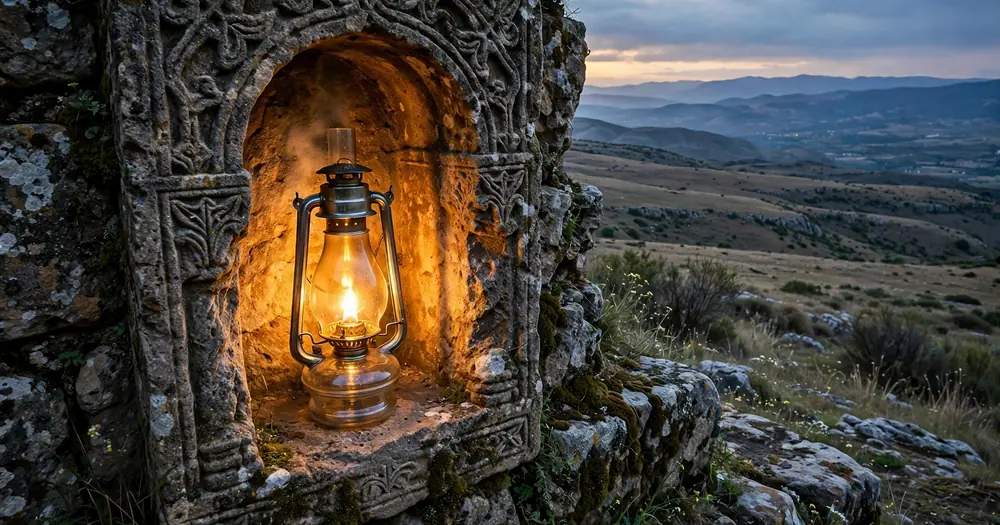
Surah An-Nur is named for one of the Quran's most poetically striking verses, a description of God's light compared to a niche containing a lamp, the lamp within glass, the glass like a radiant star, lit from a blessed olive tree neither of the east nor the west, its oil almost luminous without even being touched by fire. Yet the surah surrounding this verse is primarily concerned with concrete social legislation: guidance on modesty, the serious consequences for slander, rules around entering others' homes, and an extended account of a painful incident in the Prophet's own household that the surah addresses directly. This guide covers the surah's major themes and the historical incident connected to its revelation.
What Is Surah An-Nur?
Surah An-Nur is the 24th surah of the Quran, revealed in Madinah, making it a Madani surah. It contains 64 verses and takes its name from verse 35, often called Ayat an-Nur, the Verse of Light, which describes God's light through an extended, layered metaphor.
The Verse of Light
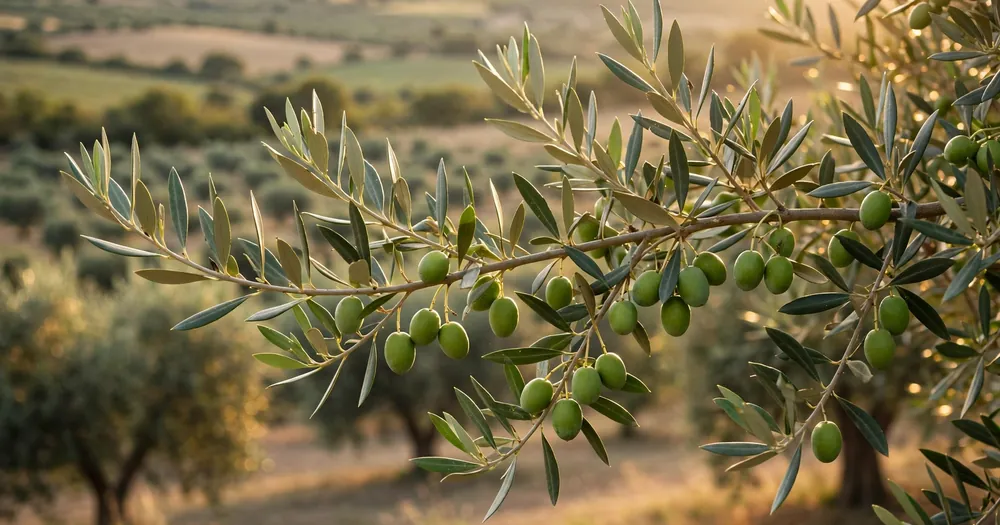
Verse 35 reads, in part: "Allah is the Light of the heavens and the earth. The example of His light is like a niche within which is a lamp, the lamp is within glass, the glass as if it were a pearly star lit from the oil of a blessed olive tree, neither of the east nor of the west, whose oil would almost glow even if untouched by fire. Light upon light."
Scholars have offered various interpretations of this layered imagery, generally understanding it as describing the way divine guidance illuminates the heart of a believer, the niche, lamp, and glass each representing stages through which this light is received and intensified, culminating in a guidance so complete and self-evident that it would nearly manifest on its own even before actively engaging with it. The verse closes by stating that God guides to His light whomever He wills, and presents parables for people so they may understand.
Guidance on Modesty and Lowering the Gaze
The surah addresses modesty directly, instructing believing men to lower their gaze and guard their chastity, and similarly instructing believing women to lower their gaze, guard their chastity, and not display their adornment except what normally appears, drawing their head coverings over their chests.
This guidance is presented as contributing to the purity of the believing community generally, reducing situations that lead toward inappropriate attraction or behavior between unrelated men and women, while the surah balances this modesty guidance with instructions on marriage, encouraging those who are single to marry and describing marriage as something God enriches through His bounty for those in need of it.
The Incident of the Slander (Ifk)
A substantial portion of the surah, verses 11 through 20, directly addresses what is known in Islamic history as the Ifk, the slander incident involving Aisha, the Prophet's wife. According to accounts recorded in hadith, Aisha was inadvertently left behind during a journey when the caravan departed without realizing she had stepped away briefly, and she was later escorted back to Madinah by a companion who found her.
This situation was exploited by certain individuals in Madinah to spread a false accusation against her character, causing significant distress within the Prophet's household and the wider community over an extended period, until these verses were revealed, affirming Aisha's innocence directly and unambiguously.
The surah describes the incident as, despite its painful nature, ultimately good for those involved, and criticizes sharply those who spread the rumor without direct knowledge, asking why believers did not think well of one another and dismiss baseless rumor immediately rather than repeating it. It establishes a serious legal consequence for accusations of this nature made without the required evidence, reflecting the gravity with which the Quran treats damage to a person's reputation through unverified accusation.
The Legal Standard for Accusations of Adultery
Connected to the incident of the slander, the surah establishes a specific legal requirement for anyone making an accusation of adultery: four witnesses must testify to having directly witnessed the act. Failing to produce this number of witnesses results in a specific punishment for the accuser and the rejection of their testimony going forward, unless they repent.
Scholars have explained this extraordinarily high evidentiary standard as intentional, making successful prosecution for this specific accusation exceptionally difficult, which in turn protects individuals from the kind of damaging, unverified accusation the surah has just addressed through the incident involving Aisha, while still maintaining a theoretical legal framework for cases where such overwhelming evidence genuinely exists.
Rules on Entering Homes and Privacy
The surah establishes etiquette around entering others' homes, instructing that permission be sought and greetings exchanged before entering, since this is better and more considerate, and that if no one grants permission to enter, the person should return rather than insisting, since this is purer for all involved.
Similarly detailed guidance is given regarding household members and children asking permission to enter a person's private quarters at specific times of day associated with rest or undress, reflecting the surah's broader concern with protecting personal privacy and preventing uncomfortable or inappropriate situations within domestic life.
Read the Complete Surah in Arabic
Here is the complete Arabic text of Surah An-Nur, all 64 verses in the Uthmani script, each with transliteration, English translation, and Urdu translation, so you can read the entire chapter right here.
1 بِسْمِ ٱللَّهِ ٱلرَّحْمَٰنِ ٱلرَّحِيمِ سُورَةٌ أَنزَلْنَٰهَا وَفَرَضْنَٰهَا وَأَنزَلْنَا فِيهَآ ءَايَٰتٍۭ بَيِّنَٰتٍۢ لَّعَلَّكُمْ تَذَكَّرُونَ
24:1 Sooratun anzalnaahaa wa faradnaahaa wa anzalnaa feehaaa Aayaatim baiyinaatil la'allakum tazakkaroon
[This is] a surah which We have sent down and made [that within it] obligatory and revealed therein verses of clear evidence that you might remember.
یہ ہے وه سورت جو ہم نے نازل فرمائی ہے اور مقرر کردی ہے اور جس میں ہم نے کھلی آیتیں (احکام) اتارے ہیں تاکہ تم یاد رکھو
2 ٱلزَّانِيَةُ وَٱلزَّانِى فَٱجْلِدُوا۟ كُلَّ وَٰحِدٍۢ مِّنْهُمَا مِا۟ئَةَ جَلْدَةٍۢ ۖ وَلَا تَأْخُذْكُم بِهِمَا رَأْفَةٌۭ فِى دِينِ ٱللَّهِ إِن كُنتُمْ تُؤْمِنُونَ بِٱللَّهِ وَٱلْيَوْمِ ٱلْءَاخِرِ ۖ وَلْيَشْهَدْ عَذَابَهُمَا طَآئِفَةٌۭ مِّنَ ٱلْمُؤْمِنِينَ
24:2 Azzaaniyatu wazzaanee fajlidoo kulla waahidim minhumaa mi'ata jaldatinw wa laa taakhuzkum bihimaa raafatun fee deenil laahi in kuntum tu'minoona billaahi wal Yawmil Aakhiri wal yashhad 'azaabahumaa taaa'ifatum minal mu'mineen
The [unmarried] woman or [unmarried] man found guilty of sexual intercourse – lash each one of them with a hundred lashes, and do not be taken by pity for them in the religion of Allah, if you should believe in Allah and the Last Day. And let a group of the believers witness their punishment.
زناکار عورت و مرد میں سے ہر ایک کو سو کوڑے لگاؤ۔ ان پر اللہ کی شریعت کی حد جاری کرتے ہوئے تمہیں ہرگز ترس نہ کھانا چاہیئے، اگر تمہیں اللہ پر اور قیامت کے دن پر ایمان ہو۔ ان کی سزا کے وقت مسلمانوں کی ایک جماعت موجود ہونی چاہیئے
3 ٱلزَّانِى لَا يَنكِحُ إِلَّا زَانِيَةً أَوْ مُشْرِكَةًۭ وَٱلزَّانِيَةُ لَا يَنكِحُهَآ إِلَّا زَانٍ أَوْ مُشْرِكٌۭ ۚ وَحُرِّمَ ذَٰلِكَ عَلَى ٱلْمُؤْمِنِينَ
24:3 Azzaanee laa yankihu illaa zaaniyatan aw mushrikatanw wazzaaniyatu laa yankihuhaaa illaa zaanin aw mushrik; wa hurrima zaalika 'alal mu'mineen
The fornicator does not marry except a [female] fornicator or polytheist, and none marries her except a fornicator or a polytheist, and that has been made unlawful to the believers.
زانی مرد بجز زانیہ یا مشرکہ عورت کے اور سے نکاح نہیں کرتا اور زناکار عورت بھی بجز زانی یا مشرک مرد کے اور سے نکاح نہیں کرتی اور ایمان والوں پر یہ حرام کردیا گیا
4 وَٱلَّذِينَ يَرْمُونَ ٱلْمُحْصَنَٰتِ ثُمَّ لَمْ يَأْتُوا۟ بِأَرْبَعَةِ شُهَدَآءَ فَٱجْلِدُوهُمْ ثَمَٰنِينَ جَلْدَةًۭ وَلَا تَقْبَلُوا۟ لَهُمْ شَهَٰدَةً أَبَدًۭا ۚ وَأُو۟لَٰٓئِكَ هُمُ ٱلْفَٰسِقُونَ
24:4 Wallazeena yarmoonal muhsanaati summa lam yaatoo bi-arba'ati shuhadaaa'a fajlidoohum samaaneena jaldatanw wa laa taqbaloo lahum shahaadatan abadaa; wa ulaaa'ika humul faasiqoon
And those who accuse chaste women and then do not produce four witnesses – lash them with eighty lashes and do not accept from them testimony ever after. And those are the defiantly disobedient,
جو لوگ پاک دامن عورتوں پر زنا کی تہمت لگائیں پھر چار گواه نہ پیش کرسکیں تو انہیں اسی کوڑے لگاؤ اور کبھی بھی ان کی گواہی قبول نہ کرو۔ یہ فاسق لوگ ہیں
5 إِلَّا ٱلَّذِينَ تَابُوا۟ مِنۢ بَعْدِ ذَٰلِكَ وَأَصْلَحُوا۟ فَإِنَّ ٱللَّهَ غَفُورٌۭ رَّحِيمٌۭ
24:5 Illal lazeena taaboo mim ba'di zaalika wa aslahoo fa innal laaha Ghafoorur Raheem
Except for those who repent thereafter and reform, for indeed, Allah is Forgiving and Merciful.
ہاں جو لوگ اس کے بعد توبہ اور اصلاح کرلیں تو اللہ تعالیٰ بخشنے واﻻ اور مہربانی کرنے واﻻ ہے
6 وَٱلَّذِينَ يَرْمُونَ أَزْوَٰجَهُمْ وَلَمْ يَكُن لَّهُمْ شُهَدَآءُ إِلَّآ أَنفُسُهُمْ فَشَهَٰدَةُ أَحَدِهِمْ أَرْبَعُ شَهَٰدَٰتٍۭ بِٱللَّهِ ۙ إِنَّهُۥ لَمِنَ ٱلصَّٰدِقِينَ
24:6 Wallazeena yarmoona azwaajahum wa lam yakul lahum shuhadaaa'u illaaa anfusuhum fashahaadatu ahadihim arb'u shahaadaatim billaahi innahoo laminas saadiqeen
And those who accuse their wives [of adultery] and have no witnesses except themselves – then the witness of one of them [shall be] four testimonies [swearing] by Allah that indeed, he is of the truthful.
جو لوگ اپنی بیویوں پر بدکاری کی تہمت لائیں اور ان کا کوئی گواه بجز خود ان کی ذات کے نہ ہو تو ایسے لوگوں میں سے ہر ایک کا ﺛبوت یہ ہے کہ چار مرتبہ اللہ کی قسم کھا کر کہیں کہ وه سچوں میں سے ہیں
7 وَٱلْخَٰمِسَةُ أَنَّ لَعْنَتَ ٱللَّهِ عَلَيْهِ إِن كَانَ مِنَ ٱلْكَٰذِبِينَ
24:7 Wal khaamisatu anna la'natal laahi 'alaihi in kaana minal kaazibeen
And the fifth [oath will be] that the curse of Allah be upon him if he should be among the liars.
اور پانچویں مرتبہ کہے کہ اس پر اللہ تعالیٰ کی لعنت ہو اگر وه جھوٹوں میں سے ہو
8 وَيَدْرَؤُا۟ عَنْهَا ٱلْعَذَابَ أَن تَشْهَدَ أَرْبَعَ شَهَٰدَٰتٍۭ بِٱللَّهِ ۙ إِنَّهُۥ لَمِنَ ٱلْكَٰذِبِينَ
24:8 Wa yadra'u anhal 'azaaba an tashhada arba'a shahaa daatim billaahi innahoo laminal kaazibeen
But it will prevent punishment from her if she gives four testimonies [swearing] by Allah that indeed, he is of the liars.
اور اس عورت سے سزا اس طرح دور ہوسکتی ہے کہ وه چار مرتبہ اللہ کی قسم کھا کر کہے کہ یقیناً اس کا مرد جھوٹ بولنے والوں میں سے ہے
9 وَٱلْخَٰمِسَةَ أَنَّ غَضَبَ ٱللَّهِ عَلَيْهَآ إِن كَانَ مِنَ ٱلصَّٰدِقِينَ
24:9 Wal khaamisata anna ghadabal laahi 'alaihaaa in kaana minas saadiqeen
And the fifth [oath will be] that the wrath of Allah be upon her if he was of the truthful.
اور پانچویں دفعہ کہے کہ اس پر اللہ تعالیٰ کا غضب ہو اگر اس کا خاوند سچوں میں سے ہو
10 وَلَوْلَا فَضْلُ ٱللَّهِ عَلَيْكُمْ وَرَحْمَتُهُۥ وَأَنَّ ٱللَّهَ تَوَّابٌ حَكِيمٌ
24:10 Wa law laa fadlul laahi 'alaikum wa rahmatuhoo wa annal laaha Tawwaabun Hakeem
And if not for the favor of Allah upon you and His mercy… and because Allah is Accepting of repentance and Wise.
اگر اللہ تعالیٰ کا فضل وکرم تم پر نہ ہوتا (تو تم پر مشقت اترتی) اور اللہ تعالیٰ توبہ قبول کرنے واﻻ باحکمت ہے
11 إِنَّ ٱلَّذِينَ جَآءُو بِٱلْإِفْكِ عُصْبَةٌۭ مِّنكُمْ ۚ لَا تَحْسَبُوهُ شَرًّۭا لَّكُم ۖ بَلْ هُوَ خَيْرٌۭ لَّكُمْ ۚ لِكُلِّ ٱمْرِئٍۢ مِّنْهُم مَّا ٱكْتَسَبَ مِنَ ٱلْإِثْمِ ۚ وَٱلَّذِى تَوَلَّىٰ كِبْرَهُۥ مِنْهُمْ لَهُۥ عَذَابٌ عَظِيمٌۭ
24:11 Innal lazeena jaaa'oo bilifki 'usbatum minkum; laa tahsaboohu sharral lakum bal huwa khairul lakum; likul limri'im minhum mak tasaba minal-ism; wallazee tawallaa kibrahoo minhum lahoo 'azaabun 'azeem
Indeed, those who came with falsehood are a group among you. Do not think it bad for you; rather it is good for you. For every person among them is what [punishment] he has earned from the sin, and he who took upon himself the greater portion thereof – for him is a great punishment.
جو لوگ یہ بہت بڑا بہتان باندھ ﻻئے ہیں یہ بھی تم میں سے ہی ایک گروه ہے۔ تم اسے اپنے لئے برا نہ سمجھو، بلکہ یہ تو تمہارے حق میں بہتر ہے۔ ہاں ان میں سے ہر ایک شخص پر اتنا گناه ہے جتنا اس نے کمایا ہے اور ان میں سے جس نے اس کے بہت بڑے حصے کو سرانجام دیا ہے اس کے لئے عذاب بھی بہت ہی بڑا ہے
12 لَّوْلَآ إِذْ سَمِعْتُمُوهُ ظَنَّ ٱلْمُؤْمِنُونَ وَٱلْمُؤْمِنَٰتُ بِأَنفُسِهِمْ خَيْرًۭا وَقَالُوا۟ هَٰذَآ إِفْكٌۭ مُّبِينٌۭ
24:12 Law laaa iz sami'tumoohu zannal mu'minoona walmu'minaatu bi anfusihim khairanw wa qaaloo haazaaa ifkum mmubeen
Why, when you heard it, did not the believing men and believing women think good of one another and say, "This is an obvious falsehood"?
اسے سنتے ہی مومن مردوں عورتوں نے اپنے حق میں نیک گمانی کیوں نہ کی اور کیوں نہ کہہ دیا کہ یہ تو کھلم کھلا صریح بہتان ہے
13 لَّوْلَا جَآءُو عَلَيْهِ بِأَرْبَعَةِ شُهَدَآءَ ۚ فَإِذْ لَمْ يَأْتُوا۟ بِٱلشُّهَدَآءِ فَأُو۟لَٰٓئِكَ عِندَ ٱللَّهِ هُمُ ٱلْكَٰذِبُونَ
24:13 Law laa jaaa'oo 'alaihi bi-arba'ati shuhadaaa'; fa iz lam yaatoo bishshuhadaaa'i fa ulaaa 'ika 'indal laahi humul kaaziboon
Why did they [who slandered] not produce for it four witnesses? And when they do not produce the witnesses, then it is they, in the sight of Allah, who are the liars.
وه اس پر چار گواه کیوں نہ ﻻئے؟ اور جب گواه نہیں ﻻئے تو یہ بہتان باز لوگ یقیناً اللہ کے نزدیک محض جھوٹے ہیں
14 وَلَوْلَا فَضْلُ ٱللَّهِ عَلَيْكُمْ وَرَحْمَتُهُۥ فِى ٱلدُّنْيَا وَٱلْءَاخِرَةِ لَمَسَّكُمْ فِى مَآ أَفَضْتُمْ فِيهِ عَذَابٌ عَظِيمٌ
24:14 Wa law laa fadlul laahi 'alaikum wa rahmatuhoo fiddunyaa wal aakhirati lamassakum fee maaa afadtum feehi 'azaabun 'azeem
And if it had not been for the favor of Allah upon you and His mercy in this world and the Hereafter, you would have been touched for that [lie] in which you were involved by a great punishment
اگر اللہ تعالیٰ کا فضل وکرم تم پر دنیا اور آخرت میں نہ ہوتا تو یقیناً تم نے جس بات کے چرچے شروع کر رکھے تھے اس بارے میں تمہیں بہت بڑا عذاب پہنچتا
15 إِذْ تَلَقَّوْنَهُۥ بِأَلْسِنَتِكُمْ وَتَقُولُونَ بِأَفْوَاهِكُم مَّا لَيْسَ لَكُم بِهِۦ عِلْمٌۭ وَتَحْسَبُونَهُۥ هَيِّنًۭا وَهُوَ عِندَ ٱللَّهِ عَظِيمٌۭ
24:15 iz talaqqawnahoo bi alsinatikum wa taqooloona bi afwaahikum maa laisa lakum bihee 'ilmunw wa tahsaboo nahoo haiyinanw wa huwa 'indl laahi 'azeem
When you received it with your tongues and said with your mouths that of which you had no knowledge and thought it was insignificant while it was, in the sight of Allah, tremendous.
جب کہ تم اسے اپنی زبانوں سے نقل در نقل کرنے لگے اور اپنے منھ سے وه بات نکالنے لگے جس کی تمہیں مطلق خبر نہ تھی، گو تم اسے ہلکی بات سمجھتے رہے لیکن اللہ تعالیٰ کے نزدیک وه بہت بڑی بات تھی
16 وَلَوْلَآ إِذْ سَمِعْتُمُوهُ قُلْتُم مَّا يَكُونُ لَنَآ أَن نَّتَكَلَّمَ بِهَٰذَا سُبْحَٰنَكَ هَٰذَا بُهْتَٰنٌ عَظِيمٌۭ
24:16 Wa law laaa iz sami'tu moohu qultum maa yakoonu lanaaa an natakallama bihaazaa Subhaanaka haaza buhtaanun 'azeem
And why, when you heard it, did you not say, "It is not for us to speak of this. Exalted are You, [O Allah]; this is a great slander"?
تم نے ایسی بات کو سنتے ہی کیوں نہ کہہ دیا کہ ہمیں ایسی بات منھ سے نکالنی بھی ﻻئق نہیں۔ یا اللہ! تو پاک ہے، یہ تو بہت بڑا بہتان ہے اور تہمت ہے
17 يَعِظُكُمُ ٱللَّهُ أَن تَعُودُوا۟ لِمِثْلِهِۦٓ أَبَدًا إِن كُنتُم مُّؤْمِنِينَ
24:17 Ya'izukumul laahu an ta'oodoo limisliheee abadan in kuntum mu'mineen
Allah warns you against returning to the likes of this [conduct], ever, if you should be believers.
اللہ تعالیٰ تمہیں نصیحت کرتا ہے کہ پھر کبھی بھی ایسا کام نہ کرنا اگر تم سچے مومن ہو
18 وَيُبَيِّنُ ٱللَّهُ لَكُمُ ٱلْءَايَٰتِ ۚ وَٱللَّهُ عَلِيمٌ حَكِيمٌ
24:18 Wa yubaiyinul laahu lakumul Aayaat; wallaahu 'Aleemun Hakeem
And Allah makes clear to you the verses, and Allah is Knowing and Wise.
اللہ تعالیٰ تمہارے سامنے اپنی آیتیں بیان فرما رہا ہے، اور اللہ تعالیٰ علم و حکمت واﻻ ہے
19 إِنَّ ٱلَّذِينَ يُحِبُّونَ أَن تَشِيعَ ٱلْفَٰحِشَةُ فِى ٱلَّذِينَ ءَامَنُوا۟ لَهُمْ عَذَابٌ أَلِيمٌۭ فِى ٱلدُّنْيَا وَٱلْءَاخِرَةِ ۚ وَٱللَّهُ يَعْلَمُ وَأَنتُمْ لَا تَعْلَمُونَ
24:19 Innal lazeena yuhibboona an tashee'al faahishatu fil lazeena aamanoo lahum 'azaabun aleemun fid dunyaa wal Aakhirah; wallaahu ya'lamu wa antum laa ta'lamoon
Indeed, those who like that immorality should be spread [or publicized] among those who have believed will have a painful punishment in this world and the Hereafter. And Allah knows and you do not know.
جو لوگ مسلمانوں میں بےحیائی پھیلانے کے آرزومند رہتے ہیں ان کے لئے دنیا اور آخرت میں دردناک عذاب ہیں، اللہ سب کچھ جانتا ہے اور تم کچھ بھی نہیں جانتے
20 وَلَوْلَا فَضْلُ ٱللَّهِ عَلَيْكُمْ وَرَحْمَتُهُۥ وَأَنَّ ٱللَّهَ رَءُوفٌۭ رَّحِيمٌۭ
24:20 Wa law laa fadlul laahi 'alaikum wa rahmatuhoo wa annal laaha Ra'oofur Raheem
And if it had not been for the favor of Allah upon you and His mercy… and because Allah is Kind and Merciful.
اگر تم پر اللہ کا فضل اور اس کی رحمت نہ ہوتی اور یہ بھی کہ اللہ تعالیٰ بڑی شفقت رکھنے واﻻ مہربان ہے۔ (تو تم پر عذاب اتر جاتا)
21 ۞ يَٰٓأَيُّهَا ٱلَّذِينَ ءَامَنُوا۟ لَا تَتَّبِعُوا۟ خُطُوَٰتِ ٱلشَّيْطَٰنِ ۚ وَمَن يَتَّبِعْ خُطُوَٰتِ ٱلشَّيْطَٰنِ فَإِنَّهُۥ يَأْمُرُ بِٱلْفَحْشَآءِ وَٱلْمُنكَرِ ۚ وَلَوْلَا فَضْلُ ٱللَّهِ عَلَيْكُمْ وَرَحْمَتُهُۥ مَا زَكَىٰ مِنكُم مِّنْ أَحَدٍ أَبَدًۭا وَلَٰكِنَّ ٱللَّهَ يُزَكِّى مَن يَشَآءُ ۗ وَٱللَّهُ سَمِيعٌ عَلِيمٌۭ
24:21 Yaaa aiyuhal lazeena aamanoo laa tattabi'oo khutuwaatish Shaitaan; wa many-yattabi' khutuwaatish Shaitaani fa innahoo yaamuru bilfahshaaa'i walmunkar; wa law laa fadlul laahi 'alaikum wa rahmatuhoo maa zakaa minkum min ahadin abadanw wa laakinnal laaha yuzakkee many-yashaaa'; wallaahu Samee'un 'Aleem
O you who have believed, do not follow the footsteps of Satan. And whoever follows the footsteps of Satan – indeed, he enjoins immorality and wrongdoing. And if not for the favor of Allah upon you and His mercy, not one of you would have been pure, ever, but Allah purifies whom He wills, and Allah is Hearing and Knowing.
ایمان والو! شیطان کے قدم بقدم نہ چلو۔ جو شخص شیطانی قدموں کی پیروی کرے تو وه تو بےحیائی اور برے کاموں کا ہی حکم کرے گا۔ اور اگر اللہ تعالیٰ کا فضل وکرم تم پر نہ ہوتا تو تم میں سے کوئی کبھی بھی پاک صاف نہ ہوتا۔ لیکن اللہ تعالی جسے پاک کرنا چاہے، کر دیتا ہے۔ اور اللہ سب سننے واﻻ سب جاننے واﻻ ہے
22 وَلَا يَأْتَلِ أُو۟لُوا۟ ٱلْفَضْلِ مِنكُمْ وَٱلسَّعَةِ أَن يُؤْتُوٓا۟ أُو۟لِى ٱلْقُرْبَىٰ وَٱلْمَسَٰكِينَ وَٱلْمُهَٰجِرِينَ فِى سَبِيلِ ٱللَّهِ ۖ وَلْيَعْفُوا۟ وَلْيَصْفَحُوٓا۟ ۗ أَلَا تُحِبُّونَ أَن يَغْفِرَ ٱللَّهُ لَكُمْ ۗ وَٱللَّهُ غَفُورٌۭ رَّحِيمٌ
24:22 Wa laa yaatali ulul fadli minkum wassa'ati ai yu'tooo ulil qurbaa walmasaakeena walmuhaajireena fee sabeelillaahi walya'foo walyasfahoo; alaa tuhibboona ai yaghfiral laahu lakum; wal laahu Ghafoorur Raheem
And let not those of virtue among you and wealth swear not to give [aid] to their relatives and the needy and the emigrants for the cause of Allah, and let them pardon and overlook. Would you not like that Allah should forgive you? And Allah is Forgiving and Merciful.
تم میں سے جو بزرگی اور کشادگی والے ہیں انہیں اپنے قرابت داروں اور مسکینوں اور مہاجروں کو فی سبیل اللہ دینے سے قسم نہ کھا لینی چاہیئے، بلکہ معاف کردینا اور درگزر کرلینا چاہیئے۔ کیا تم نہیں چاہتے کہ اللہ تعالیٰ تمہارے قصور معاف فرما دے؟ اللہ قصوروں کو معاف فرمانے واﻻ مہربان ہے
23 إِنَّ ٱلَّذِينَ يَرْمُونَ ٱلْمُحْصَنَٰتِ ٱلْغَٰفِلَٰتِ ٱلْمُؤْمِنَٰتِ لُعِنُوا۟ فِى ٱلدُّنْيَا وَٱلْءَاخِرَةِ وَلَهُمْ عَذَابٌ عَظِيمٌۭ
24:23 Innal lazeena yarmoonal muhsanaatil ghaafilaatil mu'minaati lu'inoo fid dunyaa wal Aakhirati wa lahum 'azaabun 'azeem
Indeed, those who [falsely] accuse chaste, unaware and believing women are cursed in this world and the Hereafter; and they will have a great punishment
جو لوگ پاک دامن بھولی بھالی باایمان عورتوں پر تہمت لگاتے ہیں وه دنیا وآخرت میں ملعون ہیں اور ان کے لئے بڑا بھاری عذاب ہے
24 يَوْمَ تَشْهَدُ عَلَيْهِمْ أَلْسِنَتُهُمْ وَأَيْدِيهِمْ وَأَرْجُلُهُم بِمَا كَانُوا۟ يَعْمَلُونَ
24:24 Yawma tashhhadu 'alaihim alsinatuhum wa aideehim wa arjuluhum bimaa kaanoo ya'maloon
On a Day when their tongues, their hands and their feet will bear witness against them as to what they used to do.
جب کہ ان کے مقابلے میں ان کی زبانیں اور ان کے ہاتھ پاؤں ان کے اعمال کی گواہی دیں گے
25 يَوْمَئِذٍۢ يُوَفِّيهِمُ ٱللَّهُ دِينَهُمُ ٱلْحَقَّ وَيَعْلَمُونَ أَنَّ ٱللَّهَ هُوَ ٱلْحَقُّ ٱلْمُبِينُ
24:25 Yawma'iziny yuwaf feehimul laahu deenahumul haqqa wa ya'lamoona annal laaha Huwal Haqqul Mubeen
That Day, Allah will pay them in full their deserved recompense, and they will know that it is Allah who is the perfect in justice.
اس دن اللہ تعالیٰ انہیں پورا پورا بدلہ حق و انصاف کے ساتھ دے گا اور وه جان لیں گے کہ اللہ تعالیٰ ہی حق ہے (اور وہی) ﻇاہر کرنے واﻻ ہے
26 ٱلْخَبِيثَٰتُ لِلْخَبِيثِينَ وَٱلْخَبِيثُونَ لِلْخَبِيثَٰتِ ۖ وَٱلطَّيِّبَٰتُ لِلطَّيِّبِينَ وَٱلطَّيِّبُونَ لِلطَّيِّبَٰتِ ۚ أُو۟لَٰٓئِكَ مُبَرَّءُونَ مِمَّا يَقُولُونَ ۖ لَهُم مَّغْفِرَةٌۭ وَرِزْقٌۭ كَرِيمٌۭ
24:26 Alkhabeesaatu lilkha beeseena walkhabeesoona lilkhabeesaati wattaiyibaatu littaiyibeena wattaiyiboona littaiyibaat; ulaaa'ika mubar ra'oona maimma yaqooloona lahum maghfiratunw wa rizqun kareem
Evil words are for evil men, and evil men are [subjected] to evil words. And good words are for good men, and good men are [an object] of good words. Those [good people] are declared innocent of what the slanderers say. For them is forgiveness and noble provision.
خبیﺚ عورتیں خبیﺚ مردوں کے ﻻئق ہیں اور خبیﺚ مرد خبیﺚ عورتوں کے ﻻئق ہیں اور پاک عورتیں پاک مردوں کے ﻻئق ہیں اور پاک مرد پاک عورتوں کے ﻻئق ہیں۔ ایسے پاک لوگوں کے متعلق جو کچھ بکواس (بہتان باز) کر رہے ہیں وه ان سے بالکل بری ہیں، ان کے لئے بخشش ہے اور عزت والی روزی
27 يَٰٓأَيُّهَا ٱلَّذِينَ ءَامَنُوا۟ لَا تَدْخُلُوا۟ بُيُوتًا غَيْرَ بُيُوتِكُمْ حَتَّىٰ تَسْتَأْنِسُوا۟ وَتُسَلِّمُوا۟ عَلَىٰٓ أَهْلِهَا ۚ ذَٰلِكُمْ خَيْرٌۭ لَّكُمْ لَعَلَّكُمْ تَذَكَّرُونَ
24:27 Yaaa aiyuhal lazeena aamanoo laa tadkhuloo buyootan ghaira buyootikum hatta tastaanisoo wa tusallimoo 'allaa ahlihaa; zaalikum khairul lakum la'allakum tazakkaroon
O you who have believed, do not enter houses other than your own houses until you ascertain welcome and greet their inhabitants. That is best for you; perhaps you will be reminded.
اے ایمان والو! اپنے گھروں کے سوا اور گھروں میں نہ جاؤ جب تک کہ اجازت نہ لے لو اور وہاں کے رہنے والوں کو سلام نہ کرلو، یہی تمہارے لئے سراسر بہتر ہے تاکہ تم نصیحت حاصل کرو
28 فَإِن لَّمْ تَجِدُوا۟ فِيهَآ أَحَدًۭا فَلَا تَدْخُلُوهَا حَتَّىٰ يُؤْذَنَ لَكُمْ ۖ وَإِن قِيلَ لَكُمُ ٱرْجِعُوا۟ فَٱرْجِعُوا۟ ۖ هُوَ أَزْكَىٰ لَكُمْ ۚ وَٱللَّهُ بِمَا تَعْمَلُونَ عَلِيمٌۭ
24:28 Fa il lam tajidoo feehaaa ahadan falaa tadkhuloohaa hattaa yu'zana lakum wa in qeela lakumurji'oo farji'oo huwa azkaa lakum; wallaahu bimaa ta'maloona 'Aleem
And if you do not find anyone therein, do not enter them until permission has been given you. And if it is said to you, "Go back," then go back; it is purer for you. And Allah is Knowing of what you do.
اگر وہاں تمہیں کوئی بھی نہ مل سکے تو پھر اجازت ملے بغیر اندر نہ جاؤ۔ اگر تم سے لوٹ جانے کو کہا جائے تو تم لوٹ ہی جاؤ، یہی بات تمہارے لئے پاکیزه ہے، جو کچھ تم کر رہے ہو اللہ تعالیٰ خوب جانتا ہے
29 لَّيْسَ عَلَيْكُمْ جُنَاحٌ أَن تَدْخُلُوا۟ بُيُوتًا غَيْرَ مَسْكُونَةٍۢ فِيهَا مَتَٰعٌۭ لَّكُمْ ۚ وَٱللَّهُ يَعْلَمُ مَا تُبْدُونَ وَمَا تَكْتُمُونَ
24:29 Laisa 'alaikum junaahun ann tadkhuloo buyootan ghaira maskoonatin feeha mataa'ul lakum; wallaahu ya'lamu maa tubdoona wa maa taktumoon
There is no blame upon you for entering houses not inhabited in which there is convenience for you. And Allah knows what you reveal and what you conceal.
ہاں غیر آباد گھروں میں جہاں تمہارا کوئی فائده یا اسباب ہو، جانے میں تم پر کوئی گناه نہیں۔ تم جو کچھ بھی ﻇاہر کرتے ہو اور جو چھپاتے ہو اللہ تعالیٰ سب کچھ جانتا ہے
30 قُل لِّلْمُؤْمِنِينَ يَغُضُّوا۟ مِنْ أَبْصَٰرِهِمْ وَيَحْفَظُوا۟ فُرُوجَهُمْ ۚ ذَٰلِكَ أَزْكَىٰ لَهُمْ ۗ إِنَّ ٱللَّهَ خَبِيرٌۢ بِمَا يَصْنَعُونَ
24:30 Qul lilmu' mineena yaghuuddoo min absaarihim wa yahfazoo furoojahum; zaalika azkaa lahum; innallaaha khabeerum bimaa yasna'oon
Tell the believing men to reduce [some] of their vision and guard their private parts. That is purer for them. Indeed, Allah is Acquainted with what they do.
مسلمان مردوں سے کہو کہ اپنی نگاہیں نیچی رکھیں، اور اپنی شرمگاہوں کی حفاﻇت رکھیں۔ یہی ان کے لئے پاکیزگی ہے، لوگ جو کچھ کریں اللہ تعالیٰ سب سے خبردار ہے
31 وَقُل لِّلْمُؤْمِنَٰتِ يَغْضُضْنَ مِنْ أَبْصَٰرِهِنَّ وَيَحْفَظْنَ فُرُوجَهُنَّ وَلَا يُبْدِينَ زِينَتَهُنَّ إِلَّا مَا ظَهَرَ مِنْهَا ۖ وَلْيَضْرِبْنَ بِخُمُرِهِنَّ عَلَىٰ جُيُوبِهِنَّ ۖ وَلَا يُبْدِينَ زِينَتَهُنَّ إِلَّا لِبُعُولَتِهِنَّ أَوْ ءَابَآئِهِنَّ أَوْ ءَابَآءِ بُعُولَتِهِنَّ أَوْ أَبْنَآئِهِنَّ أَوْ أَبْنَآءِ بُعُولَتِهِنَّ أَوْ إِخْوَٰنِهِنَّ أَوْ بَنِىٓ إِخْوَٰنِهِنَّ أَوْ بَنِىٓ أَخَوَٰتِهِنَّ أَوْ نِسَآئِهِنَّ أَوْ مَا مَلَكَتْ أَيْمَٰنُهُنَّ أَوِ ٱلتَّٰبِعِينَ غَيْرِ أُو۟لِى ٱلْإِرْبَةِ مِنَ ٱلرِّجَالِ أَوِ ٱلطِّفْلِ ٱلَّذِينَ لَمْ يَظْهَرُوا۟ عَلَىٰ عَوْرَٰتِ ٱلنِّسَآءِ ۖ وَلَا يَضْرِبْنَ بِأَرْجُلِهِنَّ لِيُعْلَمَ مَا يُخْفِينَ مِن زِينَتِهِنَّ ۚ وَتُوبُوٓا۟ إِلَى ٱللَّهِ جَمِيعًا أَيُّهَ ٱلْمُؤْمِنُونَ لَعَلَّكُمْ تُفْلِحُونَ
24:31 Wa qul lilmu'minaati yaghdudna min absaarihinna wa yahfazna furoojahunna wa laa yubdeena zeenatahunna illaa maa zahara minhaa walyadribna bikhumurihinna 'alaa juyoobihinna wa laa yubdeena zeenatahunna illaa libu'oolatihinna aw aabaaa'i hinna aw aabaaa'i bu'oolati hinna aw abnaaa'ihinaa aw abnaaa'i bu'oolatihinnna aw ikhwaanihinnna aw baneee ikhwaanihinna aw banee akhawaatihinna aw nisaaa'i hinna aw maa malakat aimaanuhunna awit taabi'eena ghairi ilil irbati minar rijaali awit tiflillazeena lam yazharoo 'alaa 'awraatin nisaaa'i wala yadribnna bi arjulihinna min zeenatihinn; wa toobooo ilallaahi jammee'an aiyuhal mu'minoona la'allakum tuflihoon
And tell the believing women to reduce [some] of their vision and guard their private parts and not expose their adornment except that which [necessarily] appears thereof and to wrap [a portion of] their headcovers over their chests and not expose their adornment except to their husbands, their fathers, their husbands' fathers, their sons, their husbands' sons, their brothers, their brothers' sons, their sisters' sons, their women, that which their right hands possess, or those male attendants having no physical desire, or children who are not yet aware of the private aspects of women. And let them not stamp their feet to make known what they conceal of their adornment. And turn to Allah in repentance, all of you, O believers, that you might succeed.
مسلمان عورتوں سے کہو کہ وه بھی اپنی نگاہیں نیچی رکھیں اور اپنی عصمت میں فرق نہ آنے دیں اور اپنی زینت کو ﻇاہر نہ کریں، سوائے اس کے جو ﻇاہر ہے اور اپنے گریبانوں پر اپنی اوڑھنیاں ڈالے رہیں، اور اپنی آرائش کو کسی کے سامنے ﻇاہر نہ کریں، سوائے اپنے خاوندوں کے یا اپنے والد کے یا اپنے خسر کے یا اپنے لڑکوں کے یا اپنے خاوند کے لڑکوں کے یا اپنے بھائیوں کے یا اپنے بھتیجوں کے یا اپنے بھانجوں کے یا اپنے میل جول کی عورتوں کے یا غلاموں کے یا ایسے نوکر چاکر مردوں کے جو شہوت والے نہ ہوں یا ایسے بچوں کے جو عورتوں کے پردے کی باتوں سے مطلع نہیں۔ اور اس طرح زور زور سے پاؤں مار کر نہ چلیں کہ ان کی پوشیده زینت معلوم ہوجائے، اے مسلمانو! تم سب کے سب اللہ کی جناب میں توبہ کرو تاکہ تم نجات پاؤ
32 وَأَنكِحُوا۟ ٱلْأَيَٰمَىٰ مِنكُمْ وَٱلصَّٰلِحِينَ مِنْ عِبَادِكُمْ وَإِمَآئِكُمْ ۚ إِن يَكُونُوا۟ فُقَرَآءَ يُغْنِهِمُ ٱللَّهُ مِن فَضْلِهِۦ ۗ وَٱللَّهُ وَٰسِعٌ عَلِيمٌۭ
24:32 Wa ankihul ayaamaa minkum was saaliheena min 'ibaadikum wa imaa'kum; iny-yakoonoo fuqaraaa'a yughni himul laahu min fadlih; wal laahu Waasi'un 'Aleem
And marry the unmarried among you and the righteous among your male slaves and female slaves. If they should be poor, Allah will enrich them from His bounty, and Allah is all-Encompassing and Knowing.
تم میں سے جو مرد عورت بےنکاح کے ہوں ان کا نکاح کر دو اور اپنے نیک بخت غلام اور لونڈیوں کا بھی۔ اگر وه مفلس بھی ہوں گے تو اللہ تعالیٰ انہیں اپنے فضل سے غنی بنا دے گا۔ اللہ تعالیٰ کشادگی واﻻ اور علم واﻻ ہے
33 وَلْيَسْتَعْفِفِ ٱلَّذِينَ لَا يَجِدُونَ نِكَاحًا حَتَّىٰ يُغْنِيَهُمُ ٱللَّهُ مِن فَضْلِهِۦ ۗ وَٱلَّذِينَ يَبْتَغُونَ ٱلْكِتَٰبَ مِمَّا مَلَكَتْ أَيْمَٰنُكُمْ فَكَاتِبُوهُمْ إِنْ عَلِمْتُمْ فِيهِمْ خَيْرًۭا ۖ وَءَاتُوهُم مِّن مَّالِ ٱللَّهِ ٱلَّذِىٓ ءَاتَىٰكُمْ ۚ وَلَا تُكْرِهُوا۟ فَتَيَٰتِكُمْ عَلَى ٱلْبِغَآءِ إِنْ أَرَدْنَ تَحَصُّنًۭا لِّتَبْتَغُوا۟ عَرَضَ ٱلْحَيَوٰةِ ٱلدُّنْيَا ۚ وَمَن يُكْرِههُّنَّ فَإِنَّ ٱللَّهَ مِنۢ بَعْدِ إِكْرَٰهِهِنَّ غَفُورٌۭ رَّحِيمٌۭ
24:33 Wal yasta'fifil lazeena laa yajidoona nikaahan hata yughniyahumul laahu mi fadlih; wallazeena yabtaghoonal kitaaba mimmaa malakat aimaanukum fakaatiboohum in 'alimtum feehim khairanw wa aatoohum mimmaalil laahil lazeee aataakum; wa laa tukrihoo fatayaatikum 'alal bighaaa'i in aradna tahassunal litabtaghoo 'aradal hayaatid dunyaa; wa mai yukrihhunna fa innal laaha mim ba'di ikraahihinna Ghafoor Raheem
But let them who find not [the means for] marriage abstain [from sexual relations] until Allah enriches them from His bounty. And those who seek a contract [for eventual emancipation] from among whom your right hands possess – then make a contract with them if you know there is within them goodness and give them from the wealth of Allah which He has given you. And do not compel your slave girls to prostitution, if they desire chastity, to seek [thereby] the temporary interests of worldly life. And if someone should compel them, then indeed, Allah is [to them], after their compulsion, Forgiving and Merciful.
اور ان لوگوں کو پاک دامن رہنا چاہیئے جو اپنا نکاح کرنے کا مقدور نہیں رکھتے یہاں تک کہ اللہ تعالیٰ انہیں اپنے فضل سے مالدار بنا دے، تمہارے غلاموں میں جو کوئی کچھ تمہیں دے کر آزادی کی تحریر کرانی چاہے تو تم ایسی تحریر انہیں کردیا کرو اگر تم کو ان میں کوئی بھلائی نظر آتی ہو۔ اور اللہ نے جو مال تمہیں دے رکھا ہے اس میں سے انہیں بھی دو، تمہاری جو لونڈیاں پاک دامن رہنا چاہتی ہیں انہیں دنیا کی زندگی کے فائدے کی غرض سے بدکاری پر مجبور نہ کرو اور جو انہیں مجبور کردے تو اللہ تعالیٰ ان پر جبر کے بعد بخشش دینے واﻻ اور مہربانی کرنے واﻻ ہے
34 وَلَقَدْ أَنزَلْنَآ إِلَيْكُمْ ءَايَٰتٍۢ مُّبَيِّنَٰتٍۢ وَمَثَلًۭا مِّنَ ٱلَّذِينَ خَلَوْا۟ مِن قَبْلِكُمْ وَمَوْعِظَةًۭ لِّلْمُتَّقِينَ
24:34 Wa laqad anzalnaaa ilaikum Aayaatim mubaiyinaatinw wa masalam minnal lazeena khalaw min qablikum wa maw'izatal lilmuttaqeen
And We have certainly sent down to you distinct verses and examples from those who passed on before you and an admonition for those who fear Allah.
ہم نے تمہاری طرف کھلی اور روشن آیتیں اتار دی ہیں اور ان لوگوں کی کہاوتیں جو تم سے پہلے گزرچکے ہیں اور پرہیزگاروں کے لئے نصیحت
35 ۞ ٱللَّهُ نُورُ ٱلسَّمَٰوَٰتِ وَٱلْأَرْضِ ۚ مَثَلُ نُورِهِۦ كَمِشْكَوٰةٍۢ فِيهَا مِصْبَاحٌ ۖ ٱلْمِصْبَاحُ فِى زُجَاجَةٍ ۖ ٱلزُّجَاجَةُ كَأَنَّهَا كَوْكَبٌۭ دُرِّىٌّۭ يُوقَدُ مِن شَجَرَةٍۢ مُّبَٰرَكَةٍۢ زَيْتُونَةٍۢ لَّا شَرْقِيَّةٍۢ وَلَا غَرْبِيَّةٍۢ يَكَادُ زَيْتُهَا يُضِىٓءُ وَلَوْ لَمْ تَمْسَسْهُ نَارٌۭ ۚ نُّورٌ عَلَىٰ نُورٍۢ ۗ يَهْدِى ٱللَّهُ لِنُورِهِۦ مَن يَشَآءُ ۚ وَيَضْرِبُ ٱللَّهُ ٱلْأَمْثَٰلَ لِلنَّاسِ ۗ وَٱللَّهُ بِكُلِّ شَىْءٍ عَلِيمٌۭ
24:35 Allaahu noorus samaawaati wal ard; masalu noorihee kamishkaatin feehaa misbaah; almisbaahu fee zujaajatin azzujaajatu ka annahaa kawkabun durriyyuny yooqadu min shajaratim mubaarakatin zaitoonatil laa shariqiyyatinw wa laa gharbiyyatiny yakaadu zaituhaa yudeee'u wa law alm tamsashu naar; noorun 'alaa noor; yahdil laahu linoorihee mai yashaaa'; wa yadribul laahul amsaala linnaas; wallaahu bikulli shai'in Aleem
Allah is the Light of the heavens and the earth. The example of His light is like a niche within which is a lamp, the lamp is within glass, the glass as if it were a pearly [white] star lit from [the oil of] a blessed olive tree, neither of the east nor of the west, whose oil would almost glow even if untouched by fire. Light upon light. Allah guides to His light whom He wills. And Allah presents examples for the people, and Allah is Knowing of all things.
اللہ نور ہے آسمانوں اور زمین کا، اس کے نور کی مثال مثل ایک طاق کے ہے جس میں چراغ ہو اور چراغ شیشہ کی قندیل میں ہو اور شیشہ مثل چمکتے ہوئے روشن ستارے کے ہو وه چراغ ایک بابرکت درخت زیتون کے تیل سے جلایا جاتا ہو جو درخت نہ مشرقی ہے نہ مغربی خود وه تیل قریب ہے کہ آپ ہی روشنی دینے لگے اگرچہ اسے آگ نہ بھی چھوئے، نور پر نور ہے، اللہ تعالیٰ اپنے نور کی طرف رہنمائی کرتا ہے جسے چاہے، لوگوں (کے سمجھانے) کو یہ مثالیں اللہ تعالیٰ بیان فرما رہا ہے، اور اللہ تعالیٰ ہر چیز کے حال سے بخوبی واقف ہے
36 فِى بُيُوتٍ أَذِنَ ٱللَّهُ أَن تُرْفَعَ وَيُذْكَرَ فِيهَا ٱسْمُهُۥ يُسَبِّحُ لَهُۥ فِيهَا بِٱلْغُدُوِّ وَٱلْءَاصَالِ
24:36 Fee buyootin azinal laahu an turfa'a wa yuzkara feehasmuhoo yusabbihu lahoo feehaa bilghuduwwi wal aasaal
[Such niches are] in mosques which Allah has ordered to be raised and that His name be mentioned therein; exalting Him within them in the morning and the evenings
ان گھروں میں جن کے بلند کرنے، اور جن میں اپنے نام کی یاد کا اللہ تعالیٰ نے حکم دیا ہے وہاں صبح وشام اللہ تعالیٰ کی تسبیح بیان کرتے ہیں
37 رِجَالٌۭ لَّا تُلْهِيهِمْ تِجَٰرَةٌۭ وَلَا بَيْعٌ عَن ذِكْرِ ٱللَّهِ وَإِقَامِ ٱلصَّلَوٰةِ وَإِيتَآءِ ٱلزَّكَوٰةِ ۙ يَخَافُونَ يَوْمًۭا تَتَقَلَّبُ فِيهِ ٱلْقُلُوبُ وَٱلْأَبْصَٰرُ
24:37 Rinjaalul laa tulheehim tijaaratunw wa laa bai'un 'an zikril laahi wa iqaamis Salaati wa eetaaa'iz Zakaati yakkhaafoona Yawman tataqallabu feehil quloobu wal absaar
[Are] men whom neither commerce nor sale distracts from the remembrance of Allah and performance of prayer and giving of zakah. They fear a Day in which the hearts and eyes will [fearfully] turn about –
ایسے لوگ جنہیں تجارت اور خرید وفروخت اللہ کے ذکر سے اور نماز کے قائم کرنے اور زکوٰة ادا کرنے سے غافل نہیں کرتی اس دن سے ڈرتے ہیں جس دن بہت سے دل اور بہت سی آنکھیں الٹ پلٹ ہوجائیں گی
38 لِيَجْزِيَهُمُ ٱللَّهُ أَحْسَنَ مَا عَمِلُوا۟ وَيَزِيدَهُم مِّن فَضْلِهِۦ ۗ وَٱللَّهُ يَرْزُقُ مَن يَشَآءُ بِغَيْرِ حِسَابٍۢ
24:38 Liyajziyahumul laahu ahsana maa 'amiloo wa yazeedahum min fadlih; wal laahu yarzuqu mai yashaaa'u bighairi hisaab
That Allah may reward them [according to] the best of what they did and increase them from His bounty. And Allah gives provision to whom He wills without account.
اس ارادے سے کہ اللہ انہیں ان کے اعمال کا بہترین بدلے دے بلکہ اپنے فضل سے اور کچھ زیادتی عطا فرمائے۔ اللہ تعالیٰ جسے چاہے بےشمار روزیاں دیتا ہے
39 وَٱلَّذِينَ كَفَرُوٓا۟ أَعْمَٰلُهُمْ كَسَرَابٍۭ بِقِيعَةٍۢ يَحْسَبُهُ ٱلظَّمْـَٔانُ مَآءً حَتَّىٰٓ إِذَا جَآءَهُۥ لَمْ يَجِدْهُ شَيْـًۭٔا وَوَجَدَ ٱللَّهَ عِندَهُۥ فَوَفَّىٰهُ حِسَابَهُۥ ۗ وَٱللَّهُ سَرِيعُ ٱلْحِسَابِ
24:39 Wallazeena kafarooo a'maaluhum kasaraabim biqee'atiny yahsabuhuz zamaanu maaa'an hattaaa izaa jaaa'ahoo lam yajid hu shai'anw wa wajadal laaha 'indahoo fa waffaahu hisaabah; wallaahu saree'ul hisaab
But those who disbelieved – their deeds are like a mirage in a lowland which a thirsty one thinks is water until, when he comes to it, he finds it is nothing but finds Allah before Him, and He will pay him in full his due; and Allah is swift in account.
اور کافروں کے اعمال مثل اس چمکتی ہوئی ریت کے ہیں جو چٹیل میدان میں ہو جسے پیاسا شخص دور سے پانی سمجھتا ہے لیکن جب اس کے پاس پہنچتا ہے تو اسے کچھ بھی نہیں پاتا، ہاں اللہ کو اپنے پاس پاتا ہے جو اس کا حساب پورا پورا چکا دیتا ہے۔ اللہ بہت جلد حساب کردینے واﻻ ہے
40 أَوْ كَظُلُمَٰتٍۢ فِى بَحْرٍۢ لُّجِّىٍّۢ يَغْشَىٰهُ مَوْجٌۭ مِّن فَوْقِهِۦ مَوْجٌۭ مِّن فَوْقِهِۦ سَحَابٌۭ ۚ ظُلُمَٰتٌۢ بَعْضُهَا فَوْقَ بَعْضٍ إِذَآ أَخْرَجَ يَدَهُۥ لَمْ يَكَدْ يَرَىٰهَا ۗ وَمَن لَّمْ يَجْعَلِ ٱللَّهُ لَهُۥ نُورًۭا فَمَا لَهُۥ مِن نُّورٍ
24:40 Aw kazulumaatin fee bahril lujjiyyiny yaghshaahu mawjum min fawqihee mawjum min fawqihee mawjum min fawqihee sahaab; zulumatum ba'duhaa fawqa ba'din izaaa akhraja yadahoo lam yakad yaraahaa wa mal lam yaj'alil laahu lahoo noora famaa lahoo min noor
Or [they are] like darknesses within an unfathomable sea which is covered by waves, upon which are waves, over which are clouds – darknesses, some of them upon others. When one puts out his hand [therein], he can hardly see it. And he to whom Allah has not granted light – for him there is no light.
یا مثل ان اندھیروں کے ہے جو نہایت گہرے سمندر کی تہہ میں ہوں جسے اوپر تلے کی موجوں نے ڈھانﭗ رکھا ہو، پھر اوپر سے بادل چھائے ہوئے ہوں۔ الغرض اندھیریاں ہیں جو اوپر تلے پےدرپے ہیں۔ جب اپنا ہاتھ نکالے تو اسے بھی قریب ہے کہ نہ دیکھ سکے، اور (بات یہ ہے کہ) جسے اللہ تعالیٰ ہی نور نہ دے اس کے پاس کوئی روشنی نہیں ہوتی
41 أَلَمْ تَرَ أَنَّ ٱللَّهَ يُسَبِّحُ لَهُۥ مَن فِى ٱلسَّمَٰوَٰتِ وَٱلْأَرْضِ وَٱلطَّيْرُ صَٰٓفَّٰتٍۢ ۖ كُلٌّۭ قَدْ عَلِمَ صَلَاتَهُۥ وَتَسْبِيحَهُۥ ۗ وَٱللَّهُ عَلِيمٌۢ بِمَا يَفْعَلُونَ
24:41 Alam tara annal laaha yusabbihu lahoo man fissamaawaati wal ardi wat tairu saaaffaatim kullun qad 'alima Salaatahoo wa tasbeehah; wallaahu 'aleemum bimaa yaf'aloon
Do you not see that Allah is exalted by whomever is within the heavens and the earth and [by] the birds with wings spread [in flight]? Each [of them] has known his [means of] prayer and exalting [Him], and Allah is Knowing of what they do.
کیا آپ نے نہیں دیکھا کہ آسمانوں اور زمین کی کل مخلوق اور پر پھیلائے اڑنے والے کل پرند اللہ کی تسبیح میں مشغول ہیں۔ ہر ایک کی نماز اور تسبیح اسے معلوم ہے، لوگ جو کچھ کریں اس سے اللہ بخوبی واقف ہے
42 وَلِلَّهِ مُلْكُ ٱلسَّمَٰوَٰتِ وَٱلْأَرْضِ ۖ وَإِلَى ٱللَّهِ ٱلْمَصِيرُ
24:42 Wa lillaahi mulkus samaawaati wal ardi wa ilal laahil maseer
And to Allah belongs the dominion of the heavens and the earth, and to Allah is the destination.
زمین و آسمان کی بادشاہت اللہ ہی کی ہے اور اللہ تعالیٰ ہی کی طرف لوٹنا ہے
43 أَلَمْ تَرَ أَنَّ ٱللَّهَ يُزْجِى سَحَابًۭا ثُمَّ يُؤَلِّفُ بَيْنَهُۥ ثُمَّ يَجْعَلُهُۥ رُكَامًۭا فَتَرَى ٱلْوَدْقَ يَخْرُجُ مِنْ خِلَٰلِهِۦ وَيُنَزِّلُ مِنَ ٱلسَّمَآءِ مِن جِبَالٍۢ فِيهَا مِنۢ بَرَدٍۢ فَيُصِيبُ بِهِۦ مَن يَشَآءُ وَيَصْرِفُهُۥ عَن مَّن يَشَآءُ ۖ يَكَادُ سَنَا بَرْقِهِۦ يَذْهَبُ بِٱلْأَبْصَٰرِ
24:43 Alam tara annal laaha yuzjee sahaaban summa yu'allifu bainahoo summa yaj'aluhoo rukaaman fataral wadqa yakhruju min khilaalihee wa yunazzilu minas samaaa'i min jibaalin feehaa mim barain fa yuseebu bihee mai yashaaa'u wa yasrifuhoo 'am mai yashaaa'u yakkaadu sanaa barqihee yazhabu bil absaar
Do you not see that Allah drives clouds? Then He brings them together, then He makes them into a mass, and you see the rain emerge from within it. And He sends down from the sky, mountains [of clouds] within which is hail, and He strikes with it whom He wills and averts it from whom He wills. The flash of its lightening almost takes away the eyesight.
کیا آپ نے نہیں دیکھا کہ اللہ تعالیٰ بادلوں کو چلاتا ہے، پھر انہیں ملاتا ہے پھر انہیں تہہ بہ تہہ کر دیتا ہے، پھر آپ دیکھتے ہیں کہ ان کے درمیان میں سے مینہ برستا ہے۔ وہی آسمان کی جانب سے اولوں کے پہاڑ میں سے اولے برساتا ہے، پھر جنہیں چاہے ان کے پاس انہیں برسائے اور جن سے چاہے ان سے انہیں ہٹا دے۔ بادل ہی سے نکلنے والی بجلی کی چمک ایسی ہوتی ہے کہ گویا اب آنکھوں کی روشنی لے چلی
44 يُقَلِّبُ ٱللَّهُ ٱلَّيْلَ وَٱلنَّهَارَ ۚ إِنَّ فِى ذَٰلِكَ لَعِبْرَةًۭ لِّأُو۟لِى ٱلْأَبْصَٰرِ
24:44 Yuqallibul laahul laila wannahaar; inna fee zaalika la'ibratal li ulil absaar
Allah alternates the night and the day. Indeed in that is a lesson for those who have vision.
اللہ تعالیٰ ہی دن اور رات کو ردوبدل کرتا رہتا ہے آنکھوں والوں کے لیے تو اس میں یقیناً بڑی بڑی عبرتیں ہیں
45 وَٱللَّهُ خَلَقَ كُلَّ دَآبَّةٍۢ مِّن مَّآءٍۢ ۖ فَمِنْهُم مَّن يَمْشِى عَلَىٰ بَطْنِهِۦ وَمِنْهُم مَّن يَمْشِى عَلَىٰ رِجْلَيْنِ وَمِنْهُم مَّن يَمْشِى عَلَىٰٓ أَرْبَعٍۢ ۚ يَخْلُقُ ٱللَّهُ مَا يَشَآءُ ۚ إِنَّ ٱللَّهَ عَلَىٰ كُلِّ شَىْءٍۢ قَدِيرٌۭ
24:45 Wallaahu khalaqa kulla daaabbatim mim maaa'in faminhum mai yamshee 'alaa batnihee wa minhum mai yamshee 'alaa rijlaine wa minhum mai yamshee 'alaaa arba'; yakhluqul laahu maa yashaaa'; innal laaha 'alaa kulli shai'in Qadeer
Allah has created every [living] creature from water. And of them are those that move on their bellies, and of them are those that walk on two legs, and of them are those that walk on four. Allah creates what He wills. Indeed, Allah is over all things competent.
تمام کے تمام چلنے پھرنے والے جانداروں کو اللہ تعالیٰ ہی نے پانی سے پیدا کیا ہےان میں سے بعض تو اپنے پیٹ کے بل چلتے ہیں، بعض دو پاؤں پر چلتے ہیں۔ بعض چار پاؤں پر چلتے ہیں، اللہ تعالیٰ جو چاہتا ہے پیدا کرتا ہے۔ بےشک اللہ تعالیٰ ہر چیز پر قادر ہے
46 لَّقَدْ أَنزَلْنَآ ءَايَٰتٍۢ مُّبَيِّنَٰتٍۢ ۚ وَٱللَّهُ يَهْدِى مَن يَشَآءُ إِلَىٰ صِرَٰطٍۢ مُّسْتَقِيمٍۢ
24:46 Laqad anzalnaaa Aayaatim mubaiyinaat; wallaahu yahdee mai yashaaa'u ilaa Siraatim Mustaqeem
We have certainly sent down distinct verses. And Allah guides whom He wills to a straight path.
بلاشک و شبہ ہم نے روشن اور واضح آیتیں اتار دی ہیں اللہ تعالیٰ جسے چاہے سیدھی راه دکھا دیتا ہے
47 وَيَقُولُونَ ءَامَنَّا بِٱللَّهِ وَبِٱلرَّسُولِ وَأَطَعْنَا ثُمَّ يَتَوَلَّىٰ فَرِيقٌۭ مِّنْهُم مِّنۢ بَعْدِ ذَٰلِكَ ۚ وَمَآ أُو۟لَٰٓئِكَ بِٱلْمُؤْمِنِينَ
24:47 Wa yaqooloona aamannaa billaahi wa bir Rasooli wa ata'naa summa yatawallaa fareequm minhum mim ba'di zaalik; wa maaa ulaaa'ika bilmu'mineen
But the hypocrites say, "We have believed in Allah and in the Messenger, and we obey"; then a party of them turns away after that. And those are not believers.
اور کہتے ہیں کہ ہم اللہ تعالیٰ اور رسول پر ایمان ﻻئے اور فرماں بردار ہوئے، پھر ان میں سے ایک فرقہ اس کے بعد بھی پھر جاتا ہے۔ یہ ایمان والے ہیں (ہی) نہیں
48 وَإِذَا دُعُوٓا۟ إِلَى ٱللَّهِ وَرَسُولِهِۦ لِيَحْكُمَ بَيْنَهُمْ إِذَا فَرِيقٌۭ مِّنْهُم مُّعْرِضُونَ
24:48 Wa izaa du'ooo ilal laahi wa Rasoolihee li yahkuma bainahum izaa fareequm minhum mu'ridoon
And when they are called to [the words of] Allah and His Messenger to judge between them, at once a party of them turns aside [in refusal].
جب یہ اس بات کی طرف بلائے جاتے ہیں کہ اللہ اور اس کا رسول ان کے جھگڑے چکا دے تو بھی ان کی ایک جماعت منھ موڑنے والی بن جاتی ہے
49 وَإِن يَكُن لَّهُمُ ٱلْحَقُّ يَأْتُوٓا۟ إِلَيْهِ مُذْعِنِينَ
24:49 Wa iny-yakul lahumul haqqu yaatooo ilaihi muz'ineen
But if the right is theirs, they come to him in prompt obedience.
ہاں اگر ان ہی کو حق پہنچتا ہو تو مطیع وفرماں بردار ہو کر اس کی طرف چلے آتے ہیں
50 أَفِى قُلُوبِهِم مَّرَضٌ أَمِ ٱرْتَابُوٓا۟ أَمْ يَخَافُونَ أَن يَحِيفَ ٱللَّهُ عَلَيْهِمْ وَرَسُولُهُۥ ۚ بَلْ أُو۟لَٰٓئِكَ هُمُ ٱلظَّٰلِمُونَ
24:50 Afee quloobihim ma radun amirtaabooo am yakhaafoona ani yaheefallaahu 'alaihim wa Rasooluh; bal ulaaa'ika humuz zaalimoon
Is there disease in their hearts? Or have they doubted? Or do they fear that Allah will be unjust to them, or His Messenger? Rather, it is they who are the wrongdoers.
کیا ان کے دلوں میں بیماری ہے؟ یا یہ شک وشبہ میں پڑے ہوئے ہیں؟ یا انہیں اس بات کا ڈر ہے کہ اللہ تعالیٰ اور اس کا رسول ان کی حق تلفی نہ کریں؟ بات یہ ہے کہ یہ لوگ خود ہی بڑے ﻇالم ہیں
51 إِنَّمَا كَانَ قَوْلَ ٱلْمُؤْمِنِينَ إِذَا دُعُوٓا۟ إِلَى ٱللَّهِ وَرَسُولِهِۦ لِيَحْكُمَ بَيْنَهُمْ أَن يَقُولُوا۟ سَمِعْنَا وَأَطَعْنَا ۚ وَأُو۟لَٰٓئِكَ هُمُ ٱلْمُفْلِحُونَ
24:51 Innamaa kaana qawlal mu'mineena izaa du'ooo ilal laahi wa Rasoolihee li yahkuma bainahum ai yaqooloo sami'naa wa ata'naa; wa ulaaa'ika humul muflihoon
The only statement of the [true] believers when they are called to Allah and His Messenger to judge between them is that they say, "We hear and we obey." And those are the successful.
ایمان والوں کا قول تو یہ ہے کہ جب انہیں اس لئے بلایا جاتا ہے کہ اللہ اور اس کا رسول ان میں فیصلہ کردے تو وه کہتے ہیں کہ ہم نے سنا اور مان لیا۔ یہی لوگ کامیاب ہونے والے ہیں
52 وَمَن يُطِعِ ٱللَّهَ وَرَسُولَهُۥ وَيَخْشَ ٱللَّهَ وَيَتَّقْهِ فَأُو۟لَٰٓئِكَ هُمُ ٱلْفَآئِزُونَ
24:52 Wa mai yuti'il laaha wa Rasoolahoo wa yakhshal laaha wa yattaqhi fa ulaaa'ika humul faaa'izoon
And whoever obeys Allah and His Messenger and fears Allah and is conscious of Him – it is those who are the attainers.
جو بھی اللہ تعالیٰ کی، اس کے رسول کی فرماں برداری کریں، خوف الٰہی رکھیں اور اس کے عذابوں سے ڈرتے رہیں، وہی نجات پانے والے ہیں
53 ۞ وَأَقْسَمُوا۟ بِٱللَّهِ جَهْدَ أَيْمَٰنِهِمْ لَئِنْ أَمَرْتَهُمْ لَيَخْرُجُنَّ ۖ قُل لَّا تُقْسِمُوا۟ ۖ طَاعَةٌۭ مَّعْرُوفَةٌ ۚ إِنَّ ٱللَّهَ خَبِيرٌۢ بِمَا تَعْمَلُونَ
24:53 Wa aqsamoo billaahi jahda aimaanihim la'in amartahum la yakhrujunna qul laa tuqsimoo taa'atum ma'roofah innal laaha khabeerum bimaa ta'maloon
And they swear by Allah their strongest oaths that if you ordered them, they would go forth [in Allah 's cause]. Say, "Do not swear. [Such] obedience is known. Indeed, Allah is Acquainted with that which you do."
بڑی پختگی کے ساتھ اللہ تعالیٰ کی قسمیں کھا کھا کر کہتے ہیں کہ آپ کا حکم ہوتے ہی نکل کھڑے ہوں گے۔ کہہ دیجیئے کہ بس قسمیں نہ کھاؤ (تمہاری) اطاعت (کی حقیقت) معلوم ہے۔ جو کچھ تم کر رہے ہو اللہ تعالیٰ اس سے باخبر ہے
54 قُلْ أَطِيعُوا۟ ٱللَّهَ وَأَطِيعُوا۟ ٱلرَّسُولَ ۖ فَإِن تَوَلَّوْا۟ فَإِنَّمَا عَلَيْهِ مَا حُمِّلَ وَعَلَيْكُم مَّا حُمِّلْتُمْ ۖ وَإِن تُطِيعُوهُ تَهْتَدُوا۟ ۚ وَمَا عَلَى ٱلرَّسُولِ إِلَّا ٱلْبَلَٰغُ ٱلْمُبِينُ
24:54 Qul atee'ul laaha wa atee'ur Rasoola fa in tawallaw fa innamaa 'alaihi maa hummila wa 'alaikum maa hummiltum wa in tutee'oohu tahtadoo; wa maa'alar Rasooli illal balaaghul mubeen
Say, "Obey Allah and obey the Messenger; but if you turn away – then upon him is only that [duty] with which he has been charged, and upon you is that with which you have been charged. And if you obey him, you will be [rightly] guided. And there is not upon the Messenger except the [responsibility for] clear notification."
کہہ دیجیئے کہ اللہ تعالیٰ کا حکم مانو، رسول اللہ کی اطاعت کرو، پھر بھی اگر تم نے روگردانی کی تو رسول کے ذمے تو صرف وہی ہے جو اس پر ﻻزم کردیا گیا ہے اور تم پر اس کی جوابدہی ہے جو تم پر رکھا گیا ہے ہدایت تو تمہیں اسی وقت ملے گی جب رسول کی ماتحتی کرو۔ سنو رسول کے ذمے تو صرف صاف طور پر پہنچا دینا ہے
55 وَعَدَ ٱللَّهُ ٱلَّذِينَ ءَامَنُوا۟ مِنكُمْ وَعَمِلُوا۟ ٱلصَّٰلِحَٰتِ لَيَسْتَخْلِفَنَّهُمْ فِى ٱلْأَرْضِ كَمَا ٱسْتَخْلَفَ ٱلَّذِينَ مِن قَبْلِهِمْ وَلَيُمَكِّنَنَّ لَهُمْ دِينَهُمُ ٱلَّذِى ٱرْتَضَىٰ لَهُمْ وَلَيُبَدِّلَنَّهُم مِّنۢ بَعْدِ خَوْفِهِمْ أَمْنًۭا ۚ يَعْبُدُونَنِى لَا يُشْرِكُونَ بِى شَيْـًۭٔا ۚ وَمَن كَفَرَ بَعْدَ ذَٰلِكَ فَأُو۟لَٰٓئِكَ هُمُ ٱلْفَٰسِقُونَ
24:55 Wa'adal laahul lazeena aamanoo minkum wa 'amilus saalihaati la yastakhlifan nahum fil ardi kamastakh lafal lazeena min qablihim wa la yumakkinanna lahum deenahumul lazir tadaa lahum wa la yubaddilannahum mim ba'di khawfihim amnaa; ya'budoonanee laayushrikoona bee shai'aa; wa man kafara ba'da zaalika fa ulaaa'ika humul faasiqoon
Allah has promised those who have believed among you and done righteous deeds that He will surely grant them succession [to authority] upon the earth just as He granted it to those before them and that He will surely establish for them [therein] their religion which He has preferred for them and that He will surely substitute for them, after their fear, security, [for] they worship Me, not associating anything with Me. But whoever disbelieves after that – then those are the defiantly disobedient.
تم میں سے ان لوگوں سے جو ایمان ﻻئے ہیں اور نیک اعمال کئے ہیں اللہ تعالیٰ وعده فرما چکا ہے کہ انہیں ضرور زمین میں خلیفہ بنائے گا جیسے کہ ان لوگوں کو خلیفہ بنایا تھا جو ان سے پہلے تھے اور یقیناً ان کے لئے ان کے اس دین کو مضبوطی کے ساتھ محکم کرکے جما دے گا جسے ان کے لئے وه پسند فرما چکا ہے اور ان کے اس خوف وخطر کو وه امن وامان سے بدل دے گا، وه میری عبادت کریں گے میرے ساتھ کسی کو بھی شریک نہ ٹھہرائیں گے۔ اس کے بعد بھی جو لوگ ناشکری اور کفر کریں وه یقیناً فاسق ہیں
56 وَأَقِيمُوا۟ ٱلصَّلَوٰةَ وَءَاتُوا۟ ٱلزَّكَوٰةَ وَأَطِيعُوا۟ ٱلرَّسُولَ لَعَلَّكُمْ تُرْحَمُونَ
24:56 Wa aqeemus Salaata wa aatuz Zakaata wa atee'ur Rasoola la'allakum turhamoon
And establish prayer and give zakah and obey the Messenger – that you may receive mercy.
نماز کی پابندی کرو، زکوٰة ادا کرو اور اللہ تعالیٰ کے رسول کی فرمانبرداری میں لگے رہو تاکہ تم پر رحم کیا جائے
57 لَا تَحْسَبَنَّ ٱلَّذِينَ كَفَرُوا۟ مُعْجِزِينَ فِى ٱلْأَرْضِ ۚ وَمَأْوَىٰهُمُ ٱلنَّارُ ۖ وَلَبِئْسَ ٱلْمَصِيرُ
24:57 Laa tahsabannal lazeena kafaroo mu'jizeena fil ard; wa maawaahumun Naaru wa labi'sal maseer
Never think that the disbelievers are causing failure [to Allah] upon the earth. Their refuge will be the Fire – and how wretched the destination.
یہ خیال آپ کبھی بھی نہ کرنا کہ منکر لوگ زمین میں (ادھر ادھر بھاگ کر) ہمیں ہرا دینے والے ہیں، ان کا اصلی ٹھکانا تو جہنم ہے جو یقیناً بہت ہی برا ٹھکانا ہے
58 يَٰٓأَيُّهَا ٱلَّذِينَ ءَامَنُوا۟ لِيَسْتَـْٔذِنكُمُ ٱلَّذِينَ مَلَكَتْ أَيْمَٰنُكُمْ وَٱلَّذِينَ لَمْ يَبْلُغُوا۟ ٱلْحُلُمَ مِنكُمْ ثَلَٰثَ مَرَّٰتٍۢ ۚ مِّن قَبْلِ صَلَوٰةِ ٱلْفَجْرِ وَحِينَ تَضَعُونَ ثِيَابَكُم مِّنَ ٱلظَّهِيرَةِ وَمِنۢ بَعْدِ صَلَوٰةِ ٱلْعِشَآءِ ۚ ثَلَٰثُ عَوْرَٰتٍۢ لَّكُمْ ۚ لَيْسَ عَلَيْكُمْ وَلَا عَلَيْهِمْ جُنَاحٌۢ بَعْدَهُنَّ ۚ طَوَّٰفُونَ عَلَيْكُم بَعْضُكُمْ عَلَىٰ بَعْضٍۢ ۚ كَذَٰلِكَ يُبَيِّنُ ٱللَّهُ لَكُمُ ٱلْءَايَٰتِ ۗ وَٱللَّهُ عَلِيمٌ حَكِيمٌۭ
24:58 Yaaa aiyuhal lazeena aamanoo li yastaazinkumul lazeena malakat aimaanukum wallazeena lam yablughul huluma minkum salaasa marraat; min qabli Salaatil Fajri wa heena tada'oona siyaa bakum minaz zaheerati wa mim ba'di Salaatil Ishaaa'; salaasu 'awraatil lakum; laisa 'alaikum wa laa 'alaihim junaahum ba'dahunn; tawwaafoona 'alaikum ba'dukum 'alaa ba'd; kazaalika yubaiyinul laahu lakumul aayaat wallaahu 'Aleemun Hakeem
O you who have believed, let those whom your right hands possess and those who have not [yet] reached puberty among you ask permission of you [before entering] at three times: before the dawn prayer and when you put aside your clothing [for rest] at noon and after the night prayer. [These are] three times of privacy for you. There is no blame upon you nor upon them beyond these [periods], for they continually circulate among you – some of you, among others. Thus does Allah make clear to you the verses; and Allah is Knowing and Wise.
ایمان والو! تم سے تمہاری ملکیت کے غلاموں کو اور انہیں بھی جو تم میں سے بلوغت کو نہ پہنچے ہوں (اپنے آنے کی) تین وقتوں میں اجازت حاصل کرنی ضروری ہے۔ نماز فجر سے پہلے اور ﻇہر کے وقت جب کہ تم اپنے کپڑے اتار رکھتے ہو اور عشا کی نماز کے بعد، یہ تینوں وقت تمہاری (خلوت) اور پرده کے ہیں۔ ان وقتوں کے ماسوا نہ تو تم پر کوئی گناه ہے نہ ان پر۔ تم سب آپس میں ایک دوسرے کے پاس بکثرت آنے جانے والے ہو (ہی)، اللہ اسی طرح کھول کھول کر اپنے احکام تم سے بیان فرما رہا ہے۔ اللہ تعالیٰ پورے علم اور کامل حکمت واﻻ ہے
59 وَإِذَا بَلَغَ ٱلْأَطْفَٰلُ مِنكُمُ ٱلْحُلُمَ فَلْيَسْتَـْٔذِنُوا۟ كَمَا ٱسْتَـْٔذَنَ ٱلَّذِينَ مِن قَبْلِهِمْ ۚ كَذَٰلِكَ يُبَيِّنُ ٱللَّهُ لَكُمْ ءَايَٰتِهِۦ ۗ وَٱللَّهُ عَلِيمٌ حَكِيمٌۭ
24:59 Wa izaa balaghal atfaalu minkumul huluma fal yastaazinoo kamas taazanal lazeena min qablihim; kazaalika yubaiyinul laahu lakum Aayaatih; wallaahu 'Aleemun Hakeem
And when the children among you reach puberty, let them ask permission [at all times] as those before them have done. Thus does Allah make clear to you His verses; and Allah is Knowing and Wise.
اور تمہارے بچے (بھی) جب بلوغت کو پہنچ جائیں تو جس طرح ان کے اگلے لوگ اجازت مانگتے ہیں انہیں بھی اجازت مانگ کر آنا چاہیئے، اللہ تعالیٰ تم سے اسی طرح اپنی آیتیں بیان فرماتا ہے۔ اللہ تعالیٰ ہی علم وحکمت واﻻ ہے
60 وَٱلْقَوَٰعِدُ مِنَ ٱلنِّسَآءِ ٱلَّٰتِى لَا يَرْجُونَ نِكَاحًۭا فَلَيْسَ عَلَيْهِنَّ جُنَاحٌ أَن يَضَعْنَ ثِيَابَهُنَّ غَيْرَ مُتَبَرِّجَٰتٍۭ بِزِينَةٍۢ ۖ وَأَن يَسْتَعْفِفْنَ خَيْرٌۭ لَّهُنَّ ۗ وَٱللَّهُ سَمِيعٌ عَلِيمٌۭ
24:60 Walqawaa'idu minan nisaaa'il laatee laa yarjoona nikaahan falisa 'alaihinna junaahun ai yada'na siyaabahunna ghaira mutabar rijaatim bizeenah; wa ai yasta'fifna khairul lahunn; wallaahu Samee'un 'Aleem
And women of post-menstrual age who have no desire for marriage – there is no blame upon them for putting aside their outer garments [but] not displaying adornment. But to modestly refrain [from that] is better for them. And Allah is Hearing and Knowing.
بڑی بوڑھی عورتیں جنہیں نکاح کی امید (اور خواہش ہی) نہ رہی ہو وه اگر اپنے کپڑے اتار رکھیں تو ان پر کوئی گناه نہیں بشرطیکہ وه اپنا بناؤ سنگھار ﻇاہر کرنے والیاں نہ ہوں، تاہم اگر ان سے بھی احتیاط رکھیں تو ان کے لئے بہت افضل ہے، اور اللہ تعالیٰ سنتا جانتا ہے
61 لَّيْسَ عَلَى ٱلْأَعْمَىٰ حَرَجٌۭ وَلَا عَلَى ٱلْأَعْرَجِ حَرَجٌۭ وَلَا عَلَى ٱلْمَرِيضِ حَرَجٌۭ وَلَا عَلَىٰٓ أَنفُسِكُمْ أَن تَأْكُلُوا۟ مِنۢ بُيُوتِكُمْ أَوْ بُيُوتِ ءَابَآئِكُمْ أَوْ بُيُوتِ أُمَّهَٰتِكُمْ أَوْ بُيُوتِ إِخْوَٰنِكُمْ أَوْ بُيُوتِ أَخَوَٰتِكُمْ أَوْ بُيُوتِ أَعْمَٰمِكُمْ أَوْ بُيُوتِ عَمَّٰتِكُمْ أَوْ بُيُوتِ أَخْوَٰلِكُمْ أَوْ بُيُوتِ خَٰلَٰتِكُمْ أَوْ مَا مَلَكْتُم مَّفَاتِحَهُۥٓ أَوْ صَدِيقِكُمْ ۚ لَيْسَ عَلَيْكُمْ جُنَاحٌ أَن تَأْكُلُوا۟ جَمِيعًا أَوْ أَشْتَاتًۭا ۚ فَإِذَا دَخَلْتُم بُيُوتًۭا فَسَلِّمُوا۟ عَلَىٰٓ أَنفُسِكُمْ تَحِيَّةًۭ مِّنْ عِندِ ٱللَّهِ مُبَٰرَكَةًۭ طَيِّبَةًۭ ۚ كَذَٰلِكَ يُبَيِّنُ ٱللَّهُ لَكُمُ ٱلْءَايَٰتِ لَعَلَّكُمْ تَعْقِلُونَ
24:61 Laisa 'alal a'maa barajunw wa laa 'alal a'raji barajunw wa laa 'alal mareedi barajun wa laa 'alaa anfusikum an taakuloo mim buyootikum aw buyooti aabaaa'ikum aw buyooti ummahaatikum aw buyooti ikhwaanikum aw buyooti akhawaatikum aw buyooti a'maamikum aw buyooti 'ammaatikum aw buyooti akhwaalikum aw buyooti khaalaatikum aw maa malaktum mafaatihahooo aw sadeeqikum; laisa 'alaikum junaahun an taakuloo jamee'an aw ashtaata; fa izaa dakhaltum buyootan fasallimoo 'alaaa anfusikum tahiyyatam min 'indil laahi mubaarakatan taiyibah; kazaalika yubai yinul laahu lakumul Aayaati la'allakum ta'qiloon
There is not upon the blind [any] constraint nor upon the lame constraint nor upon the ill constraint nor upon yourselves when you eat from your [own] houses or the houses of your fathers or the houses of your mothers or the houses of your brothers or the houses of your sisters or the houses of your father's brothers or the houses of your father's sisters or the houses of your mother's brothers or the houses of your mother's sisters or [from houses] whose keys you possess or [from the house] of your friend. There is no blame upon you whether you eat together or separately. But when you enter houses, give greetings of peace upon each other – a greeting from Allah, blessed and good. Thus does Allah make clear to you the verses [of ordinance] that you may understand.
اندھے پر، لنگڑے پر، بیمار پر اور خود تم پر (مطلقاً) کوئی حرج نہیں کہ تم اپنے گھروں سے کھالو یا اپنے باپوں کے گھروں سے یا اپنی ماؤں کے گھروں سے یا اپنے بھائیوں کے گھروں سے یا اپنی بہنوں کے گھروں سے یا اپنے چچاؤں کے گھروں سے یا اپنی پھوپھیوں کے گھروں سے یا اپنے ماموؤں کے گھروں سے یا اپنی خاﻻؤں کے گھروں سے یا ان گھروں سے جن کی کنجیوں کے تم مالک ہو یا اپنے دوستوں کے گھروں سے۔ تم پر اس میں بھی کوئی گناه نہیں کہ تم سب ساتھ بیٹھ کر کھانا کھاؤ یا الگ الگ پس جب تم گھروں میں جانے لگو تو اپنے گھر والوں کو سلام کرلیا کرو دعائے خیر ہے جو بابرکت اور پاکیزه ہے اللہ تعالیٰ کی طرف سے نازل شده، یوں ہی اللہ تعالیٰ کھول کھول کر تم سے اپنے احکام بیان فرما رہا ہے تاکہ تم سمجھ لو
62 إِنَّمَا ٱلْمُؤْمِنُونَ ٱلَّذِينَ ءَامَنُوا۟ بِٱللَّهِ وَرَسُولِهِۦ وَإِذَا كَانُوا۟ مَعَهُۥ عَلَىٰٓ أَمْرٍۢ جَامِعٍۢ لَّمْ يَذْهَبُوا۟ حَتَّىٰ يَسْتَـْٔذِنُوهُ ۚ إِنَّ ٱلَّذِينَ يَسْتَـْٔذِنُونَكَ أُو۟لَٰٓئِكَ ٱلَّذِينَ يُؤْمِنُونَ بِٱللَّهِ وَرَسُولِهِۦ ۚ فَإِذَا ٱسْتَـْٔذَنُوكَ لِبَعْضِ شَأْنِهِمْ فَأْذَن لِّمَن شِئْتَ مِنْهُمْ وَٱسْتَغْفِرْ لَهُمُ ٱللَّهَ ۚ إِنَّ ٱللَّهَ غَفُورٌۭ رَّحِيمٌۭ
24:62 Innamal mu'minoonal lazeena aamanoo billaahi wa Rasoolihee wa izaa kaanoo ma'ahoo 'alaaa amrin jaami'il lam yazhaboo hataa yastaazinooh; innal lazeena yastaa zinookana ulaaa'ikal lazeena yu'minoona billaahi wa Rasoolih; fa izas taazanooka liba'di shaanihim faazal liman shi'ta minhum wastaghfir lahumul laah; innal laaha Gahfoor Raheem
The believers are only those who believe in Allah and His Messenger and, when they are [meeting] with him for a matter of common interest, do not depart until they have asked his permission. Indeed, those who ask your permission, [O Muhammad] – those are the ones who believe in Allah and His Messenger. So when they ask your permission for something of their affairs, then give permission to whom you will among them and ask forgiveness for them of Allah. Indeed, Allah is Forgiving and Merciful.
باایمان لوگ تو وہی ہیں جو اللہ تعالیٰ پر اور اس کے رسول پر یقین رکھتے ہیں اور جب ایسے معاملہ میں جس میں لوگوں کے جمع ہونے کی ضرورت ہوتی ہے نبی کے ساتھ ہوتے ہیں تو جب تک آپ سے اجازت نہ لیں کہیں نہیں جاتے۔ جو لوگ ایسے موقع پر آپ سے اجازت لے لیتے ہیں حقیقت میں یہی ہیں وه جو اللہ تعالیٰ پر اور اس کے رسول پر ایمان ﻻچکے ہیں۔ پس جب ایسے لوگ آپ سے اپنے کسی کام کے لئے اجازت طلب کریں تو آپ ان میں سے جسے چاہیں اجازت دے دیں اور ان کے لئے اللہ تعالیٰ سے بخشش کی دعا مانگیں، بےشک اللہ بخشنے واﻻ مہربان ہے
63 لَّا تَجْعَلُوا۟ دُعَآءَ ٱلرَّسُولِ بَيْنَكُمْ كَدُعَآءِ بَعْضِكُم بَعْضًۭا ۚ قَدْ يَعْلَمُ ٱللَّهُ ٱلَّذِينَ يَتَسَلَّلُونَ مِنكُمْ لِوَاذًۭا ۚ فَلْيَحْذَرِ ٱلَّذِينَ يُخَالِفُونَ عَنْ أَمْرِهِۦٓ أَن تُصِيبَهُمْ فِتْنَةٌ أَوْ يُصِيبَهُمْ عَذَابٌ أَلِيمٌ
24:63 La taj'aloo du'aaa'ar Rasooli bainakum kadu'aaa'i badikum ba'daa; qad ya'lamul laahul lazeena yatasallaloona minkum liwaazaa; fal yahzaril lazeena yukhaalifoona 'an amriheee an tuseebahum fitnatun aw yuseebahum 'azaabun aleem
Do not make [your] calling of the Messenger among yourselves as the call of one of you to another. Already Allah knows those of you who slip away, concealed by others. So let those beware who dissent from the Prophet's order, lest fitnah strike them or a painful punishment.
تم اللہ تعالیٰ کے نبی کے بلانے کو ایسا بلاوا نہ کرلو جیسا کہ آپس میں ایک دوسرے کو ہوتا ہے۔ تم میں سے انہیں اللہ خوب جانتا ہے جو نظر بچا کر چپکے سے سرک جاتے ہیں۔ سنو جو لوگ حکم رسول کی مخالفت کرتے ہیں انہیں ڈرتے رہنا چاہیئے کہ کہیں ان پر کوئی زبردست آفت نہ آ پڑے یا انہیں درد ناک عذاب نہ پہنچے
64 أَلَآ إِنَّ لِلَّهِ مَا فِى ٱلسَّمَٰوَٰتِ وَٱلْأَرْضِ ۖ قَدْ يَعْلَمُ مَآ أَنتُمْ عَلَيْهِ وَيَوْمَ يُرْجَعُونَ إِلَيْهِ فَيُنَبِّئُهُم بِمَا عَمِلُوا۟ ۗ وَٱللَّهُ بِكُلِّ شَىْءٍ عَلِيمٌۢ
24:64 Alaaa inna lillaahi maa fis samaawaati wal ardi qad ya'lamu maaa antum 'alaihi wa Yawma yurja'oona ilaihi fa yunaabi 'uhum bimaa 'amiloo; wallaahu bikulli shai'in 'Aleem
Unquestionably, to Allah belongs whatever is in the heavens and earth. Already He knows that upon which you [stand] and [knows] the Day when they will be returned to Him and He will inform them of what they have done. And Allah is Knowing of all things.
آگاه ہو جاؤ کہ آسمان وزمین میں جو کچھ ہے سب اللہ تعالیٰ ہی کا ہے۔ جس روش پر تم ہو وه اسے بخوبی جانتا ہے، اور جس دن یہ سب اس کی طرف لوٹائے جائیں گے اس دن ان کو ان کے کئے سے وه خبردار کر دے گا۔ اللہ تعالیٰ سب کچھ جاننے واﻻ ہے
FAQ
Why is Surah An-Nur named "The Light"?
The surah takes its name from verse 35, known as Ayat an-Nur, which describes God's light through a layered metaphor involving a niche, a lamp, glass, and a blessed olive tree, understood by scholars as describing how divine guidance illuminates the heart of a believer.
What was the incident of the slander (Ifk) addressed in this surah?
Verses 11 through 20 address a false accusation spread against Aisha, the Prophet's wife, after she was inadvertently separated from the traveling caravan and later escorted back by a companion. These verses affirm her innocence directly and criticize those who spread the unverified rumor without proper reflection or evidence.
What legal standard does the surah establish for accusations of adultery?
The surah requires four direct witnesses to the act itself for a successful accusation of adultery. Failure to produce this number of witnesses results in punishment for the accuser and rejection of their future testimony, unless they repent, an intentionally high standard that scholars note protects individuals from damaging, unverified accusations.
What does the surah instruct regarding lowering the gaze?
The surah instructs both believing men and believing women to lower their gaze and guard their chastity, presented as contributing to the purity of the community and reducing situations that might lead to inappropriate attraction or conduct between unrelated individuals.
What guidance does the surah give about entering someone's home?
The surah instructs seeking permission and exchanging greetings before entering another person's home, and returning without insistence if permission is not granted, describing this practice as better and more considerate for everyone involved.
Why does the surah address household members asking permission at specific times?
The surah includes guidance instructing children and household members to seek permission before entering private quarters during specific periods associated with rest or undress, reflecting a broader concern throughout the surah with protecting personal privacy within domestic life.
What does the surah say about believers thinking well of one another?
In its response to the slander incident, the surah directly asks why believing men and women did not think well of each other and dismiss the rumor immediately, establishing good assumption about fellow believers as an expected standard, particularly regarding unverified claims about someone's character or conduct.
Final Thoughts
Surah An-Nur moves between one of the Quran's most contemplative, poetic descriptions of divine guidance and some of its most detailed social legislation, addressing modesty, privacy, and the serious consequences of damaging someone's reputation through unverified accusation. Its extended treatment of the slander incident gives the surah a particular emotional weight, directly defending the innocence of a specific person while establishing a lasting legal principle protecting anyone from similar harm. Reading the Verse of Light alongside the surah's instruction to think well of fellow believers and avoid spreading unverified rumor, what connection do you see between inner spiritual illumination and the discipline required to resist repeating damaging claims about others?
Continue reading
Next: Surah Al-Furqan, the surah of the Criterion and the servants of the Most Merciful. Or browse every chapter on the Surah Guides hub.
Sources and further reading
- Surah An-Nur on Quran.com, Arabic text with translations and tafsir resources
- Sunnah.com, searchable hadith collections for verifying narrations about the surahs
- Surah An-Nur (Wikipedia), background and scholarly overview