
اَلْإِسْرَاءُ وَالْمِعْرَاج
Al-Isra wal-Mi’raj: The Night Journey and the Ascension
At a Glance
About 621 CE, in the 11th year of prophethood, on the 27th of Rajab
The Prophet Muhammad, the angel Jibreel, and the earlier prophets in the heavens
From the Sacred Mosque in Makkah to al-Masjid al-Aqsa in Jerusalem, then the heavens
The five daily prayers were made obligatory on this night
Background: A Gift After the Hardest Year
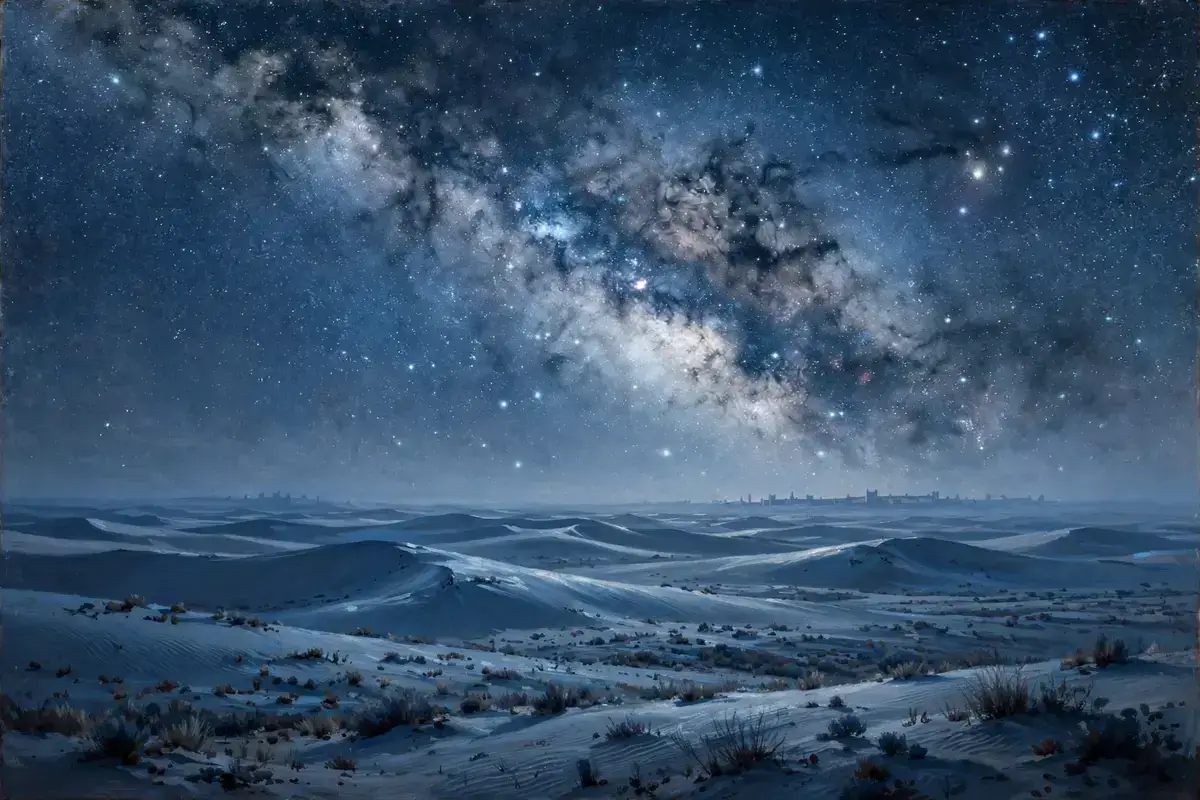
The Night Journey came at the lowest point of the Prophet’s life in Makkah. He had just endured the Year of Sorrow, burying his beloved wife Khadijah and his protecting uncle Abu Talib within weeks of each other. He had been rejected and stoned at Taif. The opposition in Makkah was fiercer than ever, and the road ahead looked dark.
It was then, about a year before the Hijrah, that Allah honored His Messenger with a journey no human being had ever taken. The Quran opens the account with glorification, a sign of how extraordinary the event is:
سُبْحَانَ الَّذِي أَسْرَىٰ بِعَبْدِهِ لَيْلًا مِّنَ الْمَسْجِدِ الْحَرَامِ إِلَى الْمَسْجِدِ الْأَقْصَى الَّذِي بَارَكْنَا حَوْلَهُ لِنُرِيَهُ مِنْ آيَاتِنَا ۚ إِنَّهُ هُوَ السَّمِيعُ الْبَصِيرُ
Subhanalladhi asra bi‘abdihi laylam-minal-masjidil-harami ilal-masjidil-aqsal-ladhi barakna hawlahu linuriyahu min ayatina. Innahu huwas-sami‘ul-basir.
Exalted is He who took His Servant by night from al-Masjid al-Haram to al-Masjid al-Aqsa, whose surroundings We have blessed, to show him of Our signs. Indeed, He is the Hearing, the Seeing. (17:1)
پاک ہے وہ ذات جو اپنے بندے کو راتوں رات مسجد حرام سے مسجد اقصیٰ تک لے گئی، جس کے گرد ہم نے برکت رکھی ہے، تاکہ ہم اسے اپنی نشانیاں دکھائیں۔ بے شک وہی سننے والا، دیکھنے والا ہے۔
What Happened
Al-Isra: The Night Journey to Jerusalem
The hadith accounts describe how the Prophet was resting near the Kaaba when Jibreel came to him. His chest was opened and his heart washed with Zamzam water and filled with wisdom and faith. Then he was brought al-Buraq, a white heavenly mount, larger than a donkey and smaller than a mule, whose every stride reached as far as the eye could see. Its name comes from the Arabic word for lightning.
In a single night, the Prophet traveled from Makkah to al-Masjid al-Aqsa in Jerusalem, “the farthest mosque,” a journey that took caravans a month each way. There, Allah gathered the earlier prophets, and Muhammad led them all in prayer, a sign of his leadership over the whole prophetic tradition, from Adam to Jesus.
Al-Mi’raj: The Ascension Through the Heavens
From Jerusalem, the Prophet ascended through the seven heavens, greeted at each level by one of the earlier prophets. In the first heaven he met Adam, in the second Yahya and Jesus, in the third Yusuf, in the fourth Idris, in the fifth Harun, in the sixth Musa, and in the seventh Ibrahim, who was leaning against al-Bayt al-Ma’mur, the heavenly house. Each welcomed him as a righteous brother and a righteous prophet.
He was then raised beyond, to Sidrat al-Muntaha, the Lote Tree of the Utmost Boundary, a place the Quran describes in Surah An-Najm (53:13–18) as covered by what covered it, where the eye of the Prophet “did not swerve, nor did it transgress.” There, in the direct presence of Allah, the command that shapes every Muslim’s day was given.
Fifty Prayers, Then Five
Allah first enjoined fifty prayers a day upon the Prophet’s nation. On his descent, the Prophet met Musa, who had led his own people and knew their limits. Musa advised him to return and ask for a reduction, saying his nation would not be able to bear fifty prayers. The Prophet went back, and Allah reduced the number. He returned to Musa, who sent him back again, and again, until the obligation stood at five prayers a day.
Then a voice announced the final decree: the obligation is five, but the reward is fifty. The five daily prayers, Fajr, Dhuhr, Asr, Maghrib, and Isha, were made obligatory on this night, and they have remained the unbroken rhythm of Muslim life ever since.
The Morning After: Belief and Mockery
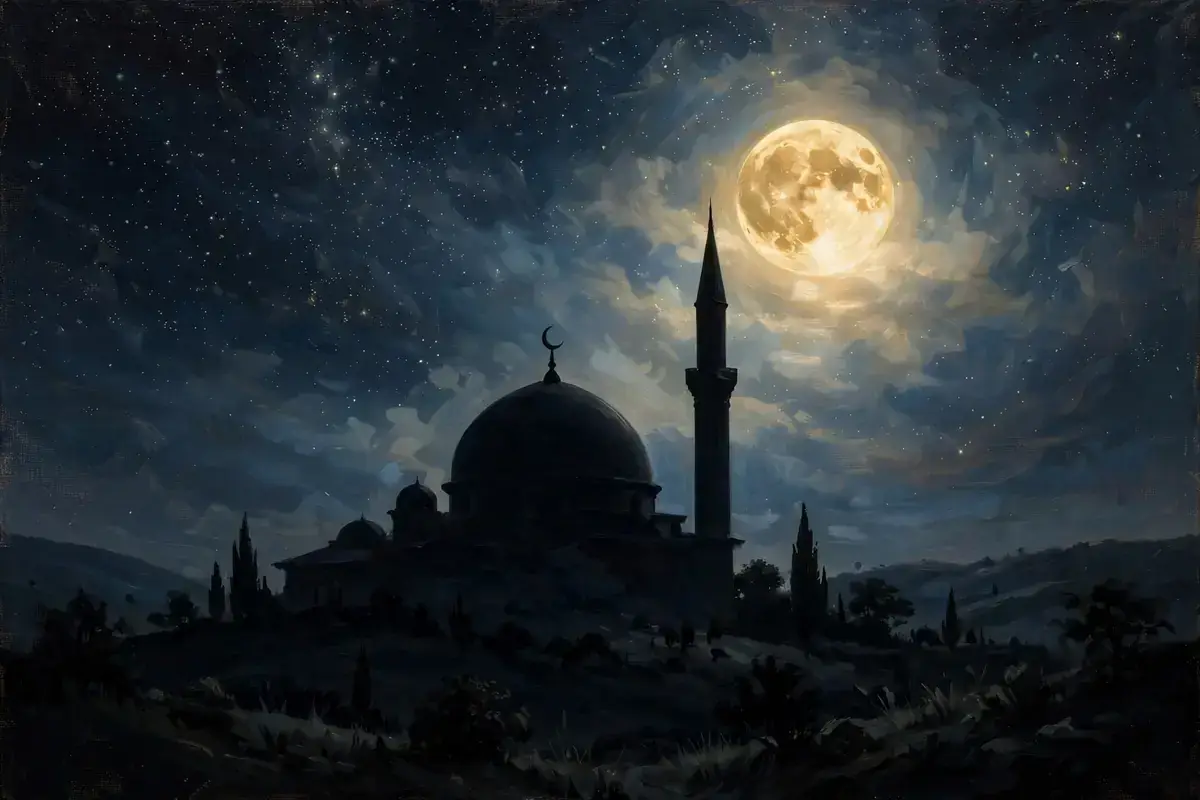
When the Prophet told the Quraysh what had happened, they laughed. A journey to Jerusalem and back in one night was impossible, they said, and some Muslims wavered. But Abu Bakr, when the news reached him, did not hesitate. “If he said it, then it is true,” he replied. From that day he was called as-Siddiq, the truthful confirmer, a title he carried for the rest of his life.
The Quraysh tested the Prophet by asking him to describe Jerusalem and its sanctuary, which he had never visited before. He described it accurately, and even told them of a caravan he had passed on the way, naming the day it would arrive. The caravan arrived exactly as he had said. Some believed, and others only hardened.
Key Figures
- The Prophet Muhammad: taken on the journey and honored with the command of prayer.
- Jibreel (AS): the angel who guided the Prophet through every stage of the journey.
- Musa (AS): met in the sixth heaven; his advice led to the reduction from fifty prayers to five.
- Abu Bakr as-Siddiq (RA): believed instantly when others doubted, earning his famous title.
Lessons and Legacy
Al-Isra wal-Mi’raj is remembered each year on the 27th of Rajab, and its lessons run deep. It came right after the Prophet’s hardest year, a reminder that Allah’s relief follows hardship, often in ways no one can imagine. It established prayer as the direct link between the believer and Allah, the one act of worship commanded not on earth but in the heavens.
The journey also tied the Muslim community forever to Jerusalem. The Prophet’s first qibla was toward al-Masjid al-Aqsa, and the Night Journey made that sanctuary the third holiest site in Islam. Within a year of this night, the Hijrah to Madinah would begin, and the community that prayed five times a day would build a city around those prayers. This Islamic history series follows that road next.
FAQ
What is the difference between Isra and Mi’raj?
Isra is the first part of the night: the journey from the Sacred Mosque in Makkah to al-Masjid al-Aqsa in Jerusalem. Mi’raj is the second part: the ascension from Jerusalem through the seven heavens. Both happened in a single night.
When did Al-Isra wal-Mi’raj happen?
Scholars differ on the exact year, but the most common view places it around 621 CE, in the 11th year of prophethood, about a year before the Hijrah. It is commemorated on the 27th of Rajab.
What is al-Buraq?
Al-Buraq was the heavenly mount the Prophet rode on the Night Journey. The hadith describes it as white, larger than a donkey and smaller than a mule, with each stride reaching as far as the eye could see. Its name comes from the Arabic word for lightning.
Why were the prayers reduced from fifty to five?
Allah first enjoined fifty daily prayers. On his descent, the Prophet met Musa, who advised him that his nation could not bear that burden and urged him to ask for a reduction. After several returns, the obligation was set at five prayers, with the reward of fifty.
How did Abu Bakr earn the title as-Siddiq?
When the Quraysh mocked the Prophet’s account of the Night Journey, Abu Bakr was told about it and replied at once: if Muhammad said it, then it is true. His instant, unwavering belief earned him the title as-Siddiq, the truthful confirmer.
Final Thoughts
In one night, the Prophet traveled from Makkah to Jerusalem and through the heavens, met his brother prophets, and returned with the five daily prayers. Al-Isra wal-Mi’raj reminds us that after the darkest year comes the greatest honor, that prayer is a gift carried down from the highest place, and that true faith, like Abu Bakr’s, believes even when the world laughs. Every time we stand for salah, we are keeping the covenant of that night.
Continue Reading
Next, read about the Hijrah to Madinah, the migration that changed history, or return to the Islamic history timeline to explore all ten chapters of the early seerah.