
دُعَاءُ الاِسْتِخَارَة
Istikhara Dua: Full Arabic Text and How to Pray Salat al-Istikhara
At a Glance
Sahih al-Bukhari 1162, narrated by Jabir ibn Abdullah
Two rak’ah of voluntary prayer, then this dua
Seeking Allah’s guidance in decisions
Ease or difficulty in the matter, not necessarily a dream
Standing before an important decision, a marriage proposal, a job offer, a move to a new city, the believer has a gift the Prophet Muhammad (peace be upon him) taught his companions the way he taught them chapters of the Quran. It is called Istikhara, seeking the good, and it consists of a short prayer followed by one of the most beautiful duas ever taught. Jabir ibn Abdullah preserved it in Sahih al-Bukhari. Below is the full dua with Arabic text, transliteration, English and Urdu meanings, and the complete step-by-step method.
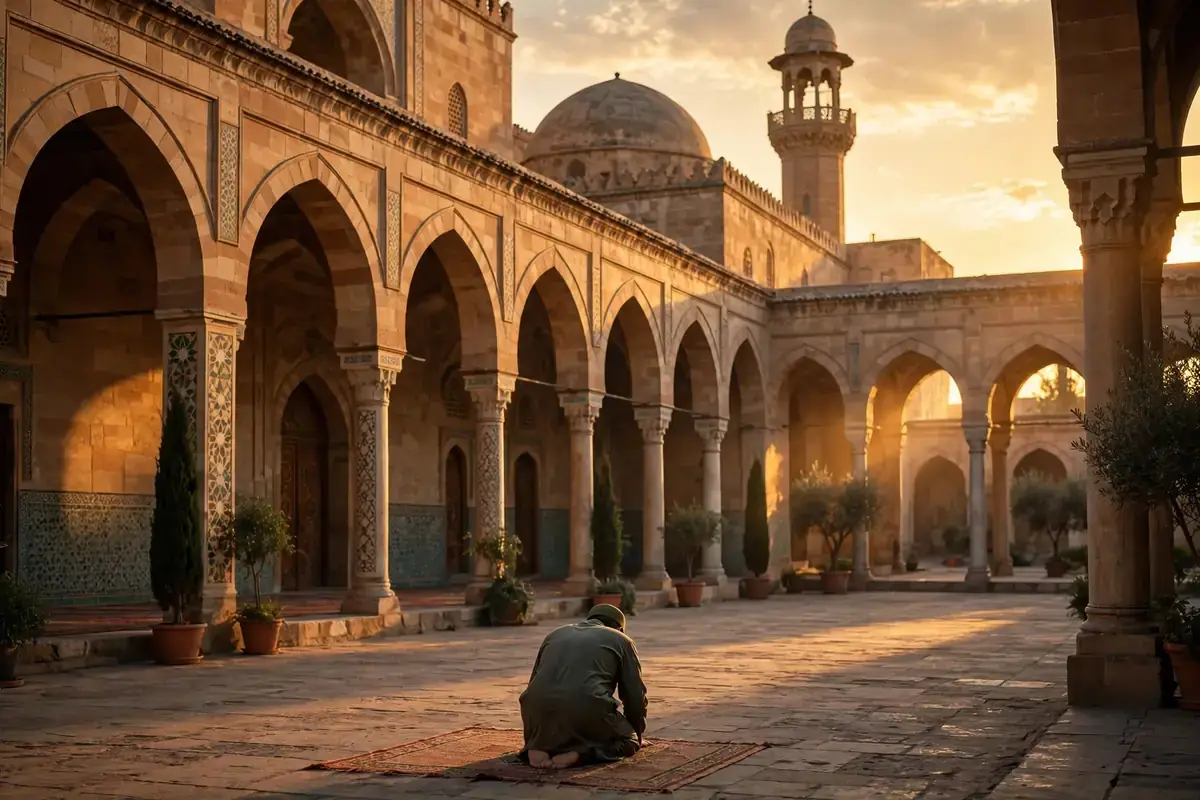
The Istikhara Dua in Arabic
اللَّهُمَّ إِنِّي أَسْتَخِيرُكَ بِعِلْمِكَ، وَأَسْتَقْدِرُكَ بِقُدْرَتِكَ، وَأَسْأَلُكَ مِنْ فَضْلِكَ الْعَظِيمِ، فَإِنَّكَ تَقْدِرُ وَلَا أَقْدِرُ، وَتَعْلَمُ وَلَا أَعْلَمُ، وَأَنْتَ عَلَّامُ الْغُيُوبِ، اللَّهُمَّ إِنْ كُنْتَ تَعْلَمُ أَنَّ هَذَا الْأَمْرَ خَيْرٌ لِي فِي دِينِي وَمَعَاشِي وَعَاقِبَةِ أَمْرِي، فَاقْدُرْهُ لِي وَيَسِّرْهُ لِي، ثُمَّ بَارِكْ لِي فِيهِ، وَإِنْ كُنْتَ تَعْلَمُ أَنَّ هَذَا الْأَمْرَ شَرٌّ لِي فِي دِينِي وَمَعَاشِي وَعَاقِبَةِ أَمْرِي، فَاصْرِفْهُ عَنِّي وَاصْرِفْنِي عَنْهُ، وَاقْدُرْ لِي الْخَيْرَ حَيْثُ كَانَ، ثُمَّ أَرْضِنِي بِهِ
Allahumma inni astakhiruka bi’ilmika, wa astaqdiruka biqudratika, wa as’aluka min fadlikal-‘azim. Fa-innaka taqdiru wa la aqdir, wa ta’lamu wa la a’lam, wa anta ‘allamul-ghuyub. Allahumma in kunta ta’lamu anna hadhal-amra khayrun li fi dini wa ma’ashi wa ‘aqibati amri, faqdurhu li wa yassirhu li, thumma barik li fih. Wa in kunta ta’lamu anna hadhal-amra sharrun li fi dini wa ma’ashi wa ‘aqibati amri, fasrifhu ‘anni wasrifni ‘anh, waqdur liyal-khayra haythu kan, thumma ardini bih.
O Allah, I seek Your guidance through Your knowledge, I seek strength through Your power, and I ask You from Your immense favor. For You are able and I am not, You know and I do not, and You are the Knower of the unseen. O Allah, if You know that this matter is good for me in my religion, my livelihood, and the outcome of my affairs, then decree it for me, make it easy for me, and bless it for me. And if You know that this matter is bad for me in my religion, my livelihood, and the outcome of my affairs, then turn it away from me and turn me away from it, and decree for me the good wherever it may be, then make me content with it.
اے اللہ! میں تیرے علم سے تجھ سے خیر مانگتا ہوں، اور تیری قدرت سے قدرت مانگتا ہوں، اور تیرے عظیم فضل سے مانگتا ہوں۔ کیونکہ تو قادر ہے اور میں قادر نہیں، تو جانتا ہے اور میں نہیں جانتا، اور تو غیب کی باتوں کا جاننے والا ہے۔ اے اللہ! اگر تو جانتا ہے کہ یہ معاملہ میرے دین، میری معاش اور میرے انجام کے لیے بہتر ہے، تو اسے میرے لیے مقدر فرما، میرے لیے آسان فرما، پھر اس میں برکت دے۔ اور اگر تو جانتا ہے کہ یہ معاملہ میرے دین، میری معاش اور میرے انجام کے لیے برا ہے، تو اسے مجھ سے دور فرما اور مجھے اس سے دور فرما، اور میرے لیے خیر مقدر فرما جہاں بھی ہو، پھر مجھے اس پر راضی فرما۔
Sahih al-Bukhari 1162 • narrated by Jabir ibn ‘Abdullah
Meaning Explained
The dua has two movements. The first is an admission: You know and I do not, You are able and I am not. Every decision the believer agonizes over is, from Allah’s side, already known in its ending. Istikhara is the act of placing the decision into those knowing hands instead of carrying it alone.
The second movement is the actual request, and it asks for something deeper than a yes or no. It asks Allah to decree the matter if it is good, to make it easy, and to bless it. And if it is bad, it asks for something remarkable: turn it away from me and turn me away from it. The dua knows that the heart clings to things that harm it, so it asks Allah to redirect the heart itself. It ends with contentment, thumma ardini bih, then make me pleased with it, because the true prize is a heart at peace with Allah’s decree, whatever it is.
When you reach the words “this matter” (hadhal-amr), hold your specific decision in mind, or name it quietly. That is the moment the dua becomes yours.

How to Pray Istikhara: Step by Step
- Make wudu. Begin in a state of ritual purity, as for any prayer.
- Form the intention. Intend in your heart that you are praying two rak’ah of Istikhara for guidance in your decision.
- Pray two rak’ah of voluntary (nafl) prayer, at any time except the disliked times (after Fajr until sunrise, at noon, after Asr until sunset).
- Recite the dua after the prayer with focus and presence, holding your matter in mind at the words “this matter.”
- Proceed with your decision. Take the practical steps, consult trustworthy people, and move forward. Do not wait for a dream or a sign.
Scholars explain that the answer to Istikhara usually appears as ease or difficulty in the matter itself. If Allah opens the path and things fall into place, that is the guidance. If obstacles keep appearing despite your effort, that is also an answer. A dream is not required, and waiting for one is a common misunderstanding. Make the dua, do your part, and trust the outcome.
Virtues and Benefits
Jabir said the Prophet taught them Istikhara in all matters the way he taught them a surah of the Quran. That comparison is striking: this dua was given the weight of revelation in how carefully it was taught. The believer who makes Istikhara never truly regrets, because whatever happens was asked for from the All-Knowing.
Istikhara also frees the heart from the paralysis of choice. Once you have prayed, consulted, and decided, you move forward with a calm conscience. If it works out, it is a blessing. If it does not, it was never yours, and Allah has something better. That peace is the real fruit of the prayer, and it pairs well with our dua for anxiety and sorrow for seasons of heavy decisions.
FAQ
Do I need to see a dream after Istikhara?
No. This is the most common misunderstanding about Istikhara. The scholars explain that the answer usually comes as ease or obstacles in the matter itself, or as an inclination of the heart. Do not wait for a dream; make the dua, take the practical steps, and move forward with trust in Allah.
When should I pray Istikhara?
Before any decision where the right choice is unclear: marriage proposals, job offers, business partnerships, moving cities, or major purchases. It is not for matters that are clearly obligatory or clearly forbidden; those need no Istikhara, only action or avoidance.
Can I repeat Istikhara more than once?
Yes, it may be repeated if the matter is still unclear. Some scholars mention repeating it up to seven times. Once is sufficient for most cases, but there is no harm in repeating the prayer and dua while the decision is still open.
What if I cannot memorize the full dua?
You may read it from a paper or your phone while learning it; sincerity matters more than memorization. Learn it gradually, a few lines at a time. The Arabic text above is the complete authentic wording from Sahih al-Bukhari 1162.
Should I still consult people after Istikhara?
Yes. Istikhara does not replace consultation (mashwara); the two go together. The Prophet’s own practice combined seeking Allah’s guidance with asking trustworthy, experienced people. Do both, then decide and trust Allah with the outcome.
Final Thoughts
Every big decision feels like standing at a crossroads in the dark. Istikhara is the lamp the Prophet placed in your hand: two rak’ah, one dua, and the courage to say “You know and I do not.” Pray it, consult, decide, and walk forward. The One who taught you the prayer will not abandon you on the road.
Continue Reading
For heavy decisions also see the dua for anxiety and sorrow and the Rabbana duas, or browse the full collection on the Masnoon Duas hub.