
صَالِحٌ عَلَيْهِ السَّلَامُ
Prophet Salih (AS), the She-Camel, and the People of Thamud
At a Glance
9 times in the Quran, across Al-A’raf, Hud, Ash-Shu’ara, and others
Allah sent the she-camel as a sign; Thamud killed her and were destroyed
Rejecting a clear sign after demanding it leaves no excuse
Al-A’raf (7), Hud (11), Ash-Shu’ara (26), Al-Qamar (54)
His Story
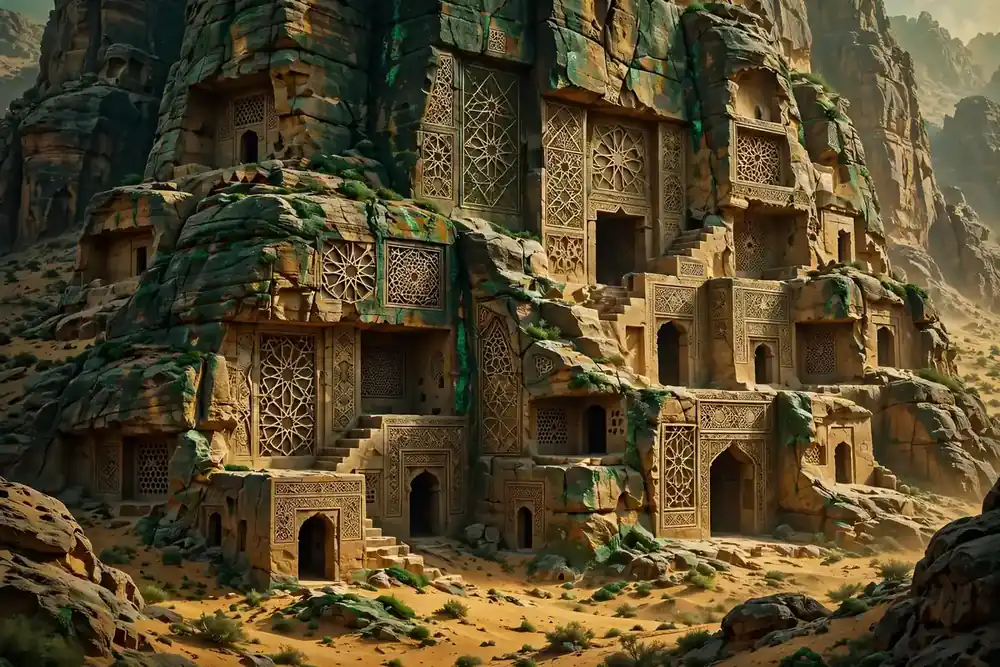
After the ‘Ad were destroyed, another nation rose in Arabia and made the same mistake with even greater confidence. The Thamud settled in al-Hijr, a valley of rock in the northwest, and carved their houses directly into the mountains, “feeling secure” (15:82). Stone does not lie, stone does not die, and stone, they thought, could not be shaken. Allah sent them their brother Salih (AS). And when they demanded a sign, He gave them one so clear that rejecting it became the most documented act of defiance in the Quran: a living she-camel, called “the she-camel of Allah.”
Thamud, Successors of ‘Ad
The Quran introduces the Thamud as the heirs of the ‘Ad: “Remember when He made you successors after ‘Ad and settled you in the land” (7:74). They took palaces on the plains and hewed homes from the mountains. Allah had “produced them from the earth and settled them in it” (11:61), giving them skill, security, and prosperity. Like the ‘Ad before them, they worshipped idols and spread corruption, and like every nation in this pattern, they received a prophet from among themselves. Salih’s opening words mirror Hud’s and Nuh’s before him: “O my people, worship Allah; you have no god besides Him” (7:73).
But Salih added a personal plea suited to his people. “My Lord is near and responsive,” he told them, urging them to seek forgiveness and turn back (11:61). The people’s reply reveals how they saw him: “O Salih, you were a man of promise among us before this. Do you forbid us from worshipping what our fathers worshipped?” (11:62). They had once respected him. His message cost him that respect, and he paid it willingly.
The She-Camel: A Sign and a Trial
The Thamud demanded proof, and Allah answered with something no one could fake or explain away. “We are sending the she-camel as a trial for them,” Allah told Salih, “so watch them, and be patient” (54:27). Notice the word: trial. The camel was not only a miracle; it was a test of obedience with a living, breathing deadline.
Salih presented her with two simple conditions: “This is Allah’s she-camel, a sign for you. Let her graze freely on Allah’s land, and do not harm her, or a painful punishment will seize you” (7:73). The Quran adds the detail of shared water: the well’s water was divided between the people and the camel on alternating days, “each drinking will be witnessed” (54:28). The sign came with a small, daily act of submission. Every time they let the camel drink, they were acknowledging Allah. Every time they resented it, the resentment grew.
The Killing and the Three Days
The arrogant leaders could not tolerate the arrangement. The Quran names the conspiracy precisely: “there were nine men in the city who spread corruption in the land and did not reform” (27:48). They hamstrung the she-camel, killing the sign Allah had sent, and then taunted Salih: “Bring us what you threaten us with, if you are one of the messengers” (7:77). It was the same challenge the ‘Ad had issued to Hud, and it would get the same answer.
Salih gave them their deadline: “Enjoy life in your homes for three days. That is a promise that will not be denied” (11:65). Three days to repent, three days to undo nothing, three days that passed like all their other days. Tafsir reports describe their faces changing color day by day, but the Quran itself keeps the focus simple: the promise was made, the days passed, and the decree arrived.
The Punishment and the Farewell
“When Our command came, We saved Salih and those who believed with him, by mercy from Us” (11:66). As for the wrongdoers, “the mighty blast seized them, and they lay lifeless in their homes” (11:67), “as though they had never lived there” (11:68). One blast. One morning. The mountain homes that were supposed to keep them safe forever became their tombs, and the Quran closes their account with the words: “Away with Thamud” (11:68).
Salih’s last words to his people are among the saddest in the Quran: “O my people, I conveyed to you the message of my Lord and advised you sincerely, but you do not love sincere advisers” (7:79). He turned away from the ruins having done everything a prophet can do. The rest was never his to control.
Key Verses About Prophet Salih
إِنَّا مُرْسِلُو النَّاقَةِ فِتْنَةً لَّهُمْ فَارْتَقِبْهُمْ وَاصْطَبِرْ
Inna mursilun-naqati fitnatan lahum farttaqibhum wastabir.
We are sending the she-camel as a trial for them, so watch them, and be patient. (54:27)
بے شک ہم اونٹنی بھیجنے والے ہیں ان کی آزمائش کے لیے، پس تم ان کی نگرانی کرو اور صبر کرو۔ (54:27)
وَإِلَىٰ ثَمُودَ أَخَاهُمْ صَالِحًا ۗ قَالَ يَا قَوْمِ اعْبُدُوا اللَّهَ مَا لَكُم مِّنْ إِلَٰهٍ غَيْرُهُ ۖ قَدْ جَاءَتْكُم بَيِّنَةٌ مِّن رَّبِّكُمْ ۖ هَٰذِهِ نَاقَةُ اللَّهِ لَكُمْ آيَةً ۖ فَذَرُوهَا تَأْكُلْ فِي أَرْضِ اللَّهِ ۖ وَلَا تَمَسُّوهَا بِسُوءٍ فَيَأْخُذَكُمْ عَذَابٌ أَلِيمٌ
Wa ila Thamuda akhahum Saliha, qala ya qawmi’budullaha ma lakum min ilahin ghayruh, qad ja’atkum bayyinatun min rabbikum, hadhihi naqatullahi lakum ayah, fadharuha ta’kul fi ardillah, wa la tamassuha bisu’in faya’khudhakum ’adhaban alim.
“And to Thamud, their brother Salih. He said, ‘O my people, worship Allah; you have no god besides Him. Clear proof has come to you from your Lord. This is Allah’s she-camel, a sign for you. Let her graze on Allah’s earth, and do not harm her, or a painful punishment will seize you.’” (7:73)
اور ثمود کی طرف ان کے بھائی صالح کو (بھیجا)۔ اس نے کہا: اے میری قوم! اللہ کی عبادت کرو، اس کے سوا تمہارا کوئی معبود نہیں۔ تمہارے رب کی طرف سے تمہارے پاس واضح دلیل آ چکی ہے۔ یہ اللہ کی اونٹنی تمہارے لیے ایک نشانی ہے، پس اسے اللہ کی زمین میں چرنے دو اور اسے تکلیف نہ پہنچاؤ ورنہ تمہیں دردناک عذاب پکڑ لے گا۔ (7:73)
فَعَقَرُوهَا فَقَالَ تَمَتَّعُوا فِي دَارِكُمْ ثَلَاثَةَ أَيَّامٍ ۖ ذَٰلِكَ وَعْدٌ غَيْرُ مَكْذُوبٍ
Fa-’aqaruha faqala tamatta’u fi darikum thalathata ayyam, dhalika wa’dun ghayru makdhub.
But they hamstrung her, so he said, “Enjoy life in your homes for three days. That is a promise that will not be denied.” (11:65)
پس انہوں نے اس کی کونچیں کاٹ دیں، تو اس نے کہا: اپنے گھروں میں تین دن تک فائدہ اٹھا لو۔ یہ ایسا وعدہ ہے جو جھوٹا نہیں ہوگا۔ (11:65)

Character and Virtues
Salih’s standout virtue is patience under a very specific strain: watching a miracle be mistreated daily. Allah told him in advance, “watch them, and be patient” (54:27), which means his prophethood included the painful duty of observing his people’s disobedience without being able to stop it. He carried out that duty faithfully, warning clearly, advising sincerely, and never softening the message to win back the respect he had lost.
His farewell speech (7:79) reveals a heart without bitterness. He does not curse the ruins; he grieves over them. “I conveyed to you the message of my Lord and advised you sincerely” is the statement of a man whose conscience is clean. A prophet’s success is measured by delivery, not by conversion.
Lessons for Us
- Do not demand signs you will not honor. Thamud asked for a miracle and then killed it. Asking Allah for clarity creates an obligation to act on it.
- Small disobedience grows. The camel’s shared water seemed like a small thing to resent. Resentment of Allah’s commands, left unchecked, ends in open defiance.
- Material security is an illusion. Mountain fortresses, carved with great skill, became tombs in a single morning. No engineering outlasts a divine decree.
- Leadership matters. Nine corrupt men (27:48) dragged a whole nation into ruin. The company and counsel you keep can decide your fate.
- Deadlines are real. “Three days” sounded like plenty of time. Every warning in your life has an unseen expiry date; repentance should never wait for one.
FAQ
Who were the people of Thamud?
The Thamud were an ancient Arabian nation who lived in al-Hijr, a valley in the northwest of Arabia, after the destruction of the ‘Ad. They were skilled builders famous for carving their homes directly into mountains (15:80–82). They were sent Prophet Salih and were destroyed after killing the she-camel Allah had sent as a sign.
What was the miracle of the she-camel?
When Thamud demanded proof of Salih’s prophethood, Allah sent a living she-camel as a clear sign, calling her “the she-camel of Allah” (7:73). The Quran says she was sent as a trial for them (54:27), with the condition that she not be harmed and that the community’s water be shared with her on set days (54:28). Tafsir literature describes her emerging from rock, but the Quran’s emphasis is on the test of obedience she represented.
Why did Thamud kill the she-camel?
Nine corrupt leaders in the city conspired against the sign (27:48). They resented the arrangement, hamstrung the camel, and then challenged Salih to bring the punishment he had warned about (7:77). Their act was not just cruelty to an animal; it was open defiance of a direct divine command.
How were the Thamud destroyed?
After the camel was killed, Salih gave them three days (11:65). When the time came, “the mighty blast seized the wrongdoers, and they lay lifeless in their homes” (11:67), as though they had never lived there (11:68). Salih and the believers were saved by Allah’s mercy (11:66).
Where is al-Hijr today?
Al-Hijr is identified with the archaeological site known as Mada’in Salih in the AlUla region of modern-day Saudi Arabia, famous for its rock-cut tombs and facades. The Quran mentions it as the place where Thamud “hewed houses in the mountains, feeling secure” (15:82).
Final Thoughts
Thamud carved eternity into stone and got three days. Their story is the Quran’s warning to everyone who confuses durability with security: fortresses fall, markets crash, and bodies fail, but the One who sent the she-camel remains. Salih (AS) did his part with a clean conscience and a grieving heart. When your warning comes, and it will come in some form, do not be the one who kills the sign.
Continue Reading
Meet Prophet Ibrahim (AS), the friend of Allah and father of prophets, or Prophet Hud (AS), sent to the ‘Ad before Thamud, or return to the Stories of the Prophets hub.