
غَزْوَةُ بَدْرٍ الْكُبْرَى
The Battle of Badr: 313 Against a Thousand, the First Victory
At a Glance
17 Ramadan 2 AH, 13 March 624 CE
The Prophet Muhammad, Hamza (RA), Ali (RA); Abu Jahl for the Quraysh
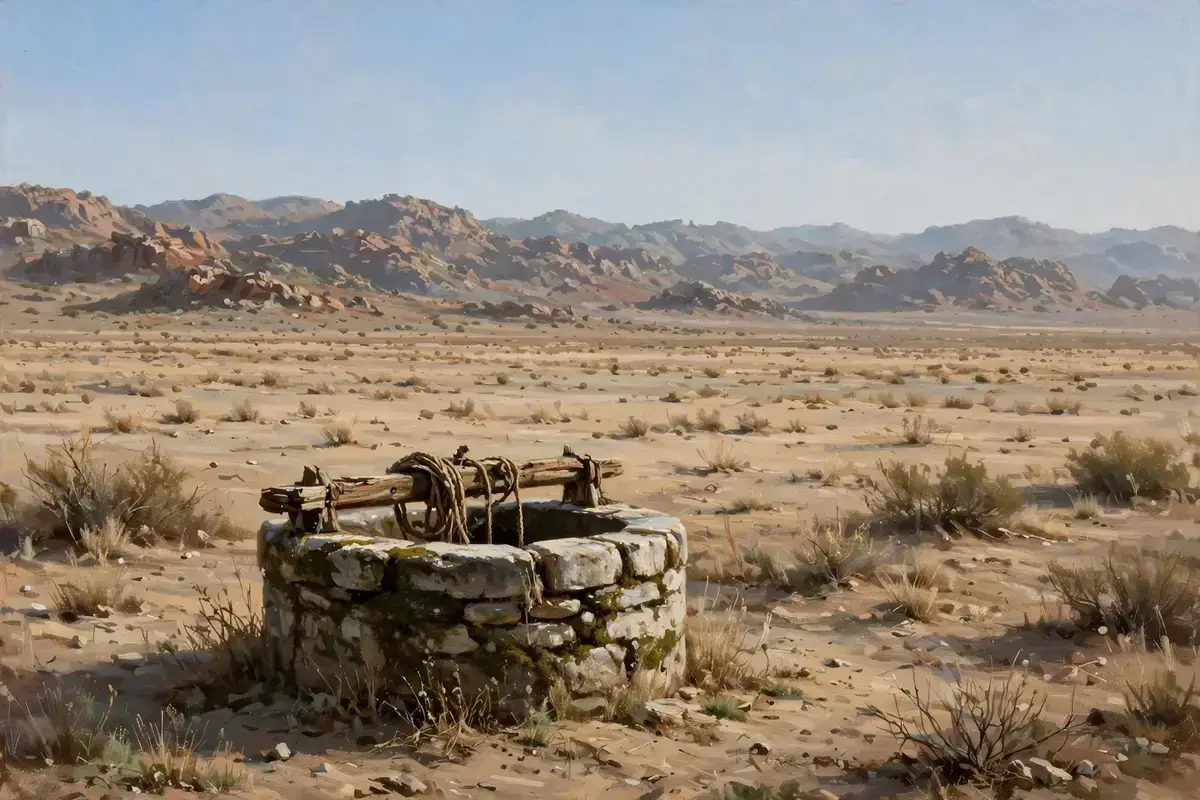
The wells of Badr, about 130 km southwest of Madinah
The first major battle of Islam; a decisive Muslim victory against triple odds
Background: From Persecution to Permission
For thirteen years in Makkah, the Muslims had endured persecution without raising a hand in return. After the Hijrah, the situation changed: they were now a community with a city to defend, and the Quraysh were openly hostile, confiscating the property the migrants had left behind and threatening the tribes allied with Madinah.
It was then that Allah gave the Muslims permission to fight in self-defense. The Quran declared: “Permission has been given to those who are being fought, because they were wronged, and indeed, Allah is competent to give them victory” (22:39). The Muslims began intercepting Quraysh trade caravans to Syria, striking at the economic lifeline of their persecutors.
In Ramadan of 2 AH, word reached Madinah that Abu Sufyan was returning from Syria with a rich Quraysh caravan. The Prophet set out with about 313 men to intercept it. But Abu Sufyan learned of the plan, sent for help from Makkah, and slipped away by an alternate coastal route. The Quraysh army of nearly a thousand, led by Abu Jahl, marched out anyway, determined to crush the Muslims once and for all. The two forces met at the wells of Badr.
What Happened: The Day of Distinguishing
The March and the Consultation
The march to Badr revealed the character of the Prophet’s leadership. When scouts reported that the Quraysh army was coming, not just the caravan, the Prophet gathered his companions for consultation. He had not set out expecting a pitched battle, and he wanted to know where his men stood. Al-Miqdad ibn al-Aswad spoke first: they would not say what the Children of Israel had said to Musa, “go, you and your Lord, and fight”; they would fight at his side, on his right and his left, before him and behind him.
Then Sa’d ibn Mu’adh, speaking for the Ansar, gave the pledge that the seerah has preserved ever since: they had believed in him and affirmed his message, and if he were to plunge into the sea, they would plunge in with him. The Prophet’s face lit up with joy, and he told them to march forward with glad tidings. An army that chooses its battle freely fights differently from one that is driven to it.
The Night Before
The Muslims reached Badr first and took the wells, controlling the water. They were 313 to 317 men, with just two horses and seventy camels, many of them young and poorly armed. The Quraysh numbered around a thousand, with a hundred horses and nearly two hundred camels, confident and well equipped. On the night before the battle, rain fell: a mercy for the Muslims, firming the sandy ground beneath their feet, while the Quraysh ground turned to mud.
That night, the Prophet prayed through the darkness in his tent. His dua, preserved in the seerah, was the cry of a man who knew everything was at stake: “O Allah, if this small band perishes, You will not be worshipped on this earth.” Abu Bakr comforted him, and the Prophet emerged with the promise of divine help. The Quran records the answer: “Remember when you asked help of your Lord, and He answered you: Indeed, I will reinforce you with a thousand angels, rank upon rank” (8:9).
The Duels and the Battle
By Arab custom, the battle opened with single combat. Three Quraysh champions, Utbah ibn Rabi’ah, his brother Shaybah, and his son al-Walid, stepped forward and challenged the Muslims. Hamza ibn Abd al-Muttalib, Ali ibn Abi Talib, and Ubaydah ibn al-Harith answered. All three Quraysh champions fell, though Ubaydah was gravely wounded and later died of his injuries.
Then the lines clashed. The Prophet threw a handful of pebbles toward the Quraysh, and the Quran says of that moment: “You did not throw when you threw, but Allah threw” (8:17). The Muslim ranks held with discipline and faith, and the Quraysh line broke. Their leader Abu Jahl was killed in the fighting, along with many of Makkah’s proudest nobles. By midday it was over: fourteen Muslims had been martyred, while seventy of the Quraysh lay dead and another seventy were taken prisoner.
Mercy After Victory
The treatment of the prisoners showed the character of the new community. They were fed, clothed, and treated with kindness, and their ransom was set fairly. In a remarkable decision, prisoners who could read and write were freed in exchange for teaching ten Muslim children literacy. Knowledge itself became the price of freedom.

The Quran on Badr
No battle is mentioned more often in the Quran than Badr. Surah Al-Anfal, “The Spoils of War,” was revealed about it in detail, and the Quran calls the day “Yaum al-Furqan,” the Day of Distinguishing between truth and falsehood (8:41). Surah Aal-e-Imran also recalls it:
وَلَقَدْ نَصَرَكُمُ اللَّهُ بِبَدْرٍ وَأَنتُمْ أَذِلَّةٌ ۖ فَاتَّقُوا اللَّهَ لَعَلَّكُمْ تَشْكُرُونَ
Wa laqad nasarakumullahu bibadriw-wa antum adhillah; fattaqullaha la‘allakum tashkurun.
“And already had Allah given you victory at Badr while you were few in number. Then fear Allah, that you may be grateful.” (3:123, Surah Aal-e-Imran)
اور بے شک اللہ نے بدر میں تمہاری مدد کی جب تم بہت کم تھے۔ پس اللہ سے ڈرو تاکہ تم شکر گزار بنو۔
Key Figures
- The Prophet Muhammad: commander of the Muslim force, whose night of prayer preceded the victory.
- Hamza ibn Abd al-Muttalib (RA): the Prophet’s uncle, whose duel opened the Muslim triumph.
- Ali ibn Abi Talib (RA): defeated al-Walid in single combat despite his youth.
- Abu Jahl (Amr ibn Hisham): the Quraysh leader whose death at Badr broke Makkah’s pride.
Lessons and Legacy
Badr proved that numbers do not decide outcomes when faith, discipline, and divine help combine. The victory transformed the Muslims’ standing across Arabia: tribes that had dismissed them as refugees now treated Madinah as a power. It also set the moral code of Islamic warfare: the prisoners’ kind treatment and the literacy ransom showed that even in victory, mercy and knowledge came first.
But Badr’s glory carried a warning the Muslims would learn the hard way. The Quraysh’s humiliation demanded revenge, and within a year they returned with a far larger army. The story of what happened when victory bred overconfidence is told in the Battle of Uhud, the next chapter of this Islamic history series.
FAQ
When and where was the Battle of Badr fought?
The battle was fought on 17 Ramadan 2 AH, corresponding to 13 March 624 CE, at the wells of Badr, about 130 kilometers southwest of Madinah, between Makkah and Madinah.
How many fought at Badr on each side?
The Muslims numbered about 313 to 317, with only two horses and seventy camels. The Quraysh fielded around a thousand well-equipped men with a hundred horses. Fourteen Muslims were martyred; seventy of the Quraysh were killed and seventy taken prisoner.
Why is Badr called Yaum al-Furqan?
The Quran calls it “the Day of Distinguishing” (8:41) because it was the first open confrontation between truth and falsehood, and its outcome clearly distinguished the aided community of believers from their persecutors.
What does the Quran say about angels at Badr?
The Quran states that Allah reinforced the Muslims with angels: “Indeed, I will reinforce you with a thousand angels, rank upon rank” (8:9). Surah Aal-e-Imran (3:123) also recalls the victory “while you were few in number.”
How were the prisoners of Badr treated?
They were treated with kindness, fed and clothed, and ransomed fairly. Those who were literate could earn their freedom by teaching ten Muslim children to read and write, making knowledge itself the price of liberty.
Final Thoughts
Three hundred and thirteen against a thousand, and the thousand fled. Badr remains the eternal proof that victory comes from Allah, not from numbers, and that a community built on faith can stand against any odds. But it also reminds us that every victory is a trust: the mercy shown to the prisoners that day is as much Badr’s legacy as the triumph on the field. The Day of Distinguishing still distinguishes, in every age, those who trust Allah from those who trust only their strength.
Continue Reading
Continue with the Battle of Uhud, where victory turned to trial, or return to the Islamic history timeline to explore all ten chapters of the early seerah.