
سُورَةُ يُوسُفَ
Surah Yusuf: The Story of Joseph, Complete Guide with Arabic Text
Revelation
Revealed in Makkah
Verses
111 ayat, one complete story
Surah No.
Twelfth chapter of the Quran
Juz
Spans Juz 12 and 13
Surah Yusuf is the twelfth chapter of the Quran, and it is unlike any other chapter in the Book. With 111 verses revealed in Makkah, it tells a single story from beginning to end: the life of the Prophet Yusuf, from a boy’s dream to a minister’s throne, through betrayal, slavery, temptation, prison, and finally forgiveness. Allah Himself names it in verse 3: “We relate to you the best of stories.” No other narrative in the Quran receives that title, and no other surah is devoted so completely to one life.
The surah was revealed in the Year of Sorrow, after the deaths of Khadijah and Abu Talib, when the Prophet had lost his dearest supporters and the Quraysh’s hostility was at its peak. Into that grief came the story of a prophet who lost everything, a father’s love, his freedom, his reputation, and who waited years in a prison for a plan he could not see, until every loss was revealed as a step toward a mercy larger than the losses. The surah was consolation before it was anything else, and it remains consolation: for the betrayed, the falsely accused, the patient, and everyone waiting for a plan they cannot yet see. This guide covers its story, its themes, its key verses, and the full Arabic text.
Yusuf follows Surah Hud in the Quran’s order, and the pairing is deliberate: Hud showed seven prophets tested by their peoples, and Yusuf shows one prophet tested by life itself, proving that Allah’s plan operates as surely in a prison cell as on a battlefield. It is the most loved narrative surah in the Quran, and the easiest to read in a single sitting.

The Story of Surah Yusuf
The surah’s narrative is so complete that summarizing it is almost retelling it. Here is its arc, in the surah’s own order, with the themes each stage carries.
The Dream and the Plot (12:4-20)
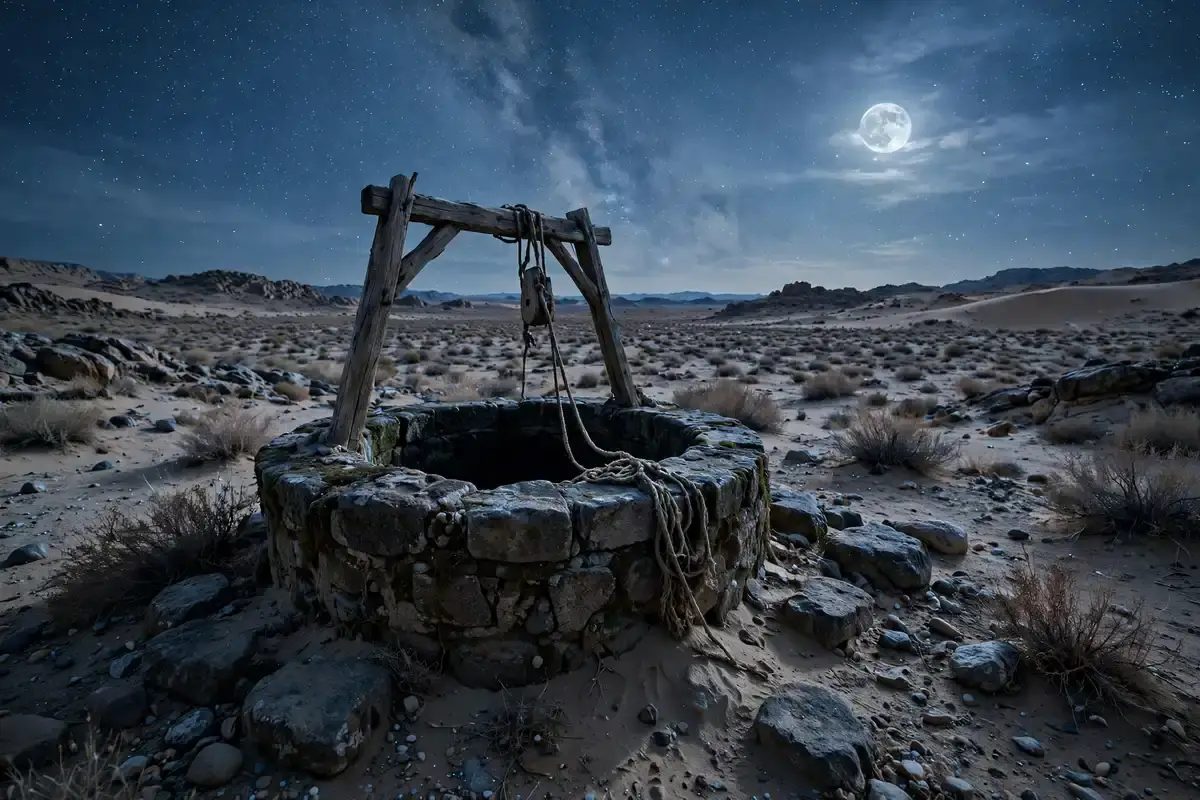
Young Yusuf tells his father Ya’qub a dream: eleven stars, the sun, and the moon prostrating to him. Ya’qub, a prophet, recognizes a true vision and warns his son to tell his brothers nothing, for Satan is man’s clear enemy. The warning proves prophetic. The brothers, burning with jealousy at their father’s love for Yusuf and his full brother, plot to kill him or cast him into a distant land, settling finally on throwing him into a well where a passing caravan might find him. They deceive their father, abandon the boy, and return with a blood-stained shirt and a lie about a wolf. Ya’qub’s response is the surah’s first great sentence: “Patience is most fitting.”
Egypt, Temptation, and Prison (12:21-42)
A caravan draws Yusuf from the well and sells him in Egypt, where the ‘Aziz, a high official, buys him and raises him in his household. When Yusuf reaches maturity, Allah grants him wisdom and knowledge, and then comes the surah’s central moral trial: the ‘Aziz’s wife attempts to seduce him behind locked doors. Yusuf refuses, seeking refuge in Allah, and when she tears his shirt from behind as he flees to the door, the evidence of his innocence is plain. Yet the scandal must be buried, and Yusuf is imprisoned on a false charge. In prison he becomes the companion and counselor of two inmates, calling them to Allah’s oneness before interpreting their dreams, and he asks one of them to mention him to the king. The request is forgotten, and Yusuf remains in prison for years.
This middle section is the surah’s heart. Yusuf’s chastity under direct temptation, his patience under false imprisonment, and his continued call to tawhid even in a cell make him the Quran’s model of integrity when no one is watching and justice is nowhere to be found. Verse 33 records his dua: prison is more beloved to him than the sin he is invited to, a sentence that has defined the Islamic understanding of honor for fourteen centuries.
The King’s Dream and the Rise (12:43-57)
The king dreams of seven fat cows eaten by seven lean ones, and seven green ears of grain and seven dry. None of his counselors can interpret it, but the released inmate remembers Yusuf. Yusuf interprets the dream as seven years of abundance followed by seven of famine, and adds, unasked, a complete economic plan: store the harvest, ration it through the famine, and survive. The king, impressed, summons him, but Yusuf refuses to leave prison until his innocence is publicly established. The women’s testimony clears him, the ‘Aziz’s wife confesses, and Yusuf is appointed over Egypt’s storehouses. The prisoner becomes the minister, not by intrigue but by competence proven in the dark.
The Brothers Return and Forgiveness (12:58-101)
Famine drives the brothers to Egypt for grain, and they stand before the minister without recognizing him. Yusuf recognizes them, and what follows is the surah’s most delicate sequence: he tests them, detains their youngest brother by a stratagem, and watches to see whether they have changed. When the eldest offers himself in the boy’s place rather than face their father’s grief again, Yusuf knows their hearts have turned. He reveals himself, and the brothers confess. His answer is the surah’s climax of mercy: “No blame will there be upon you today. Allah will forgive you, and He is the most merciful of the merciful.” Ya’qub, who had wept until he went blind, regains his sight at the scent of Yusuf’s shirt, the family is reunited in Egypt, and the boy’s dream is fulfilled as his parents and brothers bow to him. Yusuf’s final dua asks Allah to take him as a Muslim and join him with the righteous.
Themes and Key Topics of Surah Yusuf
Five themes run beneath the narrative and give the “best of stories” its depth: divine planning, patience, chastity, forgiveness, and the corrupting and healing of the family.
The Plan Behind the Pain
Every disaster in Yusuf’s life is later revealed as a step: the well leads to Egypt, the slavery leads to the ‘Aziz’s house, the prison leads to the king’s dream, the famine leads to the reunion. Verse 100 has Yusuf say it plainly: “My Lord has made it reality, and He was certainly good to me when He took me out of prison,” counting even the prison among Allah’s favors because of where it led. The surah’s theology is that Allah’s planning operates through human choices, including evil ones, without being tainted by them. The brothers meant harm; Allah meant elevation. The reader’s own unanswered “why” is the surah’s silent question.
Patience as a Strategy, Not a Posture
Ya’qub’s “patience is most fitting” is repeated at three crises: the loss of Yusuf, the loss of the second son, and the long blindness. His patience is never passive; he sends his sons to search, he never despairs of Allah’s mercy, and he keeps praying. The surah distinguishes this beautiful patience from mere endurance: it acts, it hopes, and it refuses to accuse Allah. Verse 87 makes it doctrine: “Despair not of relief from Allah; indeed, no one despairs of relief from Allah except the disbelieving people.”
Chastity and the Locked Door
The seduction scene is narrated with extraordinary restraint and moral clarity. Yusuf’s refusal rests on three grounds: gratitude to his master who housed him well, the certainty that wrongdoers do not succeed, and refuge in Allah. The surah presents chastity not as repression but as loyalty, to God, to one’s benefactor, and to oneself. That a prophet’s defining trial is a private temptation, not a public battle, tells the reader where the real tests of character happen.
Forgiveness at the Height of Power
Yusuf forgives when forgiveness costs him nothing and means everything: he holds Egypt’s grain, his brothers’ lives, and the full memory of the well. His words echo the Prophet’s forgiveness of the Quraysh at the conquest of Makkah, and the surah presents them as the pinnacle of the story, higher than the throne itself. The dream is fulfilled, but the surah’s true climax is mercy.
Virtues and Benefits of Surah Yusuf
Yusuf’s virtue begins with its title, given by Allah Himself: the best of stories. It is the only surah that narrates one life completely, and scholars have always treated it as the Quran’s masterclass in narrative, character, and divine wisdom. For the Prophet, it was revealed as consolation in his darkest year, proof that Allah’s plan for His beloved unfolds through suffering, not around it. For every reader since, it serves the same function: no one who has read Yusuf to the end can claim that their own trials prove Allah has forgotten them.
The surah is recited for patience in waiting, for strength against temptation, for healing from betrayal, and for hope in seemingly impossible situations. Its verses contain some of the most quoted sentences in the Quran on these themes: “patience is most fitting,” “despair not of relief from Allah,” “no blame will there be upon you today.” Parents read it to teach children about envy and forgiveness; the wronged read it to learn mercy; the ambitious read it to learn that elevation comes through integrity, not intrigue.
The surah also carries a unique literary distinction that benefits its student: because it tells one continuous story, it is the easiest long surah to memorize and the most natural to teach. Its scenes, the dream, the well, the shirt, the prison, the reunion, stay in the memory like chapters of a life, because they are.
Key Verses Explained
The verses of Yusuf that readers carry with them for life.
The Best of Stories (12:3)
نَحْنُ نَقُصُّ عَلَيْكَ أَحْسَنَ ٱلْقَصَصِ بِمَآ أَوْحَيْنَآ إِلَيْكَ هَٰذَا ٱلْقُرْءَانَ وَإِن كُنتَ مِن قَبْلِهِۦ لَمِنَ ٱلْغَٰفِلِينَ
“We relate to you, [O Muhammad], the best of stories in what We have revealed to you of this Qur’an although you were, before it, among the unaware.” (12:3)
The surah’s self-description and its title deed. “Best” here means most perfect in composition, most complete in meaning, most beneficial in lesson. The verse also notes the Prophet’s prior unawareness of the story, a quiet proof of revelation: an unlettered man in Makkah narrating Egyptian court history with an accuracy and depth no storyteller could invent.
Prison Over Sin (12:33)
قَالَ رَبِّ ٱلسِّجْنُ أَحَبُّ إِلَىَّ مِمَّا يَدْعُونَنِىٓ إِلَيْهِ ۖ وَإِلَّا تَصْرِفْ عَنِّى كَيْدَهُنَّ أَصْبُ إِلَيْهِنَّ وَأَكُن مِّنَ ٱلْجَٰهِلِينَ
“He said, “My Lord, prison is more to my liking than that to which they invite me. And if You do not avert from me their plan, I might incline toward them and [thus] be of the ignorant.”” (12:33)
Yusuf’s dua at the height of temptation, choosing years in a cell over a moment of disobedience. The verse defines honor in Islam: it is not reputation, which the prison took from him, but obedience, which the prison could not touch. His prayer was answered, and the surah records the answer as proof that Allah hears the resolve of the righteous.
Despair Not of Allah’s Relief (12:87)
يَٰبَنِىَّ ٱذْهَبُوا۟ فَتَحَسَّسُوا۟ مِن يُوسُفَ وَأَخِيهِ وَلَا تَا۟يْـَٔسُوا۟ مِن رَّوْحِ ٱللَّهِ ۖ إِنَّهُۥ لَا يَا۟يْـَٔسُ مِن رَّوْحِ ٱللَّهِ إِلَّا ٱلْقَوْمُ ٱلْكَٰفِرُونَ
“O my sons, go and find out about Joseph and his brother and despair not of relief from Allah. Indeed, no one despairs of relief from Allah except the disbelieving people.”” (12:87)
Ya’qub’s instruction to his sons after decades of grief, and one of the most quoted verses in the Quran. Despair of Allah’s mercy is named as the mark of disbelief itself, which means hope is not optimism but faith. The verse is recited at every dead end, and the surah proves it true within its own pages: the relief came.
No Blame Upon You Today (12:92)
قَالَ لَا تَثْرِيبَ عَلَيْكُمُ ٱلْيَوْمَ ۖ يَغْفِرُ ٱللَّهُ لَكُمْ ۖ وَهُوَ أَرْحَمُ ٱلرَّٰحِمِينَ
“He said, “No blame will there be upon you today. Allah will forgive you; and He is the most merciful of the merciful.”” (12:92)
Yusuf’s forgiveness, spoken from the throne to the brothers who threw him in the well. No reproach, no reminder, no conditions, only the prayer for their forgiveness and the reminder of Allah’s mercy. The Prophet spoke nearly identical words to the Quraysh at the conquest of Makkah, making this verse the bridge between Yusuf’s story and his own.
The Dream Fulfilled (12:100)
وَرَفَعَ أَبَوَيْهِ عَلَى ٱلْعَرْشِ وَخَرُّوا۟ لَهُۥ سُجَّدًۭا ۖ وَقَالَ يَٰٓأَبَتِ هَٰذَا تَأْوِيلُ رُءْيَٰىَ مِن قَبْلُ قَدْ جَعَلَهَا رَبِّى حَقًّۭا ۖ وَقَدْ أَحْسَنَ بِىٓ إِذْ أَخْرَجَنِى مِنَ ٱلسِّجْنِ وَجَآءَ بِكُم مِّنَ ٱلْبَدْوِ مِنۢ بَعْدِ أَن نَّزَغَ ٱلشَّيْطَٰنُ بَيْنِى وَبَيْنَ إِخْوَتِىٓ ۚ إِنَّ رَبِّى لَطِيفٌۭ لِّمَا يَشَآءُ ۚ إِنَّهُۥ هُوَ ٱلْعَلِيمُ ٱلْحَكِيمُ
“And he raised his parents upon the throne, and they bowed to him in prostration. And he said, “O my father, this is the explanation of my vision of before. My Lord has made it reality. And He was certainly good to me when He took me out of prison and brought you [here] from bedouin life after Satan had induced [estrangement] between me and my brothers. Indeed, my Lord is Subtle in what He wills. Indeed, it is He who is the Knowing, the Wise.” (12:100)
The closing of the circle opened in verse 4. Decades after the boy’s dream, the eleven stars, the sun, and the moon bow in the form of his brothers and parents, and Yusuf names what the whole surah has demonstrated: “Indeed, my Lord is Subtle in what He wills.” The verse is the surah’s theology in one line: Allah’s plans are too fine to see while they unfold, and too perfect to doubt once they do.
Read the Complete Surah in Arabic
Here is the complete Arabic text of Surah Yusuf, all 111 verses in the Uthmani script, each with transliteration, English translation, and Urdu translation, so you can read the entire chapter right here. It reads best in a single sitting, as the story was revealed to be read.
1 الٓر ۚ تِلْكَ ءَايَٰتُ ٱلْكِتَٰبِ ٱلْمُبِينِ
1:1 Alif-Laaam-Raa; tilka Aayaatul Kitaabil Mubeen
Alif, Lam, Ra. These are the verses of the clear Book.
الرٰ، یہ روشن کتاب کی آیتیں ہیں
2 إِنَّآ أَنزَلْنَٰهُ قُرْءَٰنًا عَرَبِيًّۭا لَّعَلَّكُمْ تَعْقِلُونَ
2:2 Innaaa anzalnaahu quraanan 'Arabiyyal la 'allakum ta'qiloon
Indeed, We have sent it down as an Arabic Qur'an that you might understand.
یقیناً ہم نے اس کو قرآن عربی نازل فرمایا ہے کہ تم سمجھ سکو
3 نَحْنُ نَقُصُّ عَلَيْكَ أَحْسَنَ ٱلْقَصَصِ بِمَآ أَوْحَيْنَآ إِلَيْكَ هَٰذَا ٱلْقُرْءَانَ وَإِن كُنتَ مِن قَبْلِهِۦ لَمِنَ ٱلْغَٰفِلِينَ
3:3 Nahnu naqussu 'alaika ahsanal qasasi bimaaa awhainaaa ilaika haazal quraana wa in kunta min qablihee laminal ghaafileen
We relate to you, [O Muhammad], the best of stories in what We have revealed to you of this Qur'an although you were, before it, among the unaware.
ہم آپ کے سامنے بہترین بیان پیش کرتے ہیں اس وجہ سے کہ ہم نے آپ کی جانب یہ قرآن وحی کے ذریعے نازل کیا اور یقیناً آپ اس سے پہلے بے خبروں میں سے تھے
4 إِذْ قَالَ يُوسُفُ لِأَبِيهِ يَٰٓأَبَتِ إِنِّى رَأَيْتُ أَحَدَ عَشَرَ كَوْكَبًۭا وَٱلشَّمْسَ وَٱلْقَمَرَ رَأَيْتُهُمْ لِى سَٰجِدِينَ
4:4 Iz qaala Yoosufu li abeehi yaaa abati innee ra aytu ahada 'ashara kawkabanw wash shamsa walqamara ra aytuhum lee saajideen
[Of these stories mention] when Joseph said to his father, "O my father, indeed I have seen [in a dream] eleven stars and the sun and the moon; I saw them prostrating to me."
جب کہ یوسف نے اپنے باپ سے ذکر کیا کہ ابا جان میں نے گیاره ستاروں کو اور سورج چاند کو دیکھا کہ وه سب مجھے سجده کر رہے ہیں
5 قَالَ يَٰبُنَىَّ لَا تَقْصُصْ رُءْيَاكَ عَلَىٰٓ إِخْوَتِكَ فَيَكِيدُوا۟ لَكَ كَيْدًا ۖ إِنَّ ٱلشَّيْطَٰنَ لِلْإِنسَٰنِ عَدُوٌّۭ مُّبِينٌۭ
5:5 Qaala yaa bunaiya laa taqsus ru'yaaka 'alaaa ikhwatika fayakeedoo laka kaidaa; innash Shaitaana lil insaani 'aduwwum mubeen
He said, "O my son, do not relate your vision to your brothers or they will contrive against you a plan. Indeed Satan, to man, is a manifest enemy.
یعقوب علیہ السلام نے کہا پیارے بچے! اپنے اس خواب کا ذکر اپنے بھائیوں سے نہ کرنا۔ ایسا نہ ہو کہ وه تیرے ساتھ کوئی فریب کاری کریں، شیطان تو انسان کا کھلا دشمن ہے
6 وَكَذَٰلِكَ يَجْتَبِيكَ رَبُّكَ وَيُعَلِّمُكَ مِن تَأْوِيلِ ٱلْأَحَادِيثِ وَيُتِمُّ نِعْمَتَهُۥ عَلَيْكَ وَعَلَىٰٓ ءَالِ يَعْقُوبَ كَمَآ أَتَمَّهَا عَلَىٰٓ أَبَوَيْكَ مِن قَبْلُ إِبْرَٰهِيمَ وَإِسْحَٰقَ ۚ إِنَّ رَبَّكَ عَلِيمٌ حَكِيمٌۭ
6:6 Wa kazaalika yajtabeeka rabbuka wa yu'allimuka min taaweelil ahaadeesi wa yutimmu ni'matahoo 'alaika wa 'alaaa Aali Ya'qooba kamaaa atammahaa 'alaaa abawaika min qablu Ibraaheema wa Ishaaq; inna Rabbaka 'Aleemun hakeem
And thus will your Lord choose you and teach you the interpretation of narratives and complete His favor upon you and upon the family of Jacob, as He completed it upon your fathers before, Abraham and Isaac. Indeed, your Lord is Knowing and Wise."
اور اسی طرح تجھے تیرا پروردگار برگزیده کرے گا اور تجھے معاملہ فہمی (یا خوابوں کی تعبیر) بھی سکھائے گا اور اپنی نعمت تجھے بھرپور عطا فرمائے گا اور یعقوب کے گھر والوں کو بھی، جیسے کہ اس نے اس سے پہلے تیرے دادا اور پردادا یعنی ابراہیم واسحاق کو بھی بھرپور اپنی نعمت دی، یقیناً تیرا رب بہت بڑے علم واﻻ اور زبردست حکمت واﻻ ہے
7 ۞ لَّقَدْ كَانَ فِى يُوسُفَ وَإِخْوَتِهِۦٓ ءَايَٰتٌۭ لِّلسَّآئِلِينَ
7:7 Laqad kaana fee Yoosufa wa ikhwatiheee Aayaatul lissaaa'ileen
Certainly were there in Joseph and his brothers signs for those who ask,
یقیناً یوسف اور اس کے بھائیوں میں دریافت کرنے والوں کے لئے (بڑی) نشانیاں ہیں
8 إِذْ قَالُوا۟ لَيُوسُفُ وَأَخُوهُ أَحَبُّ إِلَىٰٓ أَبِينَا مِنَّا وَنَحْنُ عُصْبَةٌ إِنَّ أَبَانَا لَفِى ضَلَٰلٍۢ مُّبِينٍ
8:8 Iz qaaloo la Yoosufu wa akhoohu ahabbu ilaaa Abeenaa minnaa wa nahnu 'usbah; inna abaanaa lafee dalaalim mubeen
When they said, "Joseph and his brother are more beloved to our father than we, while we are a clan. Indeed, our father is in clear error.
جب کہ انہوں نے کہا کہ یوسف اور اس کا بھائی بہ نسبت ہمارے، باپ کو بہت زیاده پیارے ہیں حاﻻنکہ ہم (طاقتور) جماعت ہیں کوئی شک نہیں کہ ہمارے ابا صریح غلطی میں ہیں
9 ٱقْتُلُوا۟ يُوسُفَ أَوِ ٱطْرَحُوهُ أَرْضًۭا يَخْلُ لَكُمْ وَجْهُ أَبِيكُمْ وَتَكُونُوا۟ مِنۢ بَعْدِهِۦ قَوْمًۭا صَٰلِحِينَ
9:9 Uqtuloo Yoosufa awitra hoohu ardany yakhlu lakum wajhu abeekum wa takoonoo mim ba'dihee qawman saaliheen
Kill Joseph or cast him out to [another] land; the countenance of your father will [then] be only for you, and you will be after that a righteous people."
یوسف کو تو مار ہی ڈالو یا اسے کسی (نامعلوم) جگہ پھینک دو کہ تمہارے والد کا رخ صرف تمہاری طرف ہی ہو جائے۔ اس کے بعد تم نیک ہو جانا
10 قَالَ قَآئِلٌۭ مِّنْهُمْ لَا تَقْتُلُوا۟ يُوسُفَ وَأَلْقُوهُ فِى غَيَٰبَتِ ٱلْجُبِّ يَلْتَقِطْهُ بَعْضُ ٱلسَّيَّارَةِ إِن كُنتُمْ فَٰعِلِينَ
10:10 Qaalaa qaaa'ilum minhum laa taqtuloo Yoosufa wa alqoohu fee ghayaabatil jubbi yaltaqithu badus sai yaarati in kuntum faa 'ileen
Said a speaker among them, "Do not kill Joseph but throw him into the bottom of the well; some travelers will pick him up – if you would do [something]."
ان میں سے ایک نے کہا یوسف کو قتل تو نہ کرو بلکہ اسے کسی اندھے کنوئیں (کی تہ) میں ڈال آؤ کہ اسے کوئی (آتا جاتا) قافلہ اٹھا لے جائے اگر تمہیں کرنا ہی ہے تو یوں کرو
11 قَالُوا۟ يَٰٓأَبَانَا مَا لَكَ لَا تَأْمَ۫نَّا عَلَىٰ يُوسُفَ وَإِنَّا لَهُۥ لَنَٰصِحُونَ
11:11 Qaaloo yaaa abaanaa maa laka laa taamannaa 'alaa Yoosufa wa innaa lahoo lanaa sihoon
They said, "O our father, why do you not entrust us with Joseph while indeed, we are to him sincere counselors?
انہوں نے کہا ابا! آخر آپ یوسف (علیہ السلام) کے بارے میں ہم پر اعتبار کیوں نہیں کرتے ہم تو اس کے خیر خواه ہیں
12 أَرْسِلْهُ مَعَنَا غَدًۭا يَرْتَعْ وَيَلْعَبْ وَإِنَّا لَهُۥ لَحَٰفِظُونَ
12:12 Arilhu ma'anaa ghadany yarta'wa yal'ab wa innaa lahoo lahaafizoon
Send him with us tomorrow that he may eat well and play. And indeed, we will be his guardians.
کل آپ اسے ضرور ہمارے ساتھ بھیج دیجئے کہ خوب کھائے پئے اور کھیلے، اس کی حفاﻇت کے ہم ذمہ دار ہیں
13 قَالَ إِنِّى لَيَحْزُنُنِىٓ أَن تَذْهَبُوا۟ بِهِۦ وَأَخَافُ أَن يَأْكُلَهُ ٱلذِّئْبُ وَأَنتُمْ عَنْهُ غَٰفِلُونَ
13:13 Qaala innee la yahzununeee an tazhaboo bihee wa akhaafu anyyaakulahuz zi'bu wa antum 'anhu ghaafiloon
[Jacob] said, "Indeed, it saddens me that you should take him, and I fear that a wolf would eat him while you are of him unaware."
(یعقوب علیہ السلام نے) کہا اسے تمہارا لے جانا مجھے تو سخت صدمہ دے گا اور مجھے یہ بھی کھٹکا لگا رہے گا کہ تمہاری غفلت میں اسے بھیڑیا کھا جائے
14 قَالُوا۟ لَئِنْ أَكَلَهُ ٱلذِّئْبُ وَنَحْنُ عُصْبَةٌ إِنَّآ إِذًۭا لَّخَٰسِرُونَ
14:14 Qaaloo la in akalahuzzi'bu wa nahnu 'usbatun innaaa izal lakhaasiroon
They said, "If a wolf should eat him while we are a [strong] clan, indeed, we would then be losers."
انہوں نے جواب دیا کہ ہم جیسی (زور آور) جماعت کی موجودگی میں بھی اگر اسے بھیڑیا کھا جائے تو ہم بالکل نکمے ہی ہوئے
15 فَلَمَّا ذَهَبُوا۟ بِهِۦ وَأَجْمَعُوٓا۟ أَن يَجْعَلُوهُ فِى غَيَٰبَتِ ٱلْجُبِّ ۚ وَأَوْحَيْنَآ إِلَيْهِ لَتُنَبِّئَنَّهُم بِأَمْرِهِمْ هَٰذَا وَهُمْ لَا يَشْعُرُونَ
15:15 Falammaa zahaboo bihee wa ajma'ooo anyyaj'aloohu fee ghayaabatil jubb; wa awyainaaa ilaihi latunabbi 'annahum bi amrihim haaza wa hum laa yash'uroon
So when they took him [out] and agreed to put him into the bottom of the well… But We inspired to him, "You will surely inform them [someday] about this affair of theirs while they do not perceive [your identity]."
پھر جب اسے لے چلے اور سب نے مل کر ٹھان لیا کہ اسے غیر آباد گہرے کنوئیں کی تہ میں پھینک دیں، ہم نے یوسف (علیہ السلام) کی طرف وحی کی کہ یقیناً (وقت آرہا ہے کہ) تو انہیں اس ماجرا کی خبر اس حال میں دے گا کہ وه جانتے ہی نہ ہوں
16 وَجَآءُوٓ أَبَاهُمْ عِشَآءًۭ يَبْكُونَ
16:16 Wa jaaa'ooo abaahum 'ishaaa 'any yabkoon
And they came to their father at night, weeping.
اور عشا کے وقت (وه سب) اپنے باپ کے پاس روتے ہوئے پہنچے
17 قَالُوا۟ يَٰٓأَبَانَآ إِنَّا ذَهَبْنَا نَسْتَبِقُ وَتَرَكْنَا يُوسُفَ عِندَ مَتَٰعِنَا فَأَكَلَهُ ٱلذِّئْبُ ۖ وَمَآ أَنتَ بِمُؤْمِنٍۢ لَّنَا وَلَوْ كُنَّا صَٰدِقِينَ
17:17 Qaaloo yaaa abaanaaa innaa zahabnaa nastabiqu wa taraknaa Yoosufa 'inda mataa'inaa fa akhalahuz zi'b, wa maaa anta bimu'minil lanaa wa law kunnaa saadiqeen
They said, "O our father, indeed we went racing each other and left Joseph with our possessions, and a wolf ate him. But you would not believe us, even if we were truthful."
اور کہنے لگے کہ ابا جان ہم تو آپس میں دوڑ میں لگ گئے اور یوسف (علیہ السلام) کو ہم نے اسباب کے پاس چھوڑا پس اسے بھیڑیا کھا گیا، آپ تو ہماری بات نہیں مانیں گے، گو ہم بالکل سچے ہی ہوں
18 وَجَآءُو عَلَىٰ قَمِيصِهِۦ بِدَمٍۢ كَذِبٍۢ ۚ قَالَ بَلْ سَوَّلَتْ لَكُمْ أَنفُسُكُمْ أَمْرًۭا ۖ فَصَبْرٌۭ جَمِيلٌۭ ۖ وَٱللَّهُ ٱلْمُسْتَعَانُ عَلَىٰ مَا تَصِفُونَ
18:18 Wa jaaa'oo 'alaa qamee shihee bidamin kazi' qaala bal sawwalat lakum anfusukum amraa; fasabrun jameel; wallaahul musta'aanu 'alaa man tasifoon
And they brought upon his shirt false blood. [Jacob] said, "Rather, your souls have enticed you to something, so patience is most fitting. And Allah is the one sought for help against that which you describe."
اور یوسف کے کرتے کو جھوٹ موٹ کے خون سے خون آلود بھی کر ﻻئے تھے، باپ نے کہا یوں نہیں، بلکہ تم نے اپنے دل ہی سے ایک بات بنا لی ہے۔ پس صبر ہی بہتر ہے، اور تمہاری بنائی ہوئی باتوں پر اللہ ہی سے مدد کی طلب ہے
19 وَجَآءَتْ سَيَّارَةٌۭ فَأَرْسَلُوا۟ وَارِدَهُمْ فَأَدْلَىٰ دَلْوَهُۥ ۖ قَالَ يَٰبُشْرَىٰ هَٰذَا غُلَٰمٌۭ ۚ وَأَسَرُّوهُ بِضَٰعَةًۭ ۚ وَٱللَّهُ عَلِيمٌۢ بِمَا يَعْمَلُونَ
19:19 Wa jaaa'at saiyaaratun fa-arsaloo waaridahum fa adlaa dalwah; qaala yaa bushraa haaza ghulaam; wa asarroohu bi-daa'ah; wallaahu 'aleemum bimaa ya'maloon
And there came a company of travelers; then they sent their water drawer, and he let down his bucket. He said, "Good news! Here is a boy." And they concealed him, [taking him] as merchandise; and Allah was knowing of what they did.
اور ایک قافلہ آیا اور انہوں نے اپنے پانی ﻻنے والے کو بھیجا اس نے اپنا ڈول لٹکا دیا، کہنے لگا واه واه خوشی کی بات ہے یہ تو ایک لڑکا ہے، انہوں نے اسے مال تجارت قرار دے کر چھپا دیا اور اللہ تعالیٰ اس سے باخبر تھا جو وه کر رہے تھے
20 وَشَرَوْهُ بِثَمَنٍۭ بَخْسٍۢ دَرَٰهِمَ مَعْدُودَةٍۢ وَكَانُوا۟ فِيهِ مِنَ ٱلزَّٰهِدِينَ
20:20 Wa sharawhu bisamanim bakhsin daraahima ma'doo datinw wa kaanoo feehi minaz zaahideen
And they sold him for a reduced price – a few dirhams – and they were, concerning him, of those content with little.
اور انہوں نے اسے بہت ہی ہلکی قیمت پر گنتی کے چند درہموں پر ہی بیچ ڈاﻻ، وه تو یوسف کے بارے میں بہت ہی بے رغبت تھے
21 وَقَالَ ٱلَّذِى ٱشْتَرَىٰهُ مِن مِّصْرَ لِٱمْرَأَتِهِۦٓ أَكْرِمِى مَثْوَىٰهُ عَسَىٰٓ أَن يَنفَعَنَآ أَوْ نَتَّخِذَهُۥ وَلَدًۭا ۚ وَكَذَٰلِكَ مَكَّنَّا لِيُوسُفَ فِى ٱلْأَرْضِ وَلِنُعَلِّمَهُۥ مِن تَأْوِيلِ ٱلْأَحَادِيثِ ۚ وَٱللَّهُ غَالِبٌ عَلَىٰٓ أَمْرِهِۦ وَلَٰكِنَّ أَكْثَرَ ٱلنَّاسِ لَا يَعْلَمُونَ
21:21 Wa qaalal lazish taraahu mim Misra limra atiheee akrimee maswaahu 'asaaa any-yanfa'anaaa aw nattakhizahoo waladaa; wa kazaalika mak-kannaa li-Yoosufa fil ardi wa linu'allimahoo min taaweelil ahaadees; wallaahu ghaalibun 'alaaa amrihee wa laakinna aksaran naasi laa ya'lamoon
And the one from Egypt who bought him said to his wife, "Make his residence comfortable. Perhaps he will benefit us, or we will adopt him as a son." And thus, We established Joseph in the land that We might teach him the interpretation of events. And Allah is predominant over His affair, but most of the people do not know.
مصر والوں میں سے جس نے اسے خریدا تھا اس نے اپنی بیوی سے کہا کہ اسے بہت عزت واحترام کے ساتھ رکھو، بہت ممکن ہے کہ یہ ہمیں فائده پہنچائے یا اسے ہم اپنا بیٹا ہی بنا لیں، یوں ہم نے مصر کی سرزمین میں یوسف کا قدم جما دیا کہ ہم اسے خواب کی تعبیر کا کچھ علم سکھا دیں۔ اللہ اپنے ارادے پر غالب ہے لیکن اکثر لوگ بے علم ہوتے ہیں
22 وَلَمَّا بَلَغَ أَشُدَّهُۥٓ ءَاتَيْنَٰهُ حُكْمًۭا وَعِلْمًۭا ۚ وَكَذَٰلِكَ نَجْزِى ٱلْمُحْسِنِينَ
22:22 Wa lammaa balagha ashuddahooo aatainaahu bukmanw wa 'ilmaa; wa kazaa lika najzil muhsineen
And when Joseph reached maturity, We gave him judgment and knowledge. And thus We reward the doers of good.
اور جب (یوسف) پختگی کی عمر کو پہنچ گئے ہم نے اسے قوت فیصلہ اور علم دیا، ہم نیک کاروں کو اسی طرح بدلہ دیتے ہیں
23 وَرَٰوَدَتْهُ ٱلَّتِى هُوَ فِى بَيْتِهَا عَن نَّفْسِهِۦ وَغَلَّقَتِ ٱلْأَبْوَٰبَ وَقَالَتْ هَيْتَ لَكَ ۚ قَالَ مَعَاذَ ٱللَّهِ ۖ إِنَّهُۥ رَبِّىٓ أَحْسَنَ مَثْوَاىَ ۖ إِنَّهُۥ لَا يُفْلِحُ ٱلظَّٰلِمُونَ
23:23 Wa raawadat hul latee huwa fee baitihaa 'an nafsihee wa ghallaqatil abwaaba wa qaalat haita lak; qaala ma'aazal laahi innahoo rabbeee ahsana maswaay; innahoo laa yuflihuz-zaalimoon
And she, in whose house he was, sought to seduce him. She closed the doors and said, "Come, you." He said, "[I seek] the refuge of Allah. Indeed, he is my master, who has made good my residence. Indeed, wrongdoers will not succeed."
اس عورت نے جس کے گھر میں یوسف تھے، یوسف کو بہلانا پھسلانا شروع کیا کہ وه اپنے نفس کی نگرانی چھوڑ دے اور دروازے بند کرکے کہنے لگی لو آجاؤ یوسف نے کہا اللہ کی پناه! وه میرا رب ہے، مجھے اس نے بہت اچھی طرح رکھا ہے۔ بے انصافی کرنے والوں کا بھلا نہیں ہوتا
24 وَلَقَدْ هَمَّتْ بِهِۦ ۖ وَهَمَّ بِهَا لَوْلَآ أَن رَّءَا بُرْهَٰنَ رَبِّهِۦ ۚ كَذَٰلِكَ لِنَصْرِفَ عَنْهُ ٱلسُّوٓءَ وَٱلْفَحْشَآءَ ۚ إِنَّهُۥ مِنْ عِبَادِنَا ٱلْمُخْلَصِينَ
24:24 Wa laqad hammat bihee wa hamma bihaa law laaa ar ra-aa burhaana rabbih;; kazaalika linasrifa 'anhu sooo'a walfa hshaaa'; innahoo min 'ibaadi nal mukhlaseen
And she certainly determined [to seduce] him, and he would have inclined to her had he not seen the proof of his Lord. And thus [it was] that We should avert from him evil and immorality. Indeed, he was of Our chosen servants.
اس عورت نے یوسف کی طرف قصد کیا اور یوسف اس کا قصد کرتے اگر وه اپنے پروردگار کی دلیل نہ دیکھتے، یونہی ہوا اس واسطے کہ ہم اس سے برائی اور بے حیائی دور کر دیں۔ بے شک وه ہمارے چنے ہوئے بندوں میں سے تھا
25 وَٱسْتَبَقَا ٱلْبَابَ وَقَدَّتْ قَمِيصَهُۥ مِن دُبُرٍۢ وَأَلْفَيَا سَيِّدَهَا لَدَا ٱلْبَابِ ۚ قَالَتْ مَا جَزَآءُ مَنْ أَرَادَ بِأَهْلِكَ سُوٓءًا إِلَّآ أَن يُسْجَنَ أَوْ عَذَابٌ أَلِيمٌۭ
25:25 Wastabaqal baaba wa qaddat qameesahoo min dubu rinw wa alfayaa saiyidahaa ladal baab; qaalat maa jazaaa'u man araada bi ahlika sooo'an illaaa any-yusjana aw azaabun aleem
And they both raced to the door, and she tore his shirt from the back, and they found her husband at the door. She said, "What is the recompense of one who intended evil for your wife but that he be imprisoned or a painful punishment?"
دونوں دروازے کی طرف دوڑے اور اس عورت نے یوسف کا کرتا پیچھے کی طرف سے کھینچ کر پھاڑ ڈاﻻ اور دروازے کے پاس ہی عورت کا شوہر دونوں کو مل گیا، تو کہنے لگی جو شخص تیری بیوی کے ساتھ برا اراده کرے بس اس کی سزا یہی ہے کہ اسے قید کر دیا جائے یا اور کوئی دردناک سزا دی جائے۔
26 قَالَ هِىَ رَٰوَدَتْنِى عَن نَّفْسِى ۚ وَشَهِدَ شَاهِدٌۭ مِّنْ أَهْلِهَآ إِن كَانَ قَمِيصُهُۥ قُدَّ مِن قُبُلٍۢ فَصَدَقَتْ وَهُوَ مِنَ ٱلْكَٰذِبِينَ
26:26 Qaala hiya raawadatnee 'an nafsee wa shahida shaahidum min ahlihaa in kaana qameesuhoo qudda min qubulin fasadaqat wa huwa minal kaazibeen
[Joseph] said, "It was she who sought to seduce me." And a witness from her family testified. "If his shirt is torn from the front, then she has told the truth, and he is of the liars.
یوسف نے کہا یہ عورت ہی مجھے پھسلا رہی تھی، اور عورت کے قبیلے ہی کے ایک شخص نے گواہی دی کہ اگر اس کا کرتا آگے سے پھٹا ہوا ہو تو عورت سچی ہے اور یوسف جھوٹ بولنے والوں میں سے ہے
27 وَإِن كَانَ قَمِيصُهُۥ قُدَّ مِن دُبُرٍۢ فَكَذَبَتْ وَهُوَ مِنَ ٱلصَّٰدِقِينَ
27:27 Wa in kaana qameesuhoo qudda min duburin fakazabat wa huwa minas saadiqeen
But if his shirt is torn from the back, then she has lied, and he is of the truthful."
اور اگر اس کا کرتا پیچھے کی جانب سے پھاڑا گیاہے تو عورت جھوٹی ہے اور یوسف سچوں میں سے ہے
28 فَلَمَّا رَءَا قَمِيصَهُۥ قُدَّ مِن دُبُرٍۢ قَالَ إِنَّهُۥ مِن كَيْدِكُنَّ ۖ إِنَّ كَيْدَكُنَّ عَظِيمٌۭ
28:28 Falammaa ra-aa qamee sahoo qudda min duburin qaala innahoo min kaidikunna inna kaidakunna 'azeem
So when her husband saw his shirt torn from the back, he said, "Indeed, it is of the women's plan. Indeed, your plan is great.
خاوند نے جو دیکھا کہ یوسف کا کرتا پیٹھ کی جانب سے پھاڑا گیا ہے تو صاف کہہ دیا کہ یہ تو تم عورتوں کی چال بازی ہے، بیشک تمہاری چال بازی بہت بڑی ہے۔
29 يُوسُفُ أَعْرِضْ عَنْ هَٰذَا ۚ وَٱسْتَغْفِرِى لِذَنۢبِكِ ۖ إِنَّكِ كُنتِ مِنَ ٱلْخَاطِـِٔينَ
29:29 Yoosofu a'rid 'an haaza wastaghfiree lizambiki innaki kunti minal khaati'een
Joseph, ignore this. And, [my wife], ask forgiveness for your sin. Indeed, you were of the sinful."
یوسف اب اس بات کو آتی جاتی کرو اور (اے عورت) تو اپنے گناه سے توبہ کر، بیشک تو گنہگاروں میں سے ہے۔
30 ۞ وَقَالَ نِسْوَةٌۭ فِى ٱلْمَدِينَةِ ٱمْرَأَتُ ٱلْعَزِيزِ تُرَٰوِدُ فَتَىٰهَا عَن نَّفْسِهِۦ ۖ قَدْ شَغَفَهَا حُبًّا ۖ إِنَّا لَنَرَىٰهَا فِى ضَلَٰلٍۢ مُّبِينٍۢ
30:30 Wa qaala niswatun filma deenatim ra atul'Azeezi turaawidu fataahaa 'an nafsihee qad shaghafahaa bubbaa; innaa lana raahaa fee dalaalim mubeen
And women in the city said, "The wife of al-'Azeez is seeking to seduce her slave boy; he has impassioned her with love. Indeed, we see her [to be] in clear error."
اور شہر کی عورتوں میں چرچا ہونے لگا کہ عزیز کی بیوی اپنے (جوان) غلام کو اپنا مطلب نکالنے کے لئے بہلانے پھسلانے میں لگی رہتی ہے، ان کے دل میں یوسف کی محبت بیٹھ گئی ہے، ہمارے خیال میں تو وه صریح گمراہی میں ہے
31 فَلَمَّا سَمِعَتْ بِمَكْرِهِنَّ أَرْسَلَتْ إِلَيْهِنَّ وَأَعْتَدَتْ لَهُنَّ مُتَّكَـًۭٔا وَءَاتَتْ كُلَّ وَٰحِدَةٍۢ مِّنْهُنَّ سِكِّينًۭا وَقَالَتِ ٱخْرُجْ عَلَيْهِنَّ ۖ فَلَمَّا رَأَيْنَهُۥٓ أَكْبَرْنَهُۥ وَقَطَّعْنَ أَيْدِيَهُنَّ وَقُلْنَ حَٰشَ لِلَّهِ مَا هَٰذَا بَشَرًا إِنْ هَٰذَآ إِلَّا مَلَكٌۭ كَرِيمٌۭ
31:31 Falammaa sami'at bimak rihinna arsalat ilaihinna wa a'tadat lahunna muttaka anw wa aatat kulla waahidatim min hunna sikkeenanw wa qaala tikh ruj 'alaihinna falammaa ra aynahooo akbarnahoo wa qatta'na aydiyahunna wa qulna haasha lillaahi maa haaza basharaa; in haazaaa illaa malakun kareem
So when she heard of their scheming, she sent for them and prepared for them a banquet and gave each one of them a knife and said [to Joseph], "Come out before them." And when they saw him, they greatly admired him and cut their hands and said, "Perfect is Allah! This is not a man; this is none but a noble angel."
اس نے جب ان کی اس پر فریب غیبت کا حال سنا تو انہیں بلوا بھیجا اور ان کے لئے ایک مجلس مرتب کی اور ان میں سے ہر ایک کو چھری دی۔ اور کہا اے یوسف! ان کے سامنے چلے آؤ، ان عورتوں نے جب اسے دیکھا تو بہت بڑا جانا اور اپنے ہاتھ کاٹ لئے، اور زبان سے نکل گیا کہ حاشاللہ! یہ انسان تو ہرگز نہیں، یہ تو یقیناً کوئی بہت ہی بزرگ فرشتہ ہے
32 قَالَتْ فَذَٰلِكُنَّ ٱلَّذِى لُمْتُنَّنِى فِيهِ ۖ وَلَقَدْ رَٰوَدتُّهُۥ عَن نَّفْسِهِۦ فَٱسْتَعْصَمَ ۖ وَلَئِن لَّمْ يَفْعَلْ مَآ ءَامُرُهُۥ لَيُسْجَنَنَّ وَلَيَكُونًۭا مِّنَ ٱلصَّٰغِرِينَ
32:32 Qaalat fazaalikunnal lazee lumtunnanee feeh; wa laqad raawattuhoo 'an nafsihee fasta'sam; wa la'il lam yaf'al maaa aamuruhoo la yusjananna wa la yakoonam minas saaghireen
She said, "That is the one about whom you blamed me. And I certainly sought to seduce him, but he firmly refused; and if he will not do what I order him, he will surely be imprisoned and will be of those debased."
اس وقت عزیز مصر کی بیوی نے کہا، یہی ہے جن کے بارے میں تم مجھے طعنے دے رہی تھیں، میں نے ہر چند اس سے اپنا مطلب حاصل کرنا چاہا لیکن یہ بال بال بچا رہا، اور جو کچھ میں اس سے کہہ رہی ہوں اگر یہ نہ کرے گا تو یقیناً یہ قید کر دیا جائے گا اور بیشک یہ بہت ہی بے عزت ہوگا
33 قَالَ رَبِّ ٱلسِّجْنُ أَحَبُّ إِلَىَّ مِمَّا يَدْعُونَنِىٓ إِلَيْهِ ۖ وَإِلَّا تَصْرِفْ عَنِّى كَيْدَهُنَّ أَصْبُ إِلَيْهِنَّ وَأَكُن مِّنَ ٱلْجَٰهِلِينَ
33:33 Qaala rabbis sijnu ahabbu ilaiya mimma yad'oo naneee 'ilaihi wa illaa tasrif 'annee kaidahunna asbu ilaihinna wa akum minal jaahileen
He said, "My Lord, prison is more to my liking than that to which they invite me. And if You do not avert from me their plan, I might incline toward them and [thus] be of the ignorant."
یوسف نے دعا کی کہ اے میرے پروردگار! جس بات کی طرف یہ عورتیں مجھے بلا رہی ہیں اس سے تو مجھے جیل خانہ بہت پسند ہے، اگر تو نے ان کا فن فریب مجھ سے دور نہ کیا تو میں تو ان کی طرف مائل ہو جاؤں گا اور بالکل نادانوں میں جا ملوں گا
34 فَٱسْتَجَابَ لَهُۥ رَبُّهُۥ فَصَرَفَ عَنْهُ كَيْدَهُنَّ ۚ إِنَّهُۥ هُوَ ٱلسَّمِيعُ ٱلْعَلِيمُ
34:34 Fastajaaba lahoo rabbuhoo fasarafa 'anhu kaidahunn; innahoo Huswas_Samee'ul 'Aleem
So his Lord responded to him and averted from him their plan. Indeed, He is the Hearing, the Knowing.
اس کے رب نے اس کی دعا قبول کر لی اور ان عورتوں کے داؤ پیچ اس سے پھیر دیے، یقیناً وه سننے واﻻ جاننے واﻻ ہے
35 ثُمَّ بَدَا لَهُم مِّنۢ بَعْدِ مَا رَأَوُا۟ ٱلْءَايَٰتِ لَيَسْجُنُنَّهُۥ حَتَّىٰ حِينٍۢ
35:35 Summa badaa lahum mim ba'di maa ra-awul Aayaati layasjununnahoo hatta heen
Then it appeared to them after they had seen the signs that al-'Azeez should surely imprison him for a time.
پھر ان تمام نشانیوں کے دیکھ لینے کے بعد بھی انہیں یہی مصلحت معلوم ہوئی کہ یوسف کو کچھ مدت کے لئے قید خانہ میں رکھیں
36 وَدَخَلَ مَعَهُ ٱلسِّجْنَ فَتَيَانِ ۖ قَالَ أَحَدُهُمَآ إِنِّىٓ أَرَىٰنِىٓ أَعْصِرُ خَمْرًۭا ۖ وَقَالَ ٱلْءَاخَرُ إِنِّىٓ أَرَىٰنِىٓ أَحْمِلُ فَوْقَ رَأْسِى خُبْزًۭا تَأْكُلُ ٱلطَّيْرُ مِنْهُ ۖ نَبِّئْنَا بِتَأْوِيلِهِۦٓ ۖ إِنَّا نَرَىٰكَ مِنَ ٱلْمُحْسِنِينَ
36:36 Wa dakhala ma'ahussijna fata yaan; qaala ahaduhumaaa inneee araaneee a'siru khamranw wa qaalal aakharu inneee khubzan taakulut tairu minh; nabbi 'naa bitaaweelihee innaa naraaka minal muhsineen
And there entered the prison with him two young men. One of them said, "Indeed, I have seen myself [in a dream] pressing wine." The other said, "Indeed, I have seen myself carrying upon my head [some] bread, from which the birds were eating. Inform us of its interpretation; indeed, we see you to be of those who do good."
اس کے ساتھ ہی دو اور جوان بھی جیل خانے میں داخل ہوئے، ان میں سے ایک نے کہا کہ میں نے خواب میں اپنے آپ کو شراب نچوڑتے دیکھا ہے، اور دوسرے نے کہا میں نے اپنے آپ کو دیکھا ہے کہ میں اپنے سر پر روٹی اٹھائے ہوئے ہوں جسے پرندے کھا رہے ہیں، ہمیں آپ اس کی تعبیر بتایئے، ہمیں تو آپ خوبیوں والے شخص دکھائی دیتے ہیں
37 قَالَ لَا يَأْتِيكُمَا طَعَامٌۭ تُرْزَقَانِهِۦٓ إِلَّا نَبَّأْتُكُمَا بِتَأْوِيلِهِۦ قَبْلَ أَن يَأْتِيَكُمَا ۚ ذَٰلِكُمَا مِمَّا عَلَّمَنِى رَبِّىٓ ۚ إِنِّى تَرَكْتُ مِلَّةَ قَوْمٍۢ لَّا يُؤْمِنُونَ بِٱللَّهِ وَهُم بِٱلْءَاخِرَةِ هُمْ كَٰفِرُونَ
37:37 Qaala laa yaateekumaa ta'aamun turzaqaaniheee illaa nabbaatukumaa bitaaweelihee qabla any yaatiyakumaa; zaali kumaa mimmaa 'allamanee rabbee; innee taraktu millata qawmil laa yu'minoona billaahi wahum bil aakhirati hum kaafiroon
He said, "You will not receive food that is provided to you except that I will inform you of its interpretation before it comes to you. That is from what my Lord has taught me. Indeed, I have left the religion of a people who do not believe in Allah, and they, in the Hereafter, are disbelievers.
یوسف ﴿علیہ السلام﴾ نے کہا تمہیں جو کھانا دیا جاتا ہے اس کے تمہارے پاس پہنچنے سے پہلے ہی میں تمہیں اس کی تعبیر بتلا دوں گا۔ یہ سب اس علم کی بدولت ہے جو مجھے میرے رب نے سکھایا ہے، میں نے ان لوگوں کا مذہب چھوڑ دیا ہے جو اللہ پر ایمان نہیں رکھتے اور آخرت کے بھی منکر ہیں
38 وَٱتَّبَعْتُ مِلَّةَ ءَابَآءِىٓ إِبْرَٰهِيمَ وَإِسْحَٰقَ وَيَعْقُوبَ ۚ مَا كَانَ لَنَآ أَن نُّشْرِكَ بِٱللَّهِ مِن شَىْءٍۢ ۚ ذَٰلِكَ مِن فَضْلِ ٱللَّهِ عَلَيْنَا وَعَلَى ٱلنَّاسِ وَلَٰكِنَّ أَكْثَرَ ٱلنَّاسِ لَا يَشْكُرُونَ
38:38 Wattab'tu millata aabaaa'eee Ibraaheema wa Ishaaqa wa Ya'qoob; maa kaana lanaaa an nushrika billaahi min shai' zaalikamin fadlil laahi 'alainaa wa 'alan naasi wa laakinna aksaran naasi laa yashkuroon
And I have followed the religion of my fathers, Abraham, Isaac and Jacob. And it was not for us to associate anything with Allah. That is from the favor of Allah upon us and upon the people, but most of the people are not grateful.
میں اپنے باپ دادوں کے دین کا پابند ہوں، یعنی ابراہیم واسحاق اور یعقوب کے دین کا، ہمیں ہرگز یہ سزاوار نہیں کہ ہم اللہ تعالیٰ کے ساتھ کسی کو بھی شریک کریں، ہم پر اور تمام اور لوگوں پر اللہ تعالیٰ کا یہ خاص فضل ہے، لیکن اکثر لوگ ناشکری کرتے ہیں
39 يَٰصَىٰحِبَىِ ٱلسِّجْنِ ءَأَرْبَابٌۭ مُّتَفَرِّقُونَ خَيْرٌ أَمِ ٱللَّهُ ٱلْوَٰحِدُ ٱلْقَهَّارُ
39:39 Yaa saahibayis sijni 'a-arbaabum mutafarriqoona khayrun amil laahul waahidul qahhaar
O [my] two companions of prison, are separate lords better or Allah, the One, the Prevailing?
اے میرے قید خانے کے ساتھیو! کیا متفرق کئی ایک پروردگار بہتر ہیں؟ یا ایک اللہ زبردست طاقتور؟
40 مَا تَعْبُدُونَ مِن دُونِهِۦٓ إِلَّآ أَسْمَآءًۭ سَمَّيْتُمُوهَآ أَنتُمْ وَءَابَآؤُكُم مَّآ أَنزَلَ ٱللَّهُ بِهَا مِن سُلْطَٰنٍ ۚ إِنِ ٱلْحُكْمُ إِلَّا لِلَّهِ ۚ أَمَرَ أَلَّا تَعْبُدُوٓا۟ إِلَّآ إِيَّاهُ ۚ ذَٰلِكَ ٱلدِّينُ ٱلْقَيِّمُ وَلَٰكِنَّ أَكْثَرَ ٱلنَّاسِ لَا يَعْلَمُونَ
40:40 Maa ta'budoona min doonihee illaaa asmaaa'an sam maitumoohaaa antum wa aabaaa'ukum maaa anzalal laahu bihaa min sultan; inilhukmu illaa lillaah; amara allaa ta'budooo illaaa iyyaah; zaalikad deenul qaiyimu wa laakinna aksaran naasi laa ya'lamoon
You worship not besides Him except [mere] names you have named them, you and your fathers, for which Allah has sent down no authority. Legislation is not but for Allah. He has commanded that you worship not except Him. That is the correct religion, but most of the people do not know.
اس کے سوا تم جن کی پوجا پاٹ کر رہے ہو وه سب نام ہی نام ہیں جو تم نے اور تمہارے باپ دادوں نے خود ہی گھڑ لئے ہیں۔ اللہ تعالیٰ نے ان کی کوئی دلیل نازل نہیں فرمائی، فرمانروائی صرف اللہ تعالیٰ ہی کی ہے، اس کا فرمان ہے کہ تم سب سوائے اس کے کسی اور کی عبادت نہ کرو، یہی دین درست ہے لیکن اکثر لوگ نہیں جانتے
41 يَٰصَىٰحِبَىِ ٱلسِّجْنِ أَمَّآ أَحَدُكُمَا فَيَسْقِى رَبَّهُۥ خَمْرًۭا ۖ وَأَمَّا ٱلْءَاخَرُ فَيُصْلَبُ فَتَأْكُلُ ٱلطَّيْرُ مِن رَّأْسِهِۦ ۚ قُضِىَ ٱلْأَمْرُ ٱلَّذِى فِيهِ تَسْتَفْتِيَانِ
41:41 Yaa saahibayis sijni ammaaa ahadukumaa fa yasqee rabbahoo khamranw wa ammal aakharu fa yuslabu fataakulut tairu mir raasih; qudiyal amrul lazee feehi tastaftiyaan
O two companions of prison, as for one of you, he will give drink to his master of wine; but as for the other, he will be crucified, and the birds will eat from his head. The matter has been decreed about which you both inquire."
اے میرے قیدخانے کے رفیقو! تم دونوں میں سے ایک تو اپنے بادشاه کو شراب پلانے پر مقرر ہو جائے گا، لیکن دوسرا سولی پر چڑھایا جائے گا اور پرندے اس کا سرنوچ نوچ کھائیں گے، تم دونوں جس کے بارے میں تحقیق کر رہے تھے اس کام کا فیصلہ کردیا گیا
42 وَقَالَ لِلَّذِى ظَنَّ أَنَّهُۥ نَاجٍۢ مِّنْهُمَا ٱذْكُرْنِى عِندَ رَبِّكَ فَأَنسَىٰهُ ٱلشَّيْطَٰنُ ذِكْرَ رَبِّهِۦ فَلَبِثَ فِى ٱلسِّجْنِ بِضْعَ سِنِينَ
42:42 Wa qaala lillazee zanna annahoo najim minhumaz kurnee 'inda rabbika fa-ansaahush Shaitaanu zikra Rabbihee falabisa fis sijni bad'a sineen
And he said to the one whom he knew would go free, "Mention me before your master." But Satan made him forget the mention [to] his master, and Joseph remained in prison several years.
اور جس کی نسبت یوسف کا گمان تھا کہ ان دونوں میں سے یہ چھوٹ جائے گا اس سے کہا کہ اپنے بادشاه سے میرا ذکر بھی کر دینا، پھر اسے شیطان نے اپنے بادشاه سے ذکر کرنا بھلا دیا اور یوسف نے کئی سال قیدخانے میں ہی کاٹے
43 وَقَالَ ٱلْمَلِكُ إِنِّىٓ أَرَىٰ سَبْعَ بَقَرَٰتٍۢ سِمَانٍۢ يَأْكُلُهُنَّ سَبْعٌ عِجَافٌۭ وَسَبْعَ سُنۢبُلَٰتٍ خُضْرٍۢ وَأُخَرَ يَابِسَٰتٍۢ ۖ يَٰٓأَيُّهَا ٱلْمَلَأُ أَفْتُونِى فِى رُءْيَٰىَ إِن كُنتُمْ لِلرُّءْيَا تَعْبُرُونَ
43:43 Wa qaalal maliku inneee araa sab'a baqaraatin simaaniny yaakuluhunna sab'un 'ijaafunw wa sab'a sumbulaatinkhudrinw wa ukhara yaabisaat; yaaa ayuhal mala-u aftoonee fee nu'yaaya in kuntum lirru'yaa ta'buroon
And [subsequently] the king said, "Indeed, I have seen [in a dream] seven fat cows being eaten by seven [that were] lean, and seven green spikes [of grain] and others [that were] dry. O eminent ones, explain to me my vision, if you should interpret visions."
بادشاه نے کہا، میں نے خواب میں دیکھا ہے کہ سات موٹی تازی فربہ گائیں ہیں جن کو سات ﻻغر دبلی پتلی گائیں کھا رہی ہیں اور سات بالیاں ہیں ہری ہری اور دوسری سات بالکل خشک۔ اے درباریو! میرے اس خواب کی تعبیر بتلاؤ اگر تم خواب کی تعبیر دے سکتے ہو
44 قَالُوٓا۟ أَضْغَٰثُ أَحْلَٰمٍۢ ۖ وَمَا نَحْنُ بِتَأْوِيلِ ٱلْأَحْلَٰمِ بِعَٰلِمِينَ
44:44 Qaalooo adghaasu ahlaa minw wa maa nahnu bitaaweelil ahlaami bi'aalimeen
They said, "[It is but] a mixture of false dreams, and we are not learned in the interpretation of dreams."
انہوں نے جواب دیا کہ یہ تو اڑتے اڑاتے پریشان خواب ہیں اور ایسے شوریده پریشان خوابوں کی تعبیر جاننے والے ہم نہیں
45 وَقَالَ ٱلَّذِى نَجَا مِنْهُمَا وَٱدَّكَرَ بَعْدَ أُمَّةٍ أَنَا۠ أُنَبِّئُكُم بِتَأْوِيلِهِۦ فَأَرْسِلُونِ
45:45 Wa qaalal lazee najaa minhumaa waddakara ba'da ummatin ana unabbi'ukum bitalweelihee fa-arsiloon
But the one who was freed and remembered after a time said, "I will inform you of its interpretation, so send me forth."
ان دو قیدیوں میں سے جو رہا ہوا تھا اسے مدت کے بعد یاد آگیا اور کہنے لگامیں تمہیں اس کی تعبیر بتلا دوں گا مجھے جانے کی اجازت دیجئے
46 يُوسُفُ أَيُّهَا ٱلصِّدِّيقُ أَفْتِنَا فِى سَبْعِ بَقَرَٰتٍۢ سِمَانٍۢ يَأْكُلُهُنَّ سَبْعٌ عِجَافٌۭ وَسَبْعِ سُنۢبُلَٰتٍ خُضْرٍۢ وَأُخَرَ يَابِسَٰتٍۢ لَّعَلِّىٓ أَرْجِعُ إِلَى ٱلنَّاسِ لَعَلَّهُمْ يَعْلَمُونَ
46:46 Yoosufu ayyuhas siddee qu aftinaa fee sab'i baqaraatin simaaniny yaakuluhunna sab'un 'ijaafunw wa sabi'i sumbulaatin khudrinw wa ukhara yaabisaatil la'alleee arj'u ilan naasi la'allahum ya'lamoon
[He said], "Joseph, O man of truth, explain to us about seven fat cows eaten by seven [that were] lean, and seven green spikes [of grain] and others [that were] dry – that I may return to the people; perhaps they will know [about you]."
اے یوسف! اے بہت بڑے سچے یوسف! آپ ہمیں اس خواب کی تعبیر بتلایئے کہ سات موٹی تازی گائیں ہیں جنہیں سات دبلی پتلی گائیں کھا رہی ہیں اور سات بالکل سبز خوشے ہیں اور سات ہی دوسرے بالکل خشک ہیں، تاکہ میں واپس جاکر ان لوگوں سے کہوں کہ وه سب جان لیں
47 قَالَ تَزْرَعُونَ سَبْعَ سِنِينَ دَأَبًۭا فَمَا حَصَدتُّمْ فَذَرُوهُ فِى سُنۢبُلِهِۦٓ إِلَّا قَلِيلًۭا مِّمَّا تَأْكُلُونَ
47:47 Qaala tazra'oona sab'a sineena da aban famaa basattum fazaroohu fee sumbu liheee illaa qaleelam mimmaa taakuloon
[Joseph] said, "You will plant for seven years consecutively; and what you harvest leave in its spikes, except a little from which you will eat.
یوسف نے جواب دیا کہ تم سات سال تک پے درپے لگاتار حسب عادت غلہ بویا کرنا، اور فصل کاٹ کر اسے بالیوں سمیت ہی رہنے دینا سوائے اپنے کھانے کی تھوڑی سی مقدار کے
48 ثُمَّ يَأْتِى مِنۢ بَعْدِ ذَٰلِكَ سَبْعٌۭ شِدَادٌۭ يَأْكُلْنَ مَا قَدَّمْتُمْ لَهُنَّ إِلَّا قَلِيلًۭا مِّمَّا تُحْصِنُونَ
48:48 Summa yaatee mim ba'di zaalika sab'un shidaaduny yaa kulna maa qaddamtum lahunna illaa qaleelam mimma tuhsinoon
Then will come after that seven difficult [years] which will consume what you saved for them, except a little from which you will store.
اس کے بعد سات سال نہایت سخت قحط آئیں گے وه اس غلے کو کھا جائیں گے، جو تم نے ان کے لئے ذخیره رکھ چھوڑا تھا، سوائے اس تھوڑے سے کے جو تم روک رکھتے ہو
49 ثُمَّ يَأْتِى مِنۢ بَعْدِ ذَٰلِكَ عَامٌۭ فِيهِ يُغَاثُ ٱلنَّاسُ وَفِيهِ يَعْصِرُونَ
49:49 Summa yadtee mim ba'di zaalika 'aamun feehi yughaa sun naasu wa feehi ya'siroon
Then will come after that a year in which the people will be given rain and in which they will press [olives and grapes]."
اس کے بعد جو سال آئے گا اس میں لوگوں پر خوب بارش برسائی جائے گی اور اس میں (شیرہٴ انگور بھی) خوب نچوڑیں گے
50 وَقَالَ ٱلْمَلِكُ ٱئْتُونِى بِهِۦ ۖ فَلَمَّا جَآءَهُ ٱلرَّسُولُ قَالَ ٱرْجِعْ إِلَىٰ رَبِّكَ فَسْـَٔلْهُ مَا بَالُ ٱلنِّسْوَةِ ٱلَّٰتِى قَطَّعْنَ أَيْدِيَهُنَّ ۚ إِنَّ رَبِّى بِكَيْدِهِنَّ عَلِيمٌۭ
50:50 Wa qaalal maliku'toonee bihee falammaa jaaa'ahur rasoolu qaalar-ji ilaa rabbika fas'alhu maa baalun niswatil laatee qatta'na aydiyahunn; inna Rabbee bikaidihinna 'Aleem
And the king said, "Bring him to me." But when the messenger came to him, [Joseph] said, "Return to your master and ask him what is the case of the women who cut their hands. Indeed, my Lord is Knowing of their plan."
اور بادشاه نے کہا یوسف کو میرے پاس لاؤ، جب قاصد یوسف کے پاس پہنچا تو انہوں نے کہا، اپنے بادشاه کے پاس واپس جا اور اس سے پوچھ کہ ان عورتوں کا حقیقی واقعہ کیا ہے جنہوں نے اپنے ہاتھ کاٹ لئے، تھے؟ ان کے حیلے کو (صحیح طور پر) جاننے واﻻ میرا پروردگار ہی ہے
51 قَالَ مَا خَطْبُكُنَّ إِذْ رَٰوَدتُّنَّ يُوسُفَ عَن نَّفْسِهِۦ ۚ قُلْنَ حَٰشَ لِلَّهِ مَا عَلِمْنَا عَلَيْهِ مِن سُوٓءٍۢ ۚ قَالَتِ ٱمْرَأَتُ ٱلْعَزِيزِ ٱلْـَٰٔنَ حَصْحَصَ ٱلْحَقُّ أَنَا۠ رَٰوَدتُّهُۥ عَن نَّفْسِهِۦ وَإِنَّهُۥ لَمِنَ ٱلصَّٰدِقِينَ
51:51 Qaala maa khatbukunna iz raawattunna Yoosufa 'annafsih; qulna haasha lillaahi maa 'alimnaa 'alaihi min sooo'; qaalatim ra atul 'Azeezil 'aana hashasal haqq, ana raawat tuhoo 'an nafsihee wa innahoo laminas saadiqeen
Said [the king to the women], "What was your condition when you sought to seduce Joseph?" They said, "Perfect is Allah! We know about him no evil." The wife of al-'Azeez said, "Now the truth has become evident. It was I who sought to seduce him, and indeed, he is of the truthful.
بادشاه نے پوچھا اے عورتو! اس وقت کا صحیح واقعہ کیا ہے جب تم داؤ فریب کر کے یوسف کو اس کی دلی منشا سے بہکانا چاہتی تھیں، انہوں نے صاف جواب دیا کہ معاذ اللہ ہم نے یوسف میں کوئی برائی نہیں پائی، پھر تو عزیز کی بیوی بھی بول اٹھی کہ اب تو سچی بات نتھر آئی۔ میں نے ہی اسے ورغلایا تھا، اس کے جی سے، اور یقیناً وه سچوں میں سے ہے
52 ذَٰلِكَ لِيَعْلَمَ أَنِّى لَمْ أَخُنْهُ بِٱلْغَيْبِ وَأَنَّ ٱللَّهَ لَا يَهْدِى كَيْدَ ٱلْخَآئِنِينَ
52:52 Zaalika liya'lama annee lam akhunhu bilghaibi wa annal laaha laa yahdee kaidal khaaa'ineen
That is so al-'Azeez will know that I did not betray him in [his] absence and that Allah does not guide the plan of betrayers.
(یوسف علیہ السلام نے کہا) یہ اس واسطے کہ (عزیز) جان لے کہ میں نے اس کی پیٹھ پیچھے اس کی خیانت نہیں کی اور یہ بھی کہ اللہ دغابازوں کے ہتھکنڈے چلنے نہیں دیتا
53 ۞ وَمَآ أُبَرِّئُ نَفْسِىٓ ۚ إِنَّ ٱلنَّفْسَ لَأَمَّارَةٌۢ بِٱلسُّوٓءِ إِلَّا مَا رَحِمَ رَبِّىٓ ۚ إِنَّ رَبِّى غَفُورٌۭ رَّحِيمٌۭ
53:53 Wa maa ubarri'u nafsee; innan nafsa la ammaaratum bissooo'i illaa maa rahima Rabbee; inna Rabbee Ghafoorur Raheem
And I do not acquit myself. Indeed, the soul is a persistent enjoiner of evil, except those upon which my Lord has mercy. Indeed, my Lord is Forgiving and Merciful."
میں اپنے نفس کی پاکیزگی بیان نہیں کرتا۔ بیشک نفس تو برائی پر ابھارنے واﻻ ہی ہے، مگر یہ کہ میرا پروردگار ہی اپنا رحم کرے، یقیناً میرا پالنے واﻻ بڑی بخشش کرنے واﻻ اور بہت مہربانی فرمانے واﻻ ہے
54 وَقَالَ ٱلْمَلِكُ ٱئْتُونِى بِهِۦٓ أَسْتَخْلِصْهُ لِنَفْسِى ۖ فَلَمَّا كَلَّمَهُۥ قَالَ إِنَّكَ ٱلْيَوْمَ لَدَيْنَا مَكِينٌ أَمِينٌۭ
54:54 Wa qaalal maliku' toonee biheee astakhlishu linafsee falammaa kallamahoo qaala innakal yawma ladainaa makeenun ameen
And the king said, "Bring him to me; I will appoint him exclusively for myself." And when he spoke to him, he said, "Indeed, you are today established [in position] and trusted."
بادشاه نے کہا اسے میرے پاس لاؤ کہ میں اسے اپنے خاص کاموں کے لئے مقرر کر لوں، پھر جب اس سے بات چیت کی تو کہنے لگا کہ آپ ہمارے ہاں آج سے ذی عزت اور امانت دار ہیں
55 قَالَ ٱجْعَلْنِى عَلَىٰ خَزَآئِنِ ٱلْأَرْضِ ۖ إِنِّى حَفِيظٌ عَلِيمٌۭ
55:55 Qaalaj 'alnee 'alaa khazaaa'inil ardi innee hafeezun 'aleem
[Joseph] said, "Appoint me over the storehouses of the land. Indeed, I will be a knowing guardian."
(یوسف نے) کہا آپ مجھے ملک کے خزانوں پر مقرر کر دیجئے، میں حفاﻇت کرنے واﻻ اور باخبر ہوں
56 وَكَذَٰلِكَ مَكَّنَّا لِيُوسُفَ فِى ٱلْأَرْضِ يَتَبَوَّأُ مِنْهَا حَيْثُ يَشَآءُ ۚ نُصِيبُ بِرَحْمَتِنَا مَن نَّشَآءُ ۖ وَلَا نُضِيعُ أَجْرَ ٱلْمُحْسِنِينَ
56:56 Wa kazaalika makkannaa li Yoosufa fil ardi yatabawwa'u minhaa haisu yashaaaa'; nuseebu birahmatinaa man nashaaa'u wa laa nudee'u ajral muhsineen
And thus We established Joseph in the land to settle therein wherever he willed. We touch with Our mercy whom We will, and We do not allow to be lost the reward of those who do good.
اسی طرح ہم نے یوسف (علیہ السلام) کو ملک کا قبضہ دے دیا۔ کہ وه جہاں کہیں چاہے رہے سہے، ہم جسے چاہیں اپنی رحمت پہنچا دیتے ہیں۔ ہم نیکو کاروں کا ﺛواب ضائع نہیں کرتے
57 وَلَأَجْرُ ٱلْءَاخِرَةِ خَيْرٌۭ لِّلَّذِينَ ءَامَنُوا۟ وَكَانُوا۟ يَتَّقُونَ
57:57 Wa la ajrul Aakhirati khairul lillazeena aamanoo wa kaanoo yattaqoon
And the reward of the Hereafter is better for those who believed and were fearing Allah.
یقیناً ایمان داروں اور پرہیز گاروں کا اخروی اجر بہت ہی بہتر ہے
58 وَجَآءَ إِخْوَةُ يُوسُفَ فَدَخَلُوا۟ عَلَيْهِ فَعَرَفَهُمْ وَهُمْ لَهُۥ مُنكِرُونَ
58:58 Wa jaaa'a ikhwatu Yoosufa fadakhaloo 'alaihi fa'arafahum wa hum lahoo munkiroon
And the brothers of Joseph came [seeking food], and they entered upon him; and he recognized them, but he was to them unknown.
یوسف کے بھائی آئے اور یوسف کے پاس گئے تو اس نے انہیں پہچان لیا اور انہوں نے اسے نہ پہچانا
59 وَلَمَّا جَهَّزَهُم بِجَهَازِهِمْ قَالَ ٱئْتُونِى بِأَخٍۢ لَّكُم مِّنْ أَبِيكُمْ ۚ أَلَا تَرَوْنَ أَنِّىٓ أُوفِى ٱلْكَيْلَ وَأَنَا۠ خَيْرُ ٱلْمُنزِلِينَ
59:59 Wa lammaa jahhazahum bijahaazihim qaala' toonee bi akhil lakum min abeekum; alaa tarawna anneee oofil kaila wa ana khairul munzileen
And when he had furnished them with their supplies, he said, "Bring me a brother of yours from your father. Do not you see that I give full measure and that I am the best of accommodators?
جب انہیں ان کا اسباب مہیا کر دیا تو کہا کہ تم میرے پاس اپنے اس بھائی کو بھی ﻻنا جو تمہارے باپ سے ہے، کیا تم نے نہیں دیکھا کہ میں پورا ناپ کر دیتا ہوں اور میں ہوں بھی بہترین میزبانی کرنے والوں میں
60 فَإِن لَّمْ تَأْتُونِى بِهِۦ فَلَا كَيْلَ لَكُمْ عِندِى وَلَا تَقْرَبُونِ
60:60 Fa il lam taatoonee bihee falaa kaila lakum 'indee wa laa taqraboon
But if you do not bring him to me, no measure will there be [hereafter] for you from me, nor will you approach me."
پس اگر تم اسے لے کر پاس نہ آئے تو میری طرف سے تمہیں کوئی ناپ بھی نہ ملے گا بلکہ تم میرے قریب بھی نہ پھٹکنا
61 قَالُوا۟ سَنُرَٰوِدُ عَنْهُ أَبَاهُ وَإِنَّا لَفَٰعِلُونَ
61:61 Qaaloo sanuraawidu 'anhu abaahu wa innaa lafaa'iloon
They said, "We will attempt to dissuade his father from [keeping] him, and indeed, we will do [it]."
انہوں نے کہا اچھا ہم اس کے باپ کو اس کی بابت پھسلائیں گے اور پوری کوشش کریں گے
62 وَقَالَ لِفِتْيَٰنِهِ ٱجْعَلُوا۟ بِضَٰعَتَهُمْ فِى رِحَالِهِمْ لَعَلَّهُمْ يَعْرِفُونَهَآ إِذَا ٱنقَلَبُوٓا۟ إِلَىٰٓ أَهْلِهِمْ لَعَلَّهُمْ يَرْجِعُونَ
62:62 Wa qaala lifityaanihij 'aloo bidaa'atahum fee rihaalihim la'allahum ya'rifoonahaaa izan qalabooo ilaaa ahlihim la'allahum yarji'oon
And [Joseph] said to his servants, "Put their merchandise into their saddlebags so they might recognize it when they have gone back to their people that perhaps they will [again] return."
اپنے خدمت گاروں سے کہا کہ ان کی پونجی انہی کی بوریوں میں رکھ دو کہ جب لوٹ کر اپنے اہل وعیال میں جائیں اور پونجیوں کو پہچان لیں تو بہت ممکن ہے کہ یہ پھر لوٹ کر آئیں
63 فَلَمَّا رَجَعُوٓا۟ إِلَىٰٓ أَبِيهِمْ قَالُوا۟ يَٰٓأَبَانَا مُنِعَ مِنَّا ٱلْكَيْلُ فَأَرْسِلْ مَعَنَآ أَخَانَا نَكْتَلْ وَإِنَّا لَهُۥ لَحَٰفِظُونَ
63:63 Falammaa raja'ooo ilaaa abeehim qaaloo yaaa abaanaa muni'a minnal kailu fa arsil ma'anaaa akhaanaa naktal wa innaa lahoo lahaafizoon
So when they returned to their father, they said, "O our father, [further] measure has been denied to us, so send with us our brother [that] we will be given measure. And indeed, we will be his guardians."
جب یہ لوگ لوٹ کر اپنے والد کے پاس گئے تو کہنے لگے کہ ہم سے تو غلہ کا ناپ روک لیا گیا۔ اب آپ ہمارے ساتھ ہمارے بھائی کو بھیجئے کہ ہم پیمانہ بھر کر ﻻئیں ہم اس کی نگہبانی کے ذمہ دار ہیں
64 قَالَ هَلْ ءَامَنُكُمْ عَلَيْهِ إِلَّا كَمَآ أَمِنتُكُمْ عَلَىٰٓ أَخِيهِ مِن قَبْلُ ۖ فَٱللَّهُ خَيْرٌ حَٰفِظًۭا ۖ وَهُوَ أَرْحَمُ ٱلرَّٰحِمِينَ
64:64 Qaala hal aamanukum 'alihi illaa kamaa amintukum 'alaaa akheehimin qabl; fal laahu khairun haafizanw wa Huwa arhamur Raahimeen
He said, "Should I entrust you with him except [under coercion] as I entrusted you with his brother before? But Allah is the best guardian, and He is the most merciful of the merciful."
(یعقوب علیہ السلام نے) کہا کہ مجھے تو اس کی بابت تمہارا بس ویسا ہی اعتبار ہے جیسا اس سے پہلے اس کے بھائی کے بارے میں تھا، بس اللہ ہی بہترین حافﻆ ہے اور وه سب مہربانوں سے بڑا مہربان ہے
65 وَلَمَّا فَتَحُوا۟ مَتَٰعَهُمْ وَجَدُوا۟ بِضَٰعَتَهُمْ رُدَّتْ إِلَيْهِمْ ۖ قَالُوا۟ يَٰٓأَبَانَا مَا نَبْغِى ۖ هَٰذِهِۦ بِضَٰعَتُنَا رُدَّتْ إِلَيْنَا ۖ وَنَمِيرُ أَهْلَنَا وَنَحْفَظُ أَخَانَا وَنَزْدَادُ كَيْلَ بَعِيرٍۢ ۖ ذَٰلِكَ كَيْلٌۭ يَسِيرٌۭ
65:65 Wa lammaa fatahoo mataa 'ahum wajadoo bidaa'atahum ruddat ilaihim qaaloo yaaa abaanaa maa nabghee; haazihee bida 'atunaa ruddat ilainaa wa nameeru ahlanaa wa nahfazu akhaanaa wa nazdaadu kaila ba'eer; zaalika kailuny yaseer
And when they opened their baggage, they found their merchandise returned to them. They said, "O our father, what [more] could we desire? This is our merchandise returned to us. And we will obtain supplies for our family and protect our brother and obtain an increase of a camel's load; that is an easy measurement."
جب انہوں نے اپنا اسباب کھوﻻ تو اپنا سرمایہ موجود پایا جو ان کی جانب لوٹا دیا گیا تھا۔ کہنے لگے اے ہمارے باپ ہمیں اور کیا چاہیئے۔ دیکھئے تو یہ ہمارا سرمایہ بھی ہمیں واپس لوٹا دیا گیا ہے۔ ہم اپنے خاندان کو رسد ﻻدیں گے اور اپنے بھائی کی نگرانی رکھیں گے اور ایک اونٹ کے بوجھ کا غلہ زیاده ﻻئیں گے۔ یہ ناپ تو بہت آسان ہے
66 قَالَ لَنْ أُرْسِلَهُۥ مَعَكُمْ حَتَّىٰ تُؤْتُونِ مَوْثِقًۭا مِّنَ ٱللَّهِ لَتَأْتُنَّنِى بِهِۦٓ إِلَّآ أَن يُحَاطَ بِكُمْ ۖ فَلَمَّآ ءَاتَوْهُ مَوْثِقَهُمْ قَالَ ٱللَّهُ عَلَىٰ مَا نَقُولُ وَكِيلٌۭ
66:66 Qaala lan ursilahoo ma'akum hattaa tu'tooni mawsiqam minal laahis lataa tunnanee biheee illaaa nay yuhaata bikum falammaaa aatawhu mawsiqahum qaalal laahu 'alaa maa naqoolu Wakeel
[Jacob] said, "Never will I send him with you until you give me a promise by Allah that you will bring him [back] to me, unless you should be surrounded by enemies." And when they had given their promise, he said, "Allah, over what we say, is Witness."
یعقوب (علیہ السلام) نے کہا! میں تو اسے ہرگز ہرگز تمہارے ساتھ نہ بھیجوں گا جب تک کہ تم اللہ کو بیچ میں رکھ کر مجھے قول وقرار نہ دو کہ تم اسے میرے پاس پہنچا دو گے، سوائے اس ایک صورت کے کہ تم سب گرفتار کر لئے جاؤ۔ جب انہوں نے پکا قول قرار دے دیا تو انہوں نے کہا کہ ہم جو کچھ کہتے ہیں اللہ اس پر نگہبان ہے
67 وَقَالَ يَٰبَنِىَّ لَا تَدْخُلُوا۟ مِنۢ بَابٍۢ وَٰحِدٍۢ وَٱدْخُلُوا۟ مِنْ أَبْوَٰبٍۢ مُّتَفَرِّقَةٍۢ ۖ وَمَآ أُغْنِى عَنكُم مِّنَ ٱللَّهِ مِن شَىْءٍ ۖ إِنِ ٱلْحُكْمُ إِلَّا لِلَّهِ ۖ عَلَيْهِ تَوَكَّلْتُ ۖ وَعَلَيْهِ فَلْيَتَوَكَّلِ ٱلْمُتَوَكِّلُونَ
67:67 Wa qaala yaa baniyya laa tadkhuloo mim baabinw waa hidinw wadkhuloo min abwaabim mutafarriqah; wa maaa ughnee 'ankum minal laahi min shai'in; inil hukmu illaa lillaahi 'alaihi tawakkaltu wa 'alaihi fal yatawakkalil Mutawakkiloon
And he said, "O my sons, do not enter from one gate but enter from different gates; and I cannot avail you against [the decree of] Allah at all. The decision is only for Allah; upon Him I have relied, and upon Him let those who would rely [indeed] rely."
اور (یعقوب علیہ السلام) نے کہا اے میرے بچو! تم سب ایک دروازے سے نہ جانا بلکہ کئی جدا جدا دروازوں میں سے داخل ہونا۔ میں اللہ کی طرف سے آنے والی کسی چیز کو تم سے ٹال نہیں سکتا۔ حکم صرف اللہ ہی کا چلتا ہے۔ میرا کامل بھروسہ اسی پر ہے اور ہر ایک بھروسہ کرنے والے کو اسی پر بھروسہ کرنا چاہئے
68 وَلَمَّا دَخَلُوا۟ مِنْ حَيْثُ أَمَرَهُمْ أَبُوهُم مَّا كَانَ يُغْنِى عَنْهُم مِّنَ ٱللَّهِ مِن شَىْءٍ إِلَّا حَاجَةًۭ فِى نَفْسِ يَعْقُوبَ قَضَىٰهَا ۚ وَإِنَّهُۥ لَذُو عِلْمٍۢ لِّمَا عَلَّمْنَٰهُ وَلَٰكِنَّ أَكْثَرَ ٱلنَّاسِ لَا يَعْلَمُونَ
68:68 Wa lammaa dakhaloo min haisu amarahum aboohum maa kaana yughnee 'anhum minal laahi min shai'in illaa haajatan fee nafsi Ya'qooba qadaahaa; wa innahoo lazoo 'ilmil limaa 'allamnaahu wa laakinna aksaran naasi laa ya'lamoon
And when they entered from where their father had ordered them, it did not avail them against Allah at all except [it was] a need within the soul of Jacob, which he satisfied. And indeed, he was a possessor of knowledge because of what We had taught him, but most of the people do not know.
جب وه انہی راستوں سے جن کا حکم ان کے والد نے انہیں دیا تھا، گئے۔ کچھ نہ تھا کہ اللہ نے جو بات مقرر کر دی ہے وه اس سے انہیں ذرا بھی بچا لے۔ مگر یعقوب (علیہ السلام) کے دل میں ایک خیال (پیدا ہوا) جسے اس نے پورا کر لیا، بلاشبہ وه ہمارے سکھلائے ہوئے علم کا عالم تھا لیکن اکثر لوگ نہیں جانتے
69 وَلَمَّا دَخَلُوا۟ عَلَىٰ يُوسُفَ ءَاوَىٰٓ إِلَيْهِ أَخَاهُ ۖ قَالَ إِنِّىٓ أَنَا۠ أَخُوكَ فَلَا تَبْتَئِسْ بِمَا كَانُوا۟ يَعْمَلُونَ
69:69 Wa lammaa dakhaloo 'alaa Yoosufa aawaaa ilaihi akhaahu qaala inneee ana akhooka falaa tabta'is bimaa kaanoo ya'maloon
And when they entered upon Joseph, he took his brother to himself; he said, "Indeed, I am your brother, so do not despair over what they used to do [to me]."
یہ سب جب یوسف کے پاس پہنچ گئے تو اس نے اپنے بھائی کو اپنے پاس بٹھا لیا اور کہا میں تیرا بھائی (یوسف) ہوں، پس یہ جو کچھ کرتے رہے اس کا کچھ رنج نہ کر
70 فَلَمَّا جَهَّزَهُم بِجَهَازِهِمْ جَعَلَ ٱلسِّقَايَةَ فِى رَحْلِ أَخِيهِ ثُمَّ أَذَّنَ مُؤَذِّنٌ أَيَّتُهَا ٱلْعِيرُ إِنَّكُمْ لَسَٰرِقُونَ
70:70 Falammaa jahhazahum bijahaazihim ja'alas siqaayata fee rahli akheehi summa azzana mu'azzinun ayyatuhal'eeru innakum lasaariqoon
So when he had furnished them with their supplies, he put the [gold measuring] bowl into the bag of his brother. Then an announcer called out, "O caravan, indeed you are thieves."
پھر جب انہیں ان کا سامان اسباب ٹھیک ٹھاک کرکے دیا تو اپنے بھائی کے اسباب میں پانی پینے کا پیالہ رکھ دیا۔ پھر ایک آواز دینے والے نے پکار کر کہا کہ اے قافلے والو! تم لوگ تو چور ہو
71 قَالُوا۟ وَأَقْبَلُوا۟ عَلَيْهِم مَّاذَا تَفْقِدُونَ
71:71 Qaaloo wa aqbaloo 'alaihim maazaa tafqidoon
They said while approaching them, "What is it you are missing?"
انہوں نے ان کی طرف منھ پھیر کر کہا کہ تمہاری کیا چیز کھوئی گئی ہے؟
72 قَالُوا۟ نَفْقِدُ صُوَاعَ ٱلْمَلِكِ وَلِمَن جَآءَ بِهِۦ حِمْلُ بَعِيرٍۢ وَأَنَا۠ بِهِۦ زَعِيمٌۭ
72:72 Qaaloo nafqidu suwaa'al maliki wa liman jaaa'a bihee himlu ba'eerinw wa ana bihee za'eem
They said, "We are missing the measure of the king. And for he who produces it is [the reward of] a camel's load, and I am responsible for it."
جواب دیا کہ شاہی پیمانہ گم ہے جو اسے لے آئےاسے ایک اونٹ کے بوجھ کا غلہ ملے گا۔ اس وعدے کا میں ضامن ہوں
73 قَالُوا۟ تَٱللَّهِ لَقَدْ عَلِمْتُم مَّا جِئْنَا لِنُفْسِدَ فِى ٱلْأَرْضِ وَمَا كُنَّا سَٰرِقِينَ
73:73 Qaaloo tallaahi laqad 'alimtum maa ji'na linufsida fil ardi wa maa kunnaa saariqeen
They said, "By Allah, you have certainly known that we did not come to cause corruption in the land, and we have not been thieves."
انہوں نے کہا اللہ کی قسم! تم کو خوب علم ہے کہ ہم ملک میں فساد پھیلانے کے لئے نہیں آئے اور نہ ہم چور ہیں
74 قَالُوا۟ فَمَا جَزَٰٓؤُهُۥٓ إِن كُنتُمْ كَٰذِبِينَ
74:74 Qaaloo famaa jazaaa'u hooo in kuntum kaazibeen
The accusers said, "Then what would be its recompense if you should be liars?"
انہوں نے کہا اچھا چور کی کیا سزا ہے اگر تم جھوٹے ہو؟
75 قَالُوا۟ جَزَٰٓؤُهُۥ مَن وُجِدَ فِى رَحْلِهِۦ فَهُوَ جَزَٰٓؤُهُۥ ۚ كَذَٰلِكَ نَجْزِى ٱلظَّٰلِمِينَ
75:75 Qaaloo jazaaa'uhoo manw wujida fee rahlihee fahuwa jazaaa'uh; kazaalika najziz zaalimeen
[The brothers] said, "Its recompense is that he in whose bag it is found – he [himself] will be its recompense. Thus do we recompense the wrongdoers."
جواب دیا کہ اس کی سزا یہی ہے کہ جس کے اسباب میں سے پایا جائے وہی اس کا بدلہ ہے۔ ہم تو ایسے ﻇالموں کو یہی سزا دیا کرتے ہیں
76 فَبَدَأَ بِأَوْعِيَتِهِمْ قَبْلَ وِعَآءِ أَخِيهِ ثُمَّ ٱسْتَخْرَجَهَا مِن وِعَآءِ أَخِيهِ ۚ كَذَٰلِكَ كِدْنَا لِيُوسُفَ ۖ مَا كَانَ لِيَأْخُذَ أَخَاهُ فِى دِينِ ٱلْمَلِكِ إِلَّآ أَن يَشَآءَ ٱللَّهُ ۚ نَرْفَعُ دَرَجَٰتٍۢ مَّن نَّشَآءُ ۗ وَفَوْقَ كُلِّ ذِى عِلْمٍ عَلِيمٌۭ
76:76 Fabada-a bi-aw'iyatihim qabla wi'aaa'i akheehi summas takhrajahaa minw wi 'aaa'i akheeh; kazaalika kidnaa li Yoosuf; maa kaana liyaakhuza akhaahu fee deenil maliki illaaa any yashaaa'al laah; narfa'u darajaatim man nashaaa'; wa fawqa kulli zee 'ilmin 'Aleem
So he began [the search] with their bags before the bag of his brother; then he extracted it from the bag of his brother. Thus did We plan for Joseph. He could not have taken his brother within the religion of the king except that Allah willed. We raise in degrees whom We will, but over every possessor of knowledge is one [more] knowing.
پس یوسف نے ان کے سامان کی تلاشی شروع کی، اپنے بھائی کے سامان کی تلاشی سے پہلے، پھر اس پیمانہ کو اپنے بھائی کے سامان (زنبیل) سے نکالا۔ ہم نے یوسف کے لئے اسی طرح یہ تدبیر کی۔ اس بادشاه کے قانون کی رو سے یہ اپنے بھائی کو نہ لے سکتا تھا مگر یہ کہ اللہ کو منظور ہو۔ ہم جس کے چاہیں درجے بلند کر دیں، ہر ذی علم پر فوقیت رکھنے واﻻ دوسرا ذی علم موجود ہے
77 ۞ قَالُوٓا۟ إِن يَسْرِقْ فَقَدْ سَرَقَ أَخٌۭ لَّهُۥ مِن قَبْلُ ۚ فَأَسَرَّهَا يُوسُفُ فِى نَفْسِهِۦ وَلَمْ يُبْدِهَا لَهُمْ ۚ قَالَ أَنتُمْ شَرٌّۭ مَّكَانًۭا ۖ وَٱللَّهُ أَعْلَمُ بِمَا تَصِفُونَ
77:77 Qaaloo iny yasriq faqad saraqa akhul lahoo min qabl; fa asarrahaa Yoosufu fee nafsihee wa lam yubdihaa lahum; qaala antum sharrum makaananw wallaahu a'lamu bimaa tasifoon
They said, "If he steals – a brother of his has stolen before." But Joseph kept it within himself and did not reveal it to them. He said, "You are worse in position, and Allah is most knowing of what you describe."
انہوں نے کہا کہ اگر اس نے چوری کی (تو کوئی تعجب کی بات نہیں) اس کابھائی بھی پہلے چوری کر چکا ہے۔ یوسف (علیہ السلام) نے اس بات کو اپنے دل میں رکھ لیا اور ان کے سامنے بالکل ﻇاہر نہ کیا۔ کہا کہ تم بدتر جگہ میں ہو، اور جو تم بیان کرتے ہو اسے اللہ ہی خوب جانتا ہے
78 قَالُوا۟ يَٰٓأَيُّهَا ٱلْعَزِيزُ إِنَّ لَهُۥٓ أَبًۭا شَيْخًۭا كَبِيرًۭا فَخُذْ أَحَدَنَا مَكَانَهُۥٓ ۖ إِنَّا نَرَىٰكَ مِنَ ٱلْمُحْسِنِينَ
78:78 Qaaloo yaaa ayyuhal 'Azeezu inna lahooo aban shaikhan kabeeran fakhuz ahadanaa makaanahoo innaa naraaka minal muhsineen
They said, "O 'Azeez, indeed he has a father [who is] an old man, so take one of us in place of him. Indeed, we see you as a doer of good."
انہوں نے کہا کہ اے عزیز مصر! اس کے والد بہت بڑی عمر کے بالکل بوڑھے شخص ہیں۔ آپ اس کے بدلے ہم میں سے کسی کو لے لیجئے۔ ہم دیکھتے ہیں کہ آپ بڑے نیک نفس ہیں
79 قَالَ مَعَاذَ ٱللَّهِ أَن نَّأْخُذَ إِلَّا مَن وَجَدْنَا مَتَٰعَنَا عِندَهُۥٓ إِنَّآ إِذًۭا لَّظَٰلِمُونَ
79:79 Qaala ma'aazal laahi an naakhuza illaa manw wajadnaa mataa'anaa 'indahoo innaaa izal lazaalimoon
He said, "[I seek] the refuge of Allah [to prevent] that we take except him with whom we found our possession. Indeed, we would then be unjust."
یوسف (علیہ السلام) نے کہا ہم نے جس کے پاس اپنی چیز پائی ہے اس کے سوا دوسرے کی گرفتاری کرنے سے اللہ کی پناه چاہتے ہیں، ایسا کرنے سے تو ہم یقیناً ناانصافی کرنے والے ہو جائیں گے
80 فَلَمَّا ٱسْتَيْـَٔسُوا۟ مِنْهُ خَلَصُوا۟ نَجِيًّۭا ۖ قَالَ كَبِيرُهُمْ أَلَمْ تَعْلَمُوٓا۟ أَنَّ أَبَاكُمْ قَدْ أَخَذَ عَلَيْكُم مَّوْثِقًۭا مِّنَ ٱللَّهِ وَمِن قَبْلُ مَا فَرَّطتُمْ فِى يُوسُفَ ۖ فَلَنْ أَبْرَحَ ٱلْأَرْضَ حَتَّىٰ يَأْذَنَ لِىٓ أَبِىٓ أَوْ يَحْكُمَ ٱللَّهُ لِى ۖ وَهُوَ خَيْرُ ٱلْحَٰكِمِينَ
80:80 Falammas tay'asoo minhu khalasoo najiyyan qaala kabeeruhum alam ta'lamoon anna abaakum qad akhaza 'alaikum mawsiqam minal laahi wa min qablu maa farrattum fee Yoosufa falan abrahal arda hattaa yaazana leee abeee aw yahkumal laahu lee wa huwa khairul lhaakimeen
So when they had despaired of him, they secluded themselves in private consultation. The eldest of them said, "Do you not know that your father has taken upon you an oath by Allah and [that] before you failed in [your duty to] Joseph? So I will never leave [this] land until my father permits me or Allah decides for me, and He is the best of judges.
جب یہ اس سے مایوس ہو گئے تو تنہائی میں بیٹھ کر مشوره کرنے لگے۔ ان میں جو سب سے بڑا تھا اس نے کہا تمہیں معلوم نہیں کہ تمہارے والد نے تم سے اللہ کی قسم لے کر پختہ قول قرار لیا ہے اور اس سے پہلے یوسف کے بارے میں تم کوتاہی کر چکے ہو۔ پس میں تو اس سرزمین سے نہ ٹلوں گا جب تک کہ والد صاحب خود مجھے اجازت نہ دیں یا اللہ تعالیٰ میرے معاملے کا فیصلہ کر دے، وہی بہترین فیصلہ کرنے واﻻ ہے
81 ٱرْجِعُوٓا۟ إِلَىٰٓ أَبِيكُمْ فَقُولُوا۟ يَٰٓأَبَانَآ إِنَّ ٱبْنَكَ سَرَقَ وَمَا شَهِدْنَآ إِلَّا بِمَا عَلِمْنَا وَمَا كُنَّا لِلْغَيْبِ حَٰفِظِينَ
81:81 Irji'ooo ilaaa abeekum faqooloo yaaa abaanaaa innab naka saraq; wa maa shahidnaaa illaa bimaa 'alimnaa wa maa kunnaa lilghaibi haafizeen
Return to your father and say, "O our father, indeed your son has stolen, and we did not testify except to what we knew. And we were not witnesses of the unseen,
تم سب والد صاحب کی خدمت میں واپس جاؤ اور کہو کہ اباجی! آپ کے صاحبزادے نے چوری کی اور ہم نے وہی گواہی دی تھی جو ہم جانتے تھے۔ ہم کچھ غیب کی حفاﻇت کرنے والے نہ تھے
82 وَسْـَٔلِ ٱلْقَرْيَةَ ٱلَّتِى كُنَّا فِيهَا وَٱلْعِيرَ ٱلَّتِىٓ أَقْبَلْنَا فِيهَا ۖ وَإِنَّا لَصَٰدِقُونَ
82:82 Was'alil qaryatal latee kunnaa feehaa wal'eeral lateee aqbalnaa feehaa wa innaa lasaadiqoon
And ask the city in which we were and the caravan in which we came – and indeed, we are truthful,"
آپ اس شہر کے لوگوں سے دریافت فرما لیں جہاں ہم تھے اور اس قافلہ سے بھی پوچھ لیں جس کے ساتھ ہم آئے ہیں، اور یقیناً ہم بالکل سچے ہیں
83 قَالَ بَلْ سَوَّلَتْ لَكُمْ أَنفُسُكُمْ أَمْرًۭا ۖ فَصَبْرٌۭ جَمِيلٌ ۖ عَسَى ٱللَّهُ أَن يَأْتِيَنِى بِهِمْ جَمِيعًا ۚ إِنَّهُۥ هُوَ ٱلْعَلِيمُ ٱلْحَكِيمُ
83:83 Qaala bal sawwalat lakum anfusukum amran fasabrun jameelun 'asal laahu any yaa tiyanee bihim jamee'aa; innahoo Huwal 'Aleemul Hakeem
[Jacob] said, "Rather, your souls have enticed you to something, so patience is most fitting. Perhaps Allah will bring them to me all together. Indeed it is He who is the Knowing, the Wise."
(یعقوب علیہ السلام نے) کہا یہ تو نہیں، بلکہ تم نے اپنی طرف سے بات بنالی، پس اب صبر ہی بہتر ہے۔ قریب ہے کہ اللہ تعالیٰ ان سب کو میرے پاس ہی پہنچا دے۔ وه ہی علم وحکمت واﻻ ہے
84 وَتَوَلَّىٰ عَنْهُمْ وَقَالَ يَٰٓأَسَفَىٰ عَلَىٰ يُوسُفَ وَٱبْيَضَّتْ عَيْنَاهُ مِنَ ٱلْحُزْنِ فَهُوَ كَظِيمٌۭ
84:84 Wa tawallaa 'anhum wa qaala yaaa asafaa 'alaa Yoosufa wabyaddat 'aynaahu minal huzni fahuwa kazeem
And he turned away from them and said, "Oh, my sorrow over Joseph," and his eyes became white from grief, for he was [of that] a suppressor.
پھر ان سے منھ پھیر لیا اور کہا ہائے یوسف! ان کی آنکھیں بوجہ رنج وغم کے سفید ہو چکی تھیں اور وه غم کو دبائے ہوئے تھے
85 قَالُوا۟ تَٱللَّهِ تَفْتَؤُا۟ تَذْكُرُ يُوسُفَ حَتَّىٰ تَكُونَ حَرَضًا أَوْ تَكُونَ مِنَ ٱلْهَٰلِكِينَ
85:85 Qaaloo tallaahi tafta'u tazkuru Yoosufa hattaa takoona haradan aw takoona minal haalikeen
They said, "By Allah, you will not cease remembering Joseph until you become fatally ill or become of those who perish."
بیٹوں نے کہا واللہ! آپ ہمیشہ یوسف کی یاد ہی میں لگے رہیں گے یہاں تک کہ گھل جائیں یا ختم ہی ہو جائیں
86 قَالَ إِنَّمَآ أَشْكُوا۟ بَثِّى وَحُزْنِىٓ إِلَى ٱللَّهِ وَأَعْلَمُ مِنَ ٱللَّهِ مَا لَا تَعْلَمُونَ
86:86 Qaala innamaaa ashkoo bassee wa huzneee ilal laahi wa a'lamu minal laahi maa laa ta'lamoon
He said, "I only complain of my suffering and my grief to Allah, and I know from Allah that which you do not know.
انہوں نے کہا کہ میں تو اپنی پریشانیوں اور رنج کی فریاد اللہ ہی سے کر رہا ہوں، مجھے اللہ کی طرف سے وه باتیں معلوم ہیں جو تم نہیں جانتے
87 يَٰبَنِىَّ ٱذْهَبُوا۟ فَتَحَسَّسُوا۟ مِن يُوسُفَ وَأَخِيهِ وَلَا تَا۟يْـَٔسُوا۟ مِن رَّوْحِ ٱللَّهِ ۖ إِنَّهُۥ لَا يَا۟يْـَٔسُ مِن رَّوْحِ ٱللَّهِ إِلَّا ٱلْقَوْمُ ٱلْكَٰفِرُونَ
87:87 Yaa baniyyaz haboo fatahassasoo miny Yoosufa wa akheehi wa laa tai'asoo mir rawhil laahi innahoo laa yai'asu mir rawhil laahi illal qawmul kaafiroon
O my sons, go and find out about Joseph and his brother and despair not of relief from Allah. Indeed, no one despairs of relief from Allah except the disbelieving people."
میرے پیارے بچو! تم جاؤ اور یوسف (علیہ السلام) کی اور اس کے بھائی کی پوری طرح تلاش کرو اور اللہ کی رحمت سے ناامید نہ ہو۔ یقیناً رب کی رحمت سے ناامید وہی ہوتے ہیں جو کافر ہوتے ہیں
88 فَلَمَّا دَخَلُوا۟ عَلَيْهِ قَالُوا۟ يَٰٓأَيُّهَا ٱلْعَزِيزُ مَسَّنَا وَأَهْلَنَا ٱلضُّرُّ وَجِئْنَا بِبِضَٰعَةٍۢ مُّزْجَىٰةٍۢ فَأَوْفِ لَنَا ٱلْكَيْلَ وَتَصَدَّقْ عَلَيْنَآ ۖ إِنَّ ٱللَّهَ يَجْزِى ٱلْمُتَصَدِّقِينَ
88:88 Falammaa dakhaloo 'alaihi qaaloo yaaa ayyuhal 'Azeezu massanaa wa ahlanad durru wa ji'naa bibidaa 'timmuzjaatin fa awfi lanal kaila wa tasaddaq 'alainaa innal laaha yajzil mutasaddiqeen
So when they entered upon Joseph, they said, "O 'Azeez, adversity has touched us and our family, and we have come with goods poor in quality, but give us full measure and be charitable to us. Indeed, Allah rewards the charitable."
پھر جب یہ لوگ یوسف (علیہ السلام) کے پاس پہنچے تو کہنے لگے کہ اے عزیز! ہم کو اور ہمارے خانداں کو دکھ پہنچا ہے۔ ہم حقیر پونجی ﻻئے ہیں پس آپ ہمیں پورے غلہ کا ناپ دیجئے اور ہم پر خیرات کیجئے، اللہ تعالیٰ خیرات کرنے والوں کو بدلہ دیتا ہے
89 قَالَ هَلْ عَلِمْتُم مَّا فَعَلْتُم بِيُوسُفَ وَأَخِيهِ إِذْ أَنتُمْ جَٰهِلُونَ
89:89 Qaala hal 'alimtum maa fa'altum bi Yoosufa wa akheehi iz antum jaahiloon
He said, "Do you know what you did with Joseph and his brother when you were ignorant?"
یوسف نے کہا جانتے بھی ہو کہ تم نے یوسف اوراس کے بھائی کے ساتھ اپنی نادانی کی حالت میں کیا کیا؟
90 قَالُوٓا۟ أَءِنَّكَ لَأَنتَ يُوسُفُ ۖ قَالَ أَنَا۠ يُوسُفُ وَهَٰذَآ أَخِى ۖ قَدْ مَنَّ ٱللَّهُ عَلَيْنَآ ۖ إِنَّهُۥ مَن يَتَّقِ وَيَصْبِرْ فَإِنَّ ٱللَّهَ لَا يُضِيعُ أَجْرَ ٱلْمُحْسِنِينَ
90:90 Qaaloo 'a innaka la anta Yoosufu qaala ana Yoosufu wa haazaaa akhee qad mannal laahu 'alainaa innahoo mai yattaqi wa yasbir fa innal laaha laa yudee'u ajral muhsineen
They said, "Are you indeed Joseph?" He said "I am Joseph, and this is my brother. Allah has certainly favored us. Indeed, he who fears Allah and is patient, then indeed, Allah does not allow to be lost the reward of those who do good."
انہوں نے کہا کیا (واقعی) تو ہی یوسف (علیہ السلام) ہے۔ جواب دیا کہ ہاں میں یوسف (علیہ السلام) ہوں اور یہ میرا بھائی ہے۔ اللہ نے ہم پر فضل وکرم کیا، بات یہ ہے کہ جو بھی پرہیز گاری اور صبر کرے تو اللہ تعالیٰ کسی نیکوکار کا اجر ضائع نہیں کرتا
91 قَالُوا۟ تَٱللَّهِ لَقَدْ ءَاثَرَكَ ٱللَّهُ عَلَيْنَا وَإِن كُنَّا لَخَٰطِـِٔينَ
91:91 Qaaloo tallaahi laqad aasarakal laahu 'alainaa wa in kunnaa lakhaati'een
They said, "By Allah, certainly has Allah preferred you over us, and indeed, we have been sinners."
انہوں نے کہا اللہ کی قسم! اللہ تعالیٰ نے تجھے ہم پر برتری دی ہے اور یہ بھی بالکل سچ ہے کہ ہم خطا کار تھے
92 قَالَ لَا تَثْرِيبَ عَلَيْكُمُ ٱلْيَوْمَ ۖ يَغْفِرُ ٱللَّهُ لَكُمْ ۖ وَهُوَ أَرْحَمُ ٱلرَّٰحِمِينَ
92:92 Qaala laa tasreeba 'alaikumul yawma yaghfirul laahu lakum wa Huwa arhamur raahimeen
He said, "No blame will there be upon you today. Allah will forgive you; and He is the most merciful of the merciful."
جواب دیا آج تم پر کوئی ملامت نہیں ہے۔ اللہ تمہیں بخشے، وه سب مہربانوں سے بڑا مہربان ہے
93 ٱذْهَبُوا۟ بِقَمِيصِى هَٰذَا فَأَلْقُوهُ عَلَىٰ وَجْهِ أَبِى يَأْتِ بَصِيرًۭا وَأْتُونِى بِأَهْلِكُمْ أَجْمَعِينَ
93:93 Izhaboo biqameesee haazaa fa alqoohu 'alaa wajhi abee yaati baseeranw waatoonee bi ahlikum ajma'een
Take this, my shirt, and cast it over the face of my father; he will become seeing. And bring me your family, all together."
میرا یہ کرتا تم لے جاؤ اور اسے میرے والد کے منھ پر ڈال دو کہ وه دیکھنے لگیں، اور آجائیں اور اپنے تمام خاندان کو میرے پاس لےآؤ
94 وَلَمَّا فَصَلَتِ ٱلْعِيرُ قَالَ أَبُوهُمْ إِنِّى لَأَجِدُ رِيحَ يُوسُفَ ۖ لَوْلَآ أَن تُفَنِّدُونِ
94:94 Wa lammaa fasalatil 'eeru qaala aboohum innee la ajidu reeha Yoosufa law laaa an tufannidoon
And when the caravan departed [from Egypt], their father said, "Indeed, I find the smell of Joseph [and would say that he was alive] if you did not think me weakened in mind."
جب یہ قافلہ جدا ہوا تو ان کے والد نے کہا کہ مجھے تو یوسف کی خوشبو آرہی ہے اگر تم مجھے سٹھیایا ہوا قرار نہ دو
95 قَالُوا۟ تَٱللَّهِ إِنَّكَ لَفِى ضَلَٰلِكَ ٱلْقَدِيمِ
95:95 Qaaloo tallaahi innaka lafee dalaalikal qadeem
They said, "By Allah, indeed you are in your [same] old error."
وه کہنے لگے کہ واللہ آپ اپنے اسی پرانے خبط میں مبتلا ہیں
96 فَلَمَّآ أَن جَآءَ ٱلْبَشِيرُ أَلْقَىٰهُ عَلَىٰ وَجْهِهِۦ فَٱرْتَدَّ بَصِيرًۭا ۖ قَالَ أَلَمْ أَقُل لَّكُمْ إِنِّىٓ أَعْلَمُ مِنَ ٱللَّهِ مَا لَا تَعْلَمُونَ
96:96 Falammaaa an jaaa'albasheeru alqaahu 'alaa wajhihee fartadda baseeran qaala alam aqul lakum inneee a'lamu minal laahi maa laa ta'lamoon
And when the bearer of good tidings arrived, he cast it over his face, and he returned [once again] seeing. He said, "Did I not tell you that I know from Allah that which you do not know?"
جب خوشخبری دینے والے نے پہنچ کر ان کے منھ پر وه کرتا ڈاﻻ اسی وقت وه پھر سے بینا ہوگئے۔ کہا! کیا میں تم سے نہ کہا کرتا تھا کہ میں اللہ کی طرف سے وه باتیں جانتا ہوں جو تم نہیں جانتے
97 قَالُوا۟ يَٰٓأَبَانَا ٱسْتَغْفِرْ لَنَا ذُنُوبَنَآ إِنَّا كُنَّا خَٰطِـِٔينَ
97:97 Qaaloo yaaa abaanas taghfir lanaa zunoo =banaaa innaa kunnaa khaati'een
They said, "O our father, ask for us forgiveness of our sins; indeed, we have been sinners."
انہوں نے کہا ابا جی! آپ ہمارے لئے گناہوں کی بخشش طلب کیجئے بیشک ہم قصور وار ہیں
98 قَالَ سَوْفَ أَسْتَغْفِرُ لَكُمْ رَبِّىٓ ۖ إِنَّهُۥ هُوَ ٱلْغَفُورُ ٱلرَّحِيمُ
98:98 Qaala sawfa astaghfiru lakum Rabbeee innahoo Huwal Ghafoorur Raheem
He said, "I will ask forgiveness for you from my Lord. Indeed, it is He who is the Forgiving, the Merciful."
کہا اچھا میں جلد ہی تمہارے لئے اپنے پروردگار سے بخشش مانگوں گا، وه بہت بڑا بخشنے واﻻ اور نہایت مہربانی کرنے وﻻ ہے
99 فَلَمَّا دَخَلُوا۟ عَلَىٰ يُوسُفَ ءَاوَىٰٓ إِلَيْهِ أَبَوَيْهِ وَقَالَ ٱدْخُلُوا۟ مِصْرَ إِن شَآءَ ٱللَّهُ ءَامِنِينَ
99:99 Falammaa dakhaloo 'alaa Yoosufa aawaaa ilaihi abayaihi wa qaalad khuloo Misra inshaaa'al laahu aamineen
And when they entered upon Joseph, he took his parents to himself and said, "Enter Egypt, Allah willing, safe [and secure]."
جب یہ سارا گھرانہ یوسف کے پاس پہنچ گیا تو یوسف نے اپنے ماں باپ کو اپنے پاس جگہ دی اور کہا کہ اللہ کو منظور ہے تو آپ سب امن وامان کے ساتھ مصر میں آؤ
100 وَرَفَعَ أَبَوَيْهِ عَلَى ٱلْعَرْشِ وَخَرُّوا۟ لَهُۥ سُجَّدًۭا ۖ وَقَالَ يَٰٓأَبَتِ هَٰذَا تَأْوِيلُ رُءْيَٰىَ مِن قَبْلُ قَدْ جَعَلَهَا رَبِّى حَقًّۭا ۖ وَقَدْ أَحْسَنَ بِىٓ إِذْ أَخْرَجَنِى مِنَ ٱلسِّجْنِ وَجَآءَ بِكُم مِّنَ ٱلْبَدْوِ مِنۢ بَعْدِ أَن نَّزَغَ ٱلشَّيْطَٰنُ بَيْنِى وَبَيْنَ إِخْوَتِىٓ ۚ إِنَّ رَبِّى لَطِيفٌۭ لِّمَا يَشَآءُ ۚ إِنَّهُۥ هُوَ ٱلْعَلِيمُ ٱلْحَكِيمُ
100:100 Wa raf'a abawaihi 'alal 'arshi wa kharroo lahoo sujjadaa; wa qaala yaaa abati haaza taaweelu ru'yaaya min qablu qad ja'alahaa Rabbee haqqaa; wa qad ahsana beee iz akhrajanee minas sijni wa jaaa'a bikum minal badwi mim ba'di an nazaghash Shaitaanu bainee wa baina ikhwatee; inna Rabbee lateeful limaa yashaaa'; innahoo Huwal 'Aleemul Hakeem
And he raised his parents upon the throne, and they bowed to him in prostration. And he said, "O my father, this is the explanation of my vision of before. My Lord has made it reality. And He was certainly good to me when He took me out of prison and brought you [here] from bedouin life after Satan had induced [estrangement] between me and my brothers. Indeed, my Lord is Subtle in what He wills. Indeed, it is He who is the Knowing, the Wise.
اور اپنے تخت پر اپنے ماں باپ کو اونچا بٹھایا اور سب اس کے سامنے سجدے میں گر گئے۔ تب کہا کہ اباجی! یہ میرے پہلے کے خواب کی تعبیر ہے میرے رب نے اسے سچا کر دکھایا، اس نے میرے ساتھ بڑا احسان کیا جب کہ مجھے جیل خانے سے نکالا اور آپ لوگوں کو صحرا سے لے آیا اس اختلاف کے بعد جو شیطان نے مجھ میں اور میرے بھائیوں میں ڈال دیا تھا۔ میرا رب جو چاہے اس کے لئے بہترین تدبیر کرنے واﻻ ہے۔ اور وه بہت علم وحکمت واﻻ ہے
101 ۞ رَبِّ قَدْ ءَاتَيْتَنِى مِنَ ٱلْمُلْكِ وَعَلَّمْتَنِى مِن تَأْوِيلِ ٱلْأَحَادِيثِ ۚ فَاطِرَ ٱلسَّمَٰوَٰتِ وَٱلْأَرْضِ أَنتَ وَلِىِّۦ فِى ٱلدُّنْيَا وَٱلْءَاخِرَةِ ۖ تَوَفَّنِى مُسْلِمًۭا وَأَلْحِقْنِى بِٱلصَّٰلِحِينَ
101:101 Rabbi qad aataitanee minal mulki wa 'allamtanee min taaweelil ahaadees; faati ras samaawaati wal ardi Anta waliyyee fid dunyaa wal Aakhirati tawaffanee muslimanw wa alhiqnee bissaaliheen
My Lord, You have given me [something] of sovereignty and taught me of the interpretation of dreams. Creator of the heavens and earth, You are my protector in this world and in the Hereafter. Cause me to die a Muslim and join me with the righteous."
اے میرے پروردگار! تو نے مجھے ملک عطا فرمایا اور تو نے مجھے خواب کی تعبیر سکھلائی۔ اے آسمان وزمین کے پیدا کرنے والے! تو ہی دنیا وآخرت میں میرا ولی (دوست) اور کارساز ہے، تو مجھے اسلام کی حالت میں فوت کر اور نیکوں میں ملا دے
102 ذَٰلِكَ مِنْ أَنۢبَآءِ ٱلْغَيْبِ نُوحِيهِ إِلَيْكَ ۖ وَمَا كُنتَ لَدَيْهِمْ إِذْ أَجْمَعُوٓا۟ أَمْرَهُمْ وَهُمْ يَمْكُرُونَ
102:102 Zaalika min ambaaa'il ghaibi nooheehi ilaika wa maa kunta ladaihim iz ajma'ooo amrahum wa hum yamkuroon
That is from the news of the unseen which We reveal, [O Muhammad], to you. And you were not with them when they put together their plan while they conspired.
یہ غیب کی خبروں میں سے ہے جس کی ہم آپ کی طرف وحی کر رہے ہیں۔ آپ ان کے پاس نہ تھے جب کہ انہوں نے اپنی بات ٹھان لی تھی اور وه فریب کرنے لگے تھے
103 وَمَآ أَكْثَرُ ٱلنَّاسِ وَلَوْ حَرَصْتَ بِمُؤْمِنِينَ
103:103 Wa maa aksarun naasi wa law harasta bimu'mineen
And most of the people, although you strive [for it], are not believers.
گو آپ لاکھ چاہیں لیکن اکثر لوگ ایمان دار نہ ہوں گے
104 وَمَا تَسْـَٔلُهُمْ عَلَيْهِ مِنْ أَجْرٍ ۚ إِنْ هُوَ إِلَّا ذِكْرٌۭ لِّلْعَٰلَمِينَ
104:104 Wa maa tas'aluhum 'alaihi min ajr; in huwa illaa zikrul lil'aalameen
And you do not ask of them for it any payment. It is not except a reminder to the worlds.
آپ ان سے اس پر کوئی اجرت طلب نہیں کر رہے ہیں۔ یہ تو تمام دنیا کے لئے نری نصیحت ہی نصیحت ہے
105 وَكَأَيِّن مِّنْ ءَايَةٍۢ فِى ٱلسَّمَٰوَٰتِ وَٱلْأَرْضِ يَمُرُّونَ عَلَيْهَا وَهُمْ عَنْهَا مُعْرِضُونَ
105:105 Wa ka ayyim min Aayatin fis samaawaati wal ardi yamurroona 'alaihaa wa hum 'anhaa mu'ridoon
And how many a sign within the heavens and earth do they pass over while they, therefrom, are turning away.
آسمانوں اور زمین میں بہت سی نشانیاں ہیں۔ جن سے یہ منھ موڑے گزر جاتے ہیں
106 وَمَا يُؤْمِنُ أَكْثَرُهُم بِٱللَّهِ إِلَّا وَهُم مُّشْرِكُونَ
106:106 Wa maa yu'minu aksaru hum billaahi illaa wa hum mushrikoon
And most of them believe not in Allah except while they associate others with Him.
ان میں سے اکثر لوگ باوجود اللہ پر ایمان رکھنے کے بھی مشرک ہی ہیں
107 أَفَأَمِنُوٓا۟ أَن تَأْتِيَهُمْ غَٰشِيَةٌۭ مِّنْ عَذَابِ ٱللَّهِ أَوْ تَأْتِيَهُمُ ٱلسَّاعَةُ بَغْتَةًۭ وَهُمْ لَا يَشْعُرُونَ
107:107 Afa aminooo an taatiya hum ghaashiyatum min 'azaabil laahi aw taatiyahumus Saa'atu baghtatanw wa hum laa yash'uroon
Then do they feel secure that there will not come to them an overwhelming [aspect] of the punishment of Allah or that the Hour will not come upon them suddenly while they do not perceive?
کیا وه اس بات سے بے خوف ہوگئے ہیں کہ ان کے پاس اللہ کے عذابوں میں سے کوئی عام عذاب آجائے یا ان پر اچانک قیامت ٹوٹ پڑے اور وه بے خبر ہی ہوں
108 قُلْ هَٰذِهِۦ سَبِيلِىٓ أَدْعُوٓا۟ إِلَى ٱللَّهِ ۚ عَلَىٰ بَصِيرَةٍ أَنَا۠ وَمَنِ ٱتَّبَعَنِى ۖ وَسُبْحَٰنَ ٱللَّهِ وَمَآ أَنَا۠ مِنَ ٱلْمُشْرِكِينَ
108:108 Qul haazihee sabeeleee ad'ooo ilal laah; 'alaa baseera tin ana wa manit taba'anee wa Subhaanal laahi wa maaa ana minal mushrikeen
Say, "This is my way; I invite to Allah with insight, I and those who follow me. And exalted is Allah; and I am not of those who associate others with Him."
آپ کہہ دیجئے میری راه یہی ہے۔ میں اور میرے متبعین اللہ کی طرف بلا رہے ہیں، پورے یقین اور اعتماد کے ساتھ۔ اور اللہ پاک ہے اور میں مشرکوں میں نہیں
109 وَمَآ أَرْسَلْنَا مِن قَبْلِكَ إِلَّا رِجَالًۭا نُّوحِىٓ إِلَيْهِم مِّنْ أَهْلِ ٱلْقُرَىٰٓ ۗ أَفَلَمْ يَسِيرُوا۟ فِى ٱلْأَرْضِ فَيَنظُرُوا۟ كَيْفَ كَانَ عَٰقِبَةُ ٱلَّذِينَ مِن قَبْلِهِمْ ۗ وَلَدَارُ ٱلْءَاخِرَةِ خَيْرٌۭ لِّلَّذِينَ ٱتَّقَوْا۟ ۗ أَفَلَا تَعْقِلُونَ
109:109 Wa maaa arsalnaa min qablika illaa rijaalan nooheee ilaihim min ahlil quraa; afalam yaseeroo fil ardi fa yanzuroo kaifa kaana 'aaqibatul lazeena min qablihim; wa la Daarul Aakhirati Khairul lillazeenat taqaw; afalaa ta'qiloon
And We sent not before you [as messengers] except men to whom We revealed from among the people of cities. So have they not traveled through the earth and observed how was the end of those before them? And the home of the Hereafter is best for those who fear Allah; then will you not reason?
آپ سے پہلے ہم نے بستی والوں میں جتنے رسول بھیجے ہیں سب مرد ہی تھے جن کی طرف ہم وحی نازل فرماتے گئے۔ کیا زمین میں چل پھر کر انہوں نے دیکھا نہیں کہ ان سے پہلے کے لوگوں کا کیسا کچھ انجام ہوا؟ یقیناً آخرت کا گھر پرہیزگاروں کے لئے بہت ہی بہتر ہے، کیا پھر بھی تم نہیں سمجھتے
110 حَتَّىٰٓ إِذَا ٱسْتَيْـَٔسَ ٱلرُّسُلُ وَظَنُّوٓا۟ أَنَّهُمْ قَدْ كُذِبُوا۟ جَآءَهُمْ نَصْرُنَا فَنُجِّىَ مَن نَّشَآءُ ۖ وَلَا يُرَدُّ بَأْسُنَا عَنِ ٱلْقَوْمِ ٱلْمُجْرِمِينَ
110:110 Hattaaa izas tai'asar Rusulu wa zannooo annahum qad kuziboo jaaa'ahum nas runaa fanujjiya man nashaaa'u wa laa yuraddu baasunna 'anil qawmil mujrimeen
[They continued] until, when the messengers despaired and were certain that they had been denied, there came to them Our victory, and whoever We willed was saved. And Our punishment cannot be repelled from the people who are criminals.
یہاں تک کہ جب رسول ناامید ہونے لگے اور وه (قوم کے لوگ) خیال کرنے لگے کہ انہیں جھوٹ کہا گیا۔ فوراً ہی ہماری مدد ان کے پاس آپہنچی جسے ہم نے چاہا اسے نجات دی گئی۔ بات یہ ہے کہ ہمارا عذاب گناهگاروں سے واپس نہیں کیا جاتا
111 لَقَدْ كَانَ فِى قَصَصِهِمْ عِبْرَةٌۭ لِّأُو۟لِى ٱلْأَلْبَٰبِ ۗ مَا كَانَ حَدِيثًۭا يُفْتَرَىٰ وَلَٰكِن تَصْدِيقَ ٱلَّذِى بَيْنَ يَدَيْهِ وَتَفْصِيلَ كُلِّ شَىْءٍۢ وَهُدًۭى وَرَحْمَةًۭ لِّقَوْمٍۢ يُؤْمِنُونَ
111:111 Laqad kaana fee qasasihim 'ibratul li ulil albaa; maa kaana hadeesany yuftaraa wa laakin tasdeeqal lazee baina yadihi wa tafseela kulli shai'inw wa hudanw wa rahmatal liqawminy yu'minoon
There was certainly in their stories a lesson for those of understanding. Never was the Qur'an a narration invented, but a confirmation of what was before it and a detailed explanation of all things and guidance and mercy for a people who believe.
ان کے بیان میں عقل والوں کے لئے یقیناً نصیحت اور عبرت ہے، یہ قرآن جھوٹ بنائی ہوئی بات نہیں بلکہ یہ تصدیق ہے ان کتابوں کی جو اس سے پہلے کی ہیں، کھول کھول کر بیان کرنے واﻻ ہے ہر چیز کو اور ہدایت اور رحمت ہے ایمان دار لوگوں کے لئے
FAQ
Why is Surah Yusuf called the best of stories?
Allah Himself gives it that title in verse 3: “We relate to you the best of stories.” Scholars explain that it earns the title through its perfect composition, its complete arc from dream to fulfillment, and its unmatched lessons in patience, chastity, forgiveness, and trust in Allah’s planning. No other Quranic narrative is told so completely in one place.
When was Surah Yusuf revealed?
It was revealed in Makkah during the Year of Sorrow, after the deaths of Khadijah and Abu Talib, when the Prophet was grieving and the Quraysh’s opposition was intensifying. The surah came as divine consolation: the story of a prophet who lost everything and was elevated through his trials. It spans Juz 12 and Juz 13.
What is the main lesson of Surah Yusuf?
Its main lesson is trust in Allah’s planning: every hardship in Yusuf’s life, the well, slavery, temptation, prison, was a step toward a mercy larger than the hardship. The surah teaches beautiful patience that acts and hopes, chastity under temptation, and forgiveness at the height of power.
Did Yusuf’s brothers really bow to him?
Verse 100 describes his parents and brothers prostrating to Yusuf, fulfilling the dream of verse 4. Classical scholars explain this was the prostration of respect customary in that era, not the prostration of worship, which belongs to Allah alone. In Islamic law, prostration to any created being is not permitted.
How did Yusuf forgive his brothers?
When the brothers confessed, Yusuf said, “No blame will there be upon you today. Allah will forgive you, and He is the most merciful of the merciful” (12:92). He offered no reproach and no conditions, forgiving at the moment of his greatest power. The Prophet used the same words toward the Quraysh at the conquest of Makkah.
What does “despair not of relief from Allah” mean?
Verse 87, spoken by Ya’qub after decades of grief, declares that despairing of Allah’s mercy is the mark of disbelief. It means that hope in Allah’s relief is itself an act of faith, no matter how long the trial lasts. The surah proves the principle in its own story: Ya’qub’s relief came, beyond all expectation.
Final Thoughts
Surah Yusuf is the Quran’s answer to everyone who has ever asked why: why the betrayal, why the prison, why the waiting. Its answer is not an explanation but a story, and the story’s ending reframes every chapter that came before it. The well was the way to Egypt, the prison was the way to the throne, and the grief was the way to a mercy the grieving could not imagine. Read it when you are waiting, read it when you are wronged, and read it when you hold power over those who wronged you, for its last lesson is its greatest: forgive, as you hope to be forgiven. Continue with Surah Ar-Ra’d, where the thunder glorifies Allah and hearts find rest in His remembrance.
Continue reading
Next in this series: Surah Ar-Ra’d: The Thunder, on the signs in creation and the verse that calms anxious hearts. Or browse every chapter on the Surah Guides hub.
Sources and further reading
- Surah Yusuf on Quran.com, Arabic text with translations and tafsir resources
- Sunnah.com, searchable hadith collections for verifying narrations about the surahs
- Surah Yusuf overview, themes and lessons (Iqra Quran), thematic study