
أَذْكَارُ الْمَسَاء
Evening Adhkar: Authentic Duas for the Evening in Arabic with Meaning
At a Glance
Sunan Abi Dawud 5068 and 5074, Sahih Muslim 2709
After Asr until Maghrib, or anytime in the evening
Protection through the night and refuge from harm
About 10 to 15 minutes at a calm pace
Just as the morning has its remembrances, the evening has its own. The Prophet Muhammad (peace be upon him) would close the day with words of protection, entrusting the coming night to Allah. These evening adhkar mirror the morning adhkar in structure but turn the heart toward the night ahead. Below are the most authentic evening duas with full Arabic text, transliteration, English meaning, and Urdu translation.
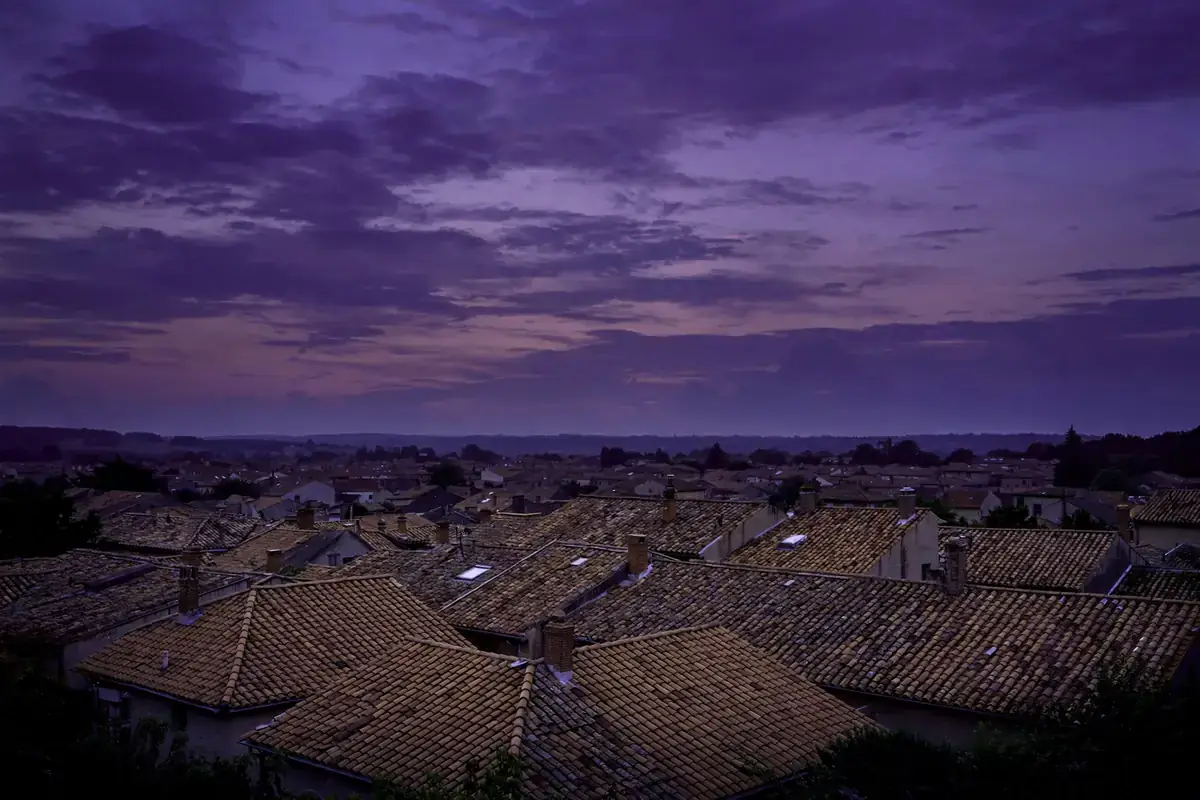
The Evening Adhkar in Arabic
اللَّهُمَّ بِكَ أَمْسَيْنَا، وَبِكَ أَصْبَحْنَا، وَبِكَ نَحْيَا، وَبِكَ نَمُوتُ، وَإِلَيْكَ الْمَصِيرُ
Allahumma bika amsayna, wa bika asbahna, wa bika nahya, wa bika namut, wa ilaykal-masir.
O Allah, by You we enter the evening, by You we enter the morning, by You we live, by You we die, and to You is our ultimate return.
اے اللہ! تیری ہی مدد سے ہم نے شام کی، تیری ہی مدد سے ہم صبح کرتے ہیں، تیری ہی مدد سے ہم جیتے ہیں اور تیری ہی مدد سے ہم مرتے ہیں، اور تیری ہی طرف ہمارا لوٹنا ہے۔
Sunan Abi Dawud 5068 • Jami’ at-Tirmidhi 3391, graded sahih
أَمْسَيْنَا وَأَمْسَى الْمُلْكُ لِلَّهِ، وَالْحَمْدُ لِلَّهِ، لَا إِلَهَ إِلَّا اللَّهُ وَحْدَهُ لَا شَرِيكَ لَهُ، لَهُ الْمُلْكُ وَلَهُ الْحَمْدُ وَهُوَ عَلَى كُلِّ شَيْءٍ قَدِيرٌ، رَبِّ أَسْأَلُكَ خَيْرَ مَا فِي هَذِهِ اللَّيْلَةِ وَخَيْرَ مَا بَعْدَهَا، وَأَعُوذُ بِكَ مِنْ شَرِّ مَا فِي هَذِهِ اللَّيْلَةِ وَشَرِّ مَا بَعْدَهَا، رَبِّ أَعُوذُ بِكَ مِنَ الْكَسَلِ وَسُوءِ الْكِبَرِ، رَبِّ أَعُوذُ بِكَ مِنْ عَذَابٍ فِي النَّارِ وَعَذَابٍ فِي الْقَبْرِ
Amsayna wa amsal-mulku lillah, wal-hamdu lillah, la ilaha illallahu wahdahu la sharika lah, lahul-mulku wa lahul-hamdu wa huwa ‘ala kulli shay’in qadir. Rabbi as’aluka khaira ma fi hadhihil-laylati wa khaira ma ba’dah, wa a’udhu bika min sharri ma fi hadhihil-laylati wa sharri ma ba’dah. Rabbi a’udhu bika minal-kasali wa su’il-kibar, rabbi a’udhu bika min ‘adhabin fin-nari wa ‘adhabin fil-qabr.
We have reached the evening and all dominion belongs to Allah; all praise is for Allah. There is no god but Allah alone, without partner; to Him belongs dominion and to Him belongs praise, and He is over all things capable. My Lord, I ask You for the good of this night and the good of what follows it, and I seek refuge in You from the evil of this night and the evil of what follows it. My Lord, I seek refuge in You from laziness and the troubles of old age. My Lord, I seek refuge in You from punishment in the Fire and punishment in the grave.
ہم نے شام کی اور ساری بادشاہت اللہ کی ہوئی، اور سب تعریف اللہ کے لیے ہے۔ اللہ کے سوا کوئی معبود نہیں، وہ اکیلا ہے، اس کا کوئی شریک نہیں، اسی کے لیے بادشاہت ہے اور اسی کے لیے تعریف ہے، اور وہ ہر چیز پر قادر ہے۔ اے میرے رب! میں تجھ سے اس رات کی بھلائی اور اس کے بعد کی بھلائی مانگتا ہوں، اور اس رات کے شر اور اس کے بعد کے شر سے تیری پناہ چاہتا ہوں۔ اے میرے رب! میں کاہلی اور بڑھاپے کی برائی سے تیری پناہ چاہتا ہوں۔ اے میرے رب! میں آگ کے عذاب اور قبر کے عذاب سے تیری پناہ چاہتا ہوں۔
Sahih Muslim 2723
أَعُوذُ بِكَلِمَاتِ اللَّهِ التَّامَّاتِ مِنْ شَرِّ مَا خَلَقَ
A’udhu bi kalimatillah-it-tammati min sharri ma khalaq.
I seek refuge in the perfect words of Allah from the evil of what He has created.
میں اللہ کے کامل کلمات کی پناہ چاہتا ہوں، اس کے پیدا کردہ ہر شر سے۔
Sahih Muslim 2709 • whoever says it in the evening will not be harmed that night

اللَّهُمَّ إِنِّي أَسْأَلُكَ الْعَفْوَ وَالْعَافِيَةَ فِي الدُّنْيَا وَالْآخِرَةِ، اللَّهُمَّ إِنِّي أَسْأَلُكَ الْعَفْوَ وَالْعَافِيَةَ فِي دِينِي وَدُنْيَايَ وَأَهْلِي وَمَالِي، اللَّهُمَّ اسْتُرْ عَوْرَاتِي وَآمِنْ رَوْعَاتِي، اللَّهُمَّ احْفَظْنِي مِنْ بَيْنِ يَدَيَّ وَمِنْ خَلْفِي وَعَنْ يَمِينِي وَعَنْ شِمَالِي وَمِنْ فَوْقِي، وَأَعُوذُ بِعَظَمَتِكَ أَنْ أُغْتَالَ مِنْ تَحْتِي
Allahumma inni as’alukal-‘afwa wal-‘afiyah fid-dunya wal-akhirah. Allahumma inni as’alukal-’afwa wal-‘afiyah fi dini wa dunyaya wa ahli wa mali. Allahumma-stur ‘awrati wa amin raw’ati. Allahumma-hfazni min bayni yadayya wa min khalfi wa ‘an yamini wa ‘an shimali wa min fawqi, wa a’udhu bi ‘azamatika an ughtala min tahti.
O Allah, I ask You for pardon and well-being in this world and the Hereafter. O Allah, I ask You for pardon and well-being in my religion, my worldly life, my family, and my wealth. O Allah, conceal my faults and calm my fears. O Allah, protect me from in front of me and behind me, from my right and from my left, and from above me, and I seek refuge in Your greatness from being taken unaware from beneath me.
اے اللہ! میں تجھ سے دنیا اور آخرت میں معافی اور عافیت مانگتا ہوں۔ اے اللہ! میں تجھ سے اپنے دین، اپنی دنیا، اپنے اہل اور اپنے مال کے بارے میں معافی اور عافیت مانگتا ہوں۔ اے اللہ! میری پردہ پوشی فرما اور میرے خوف دور فرما۔ اے اللہ! میری حفاظت فرما میرے سامنے سے اور میرے پیچھے سے، میرے دائیں سے اور میرے بائیں سے اور میرے اوپر سے، اور میں تیری عظمت کی پناہ چاہتا ہوں کہ میں نیچے سے اچانک پکڑا جاؤں۔
Sunan Abi Dawud 5074 • the Prophet never failed to say these words evening and morning (Ibn ‘Umar)
سُبْحَانَ اللَّهِ وَبِحَمْدِهِ
SubhanAllahi wa bihamdih.
Glory be to Allah and all praise is for Him. Say it one hundred times in the evening.
اللہ پاک ہے اور تمام تعریف اسی کے لیے ہے۔ شام کو سو مرتبہ کہیں۔
Sahih Muslim 2692 • also recite Ayatul Kursi and the three Quls three times each (Abu Dawud 5082)
Meaning Explained
The evening opens with the twin of the morning dua: Allahumma bika amsayna. Where the morning dua looked forward to the day, this one looks toward the night, and its final phrase changes from “to You is the resurrection” to “to You is our ultimate return” (al-masir). The difference is deliberate. The morning celebrates life given back; the evening prepares for the long night ahead.
A’udhu bi kalimatillah-it-tammati min sharri ma khalaq is one of the most relied-upon duas for protection. A man once came to the Prophet (peace be upon him) complaining that a scorpion had stung him in the night. The Prophet said that if he had said these words when evening came, it would not have harmed him. That is the promise attached to this short sentence: the night’s hidden harms cannot touch the one who seeks refuge in Allah’s perfect words.
The dua of Ibn ‘Umar, asking for ‘afiyah (well-being) in religion, worldly life, family, and wealth, is a complete shield. It asks Allah to cover faults, calm fears, and guard from every direction, from above and even from below. The Prophet never failed to say it morning and evening, which tells us how central he considered it to the believer’s daily armor.
Virtues and Benefits
The evening adhkar carry the same weight of reward as their morning counterparts. Whoever says SubhanAllahi wa bihamdihi one hundred times in the evening receives the same promise as in the morning (Sahih Muslim 2692). Whoever recites the three Quls three times in the evening will be sufficed for everything (Sunan Abi Dawud 5082). Ayatul Kursi in the evening guards the believer through the night, just as it does in the morning.
The ‘afiyah dua deserves special attention. Well-being is the one gift that makes every other gift enjoyable, and asking for it evening and morning is asking for it in full. Scholars note that this dua covers protection of faith, body, family, and wealth in a few lines, which is why the Prophet kept it so faithfully. It pairs naturally with our dua before sleeping, which completes the night’s protection before the eyes close.
When and How to Recite
The best time for the evening adhkar is between Asr and Maghrib, though they can be recited at any point in the evening. Many people read them right after Asr prayer or after Maghrib. Sit calmly, read each dhikr with understanding, and do not rush through the counts.
Begin with Allahumma bika amsayna, then Amsayna wa amsal-mulku lillah, A’udhu bi kalimatillah, the ‘afiyah dua, Ayatul Kursi, the three Quls three times each, and SubhanAllahi wa bihamdihi one hundred times. On busy evenings, shorten the set rather than skipping it entirely. A shorter habit kept daily is better than a long one abandoned.
FAQ
What is the difference between morning and evening adhkar?
Most of the duas are the same, but the opening phrase changes. In the morning you say Allahumma bika asbahna and end with “to You is the resurrection” (nushur), while in the evening you say Allahumma bika amsayna and end with “to You is our ultimate return” (masir). The evening set also adds the protection dua A’udhu bi kalimatillah, which is specific to the night.
What is the virtue of saying A’udhu bi kalimatillah in the evening?
The Prophet (peace be upon him) told a man stung by a scorpion that if he had said “A’udhu bi kalimatillah-it-tammati min sharri ma khalaq” when evening came, it would not have harmed him (Sahih Muslim 2709). It is a short but powerful refuge against the harms of the night.
When is the time for evening adhkar?
The ideal time is after Asr prayer until Maghrib, but they may be recited at any point in the evening. Many scholars allow reciting them after Maghrib too. What matters is keeping the habit daily, not hitting a perfect minute.
What does ‘afiyah mean in the evening dua?
‘Afiyah means well-being: safety in religion, body, family, and wealth, in this world and the Hereafter. It is one of the greatest things a believer can ask for, which is why the Prophet (peace be upon him) asked for it every single evening and morning without fail.
Can I recite evening adhkar after Maghrib?
Yes, it is acceptable. While after Asr is the preferred time, reciting them after Maghrib is still rewarded and better than missing them entirely. You can then move on to our dua before sleeping as the night closes.
Final Thoughts
The day began with Allah’s name, and it should end with Allah’s name. The evening adhkar are the closing of that circle: protection for the night, pardon for the day’s shortcomings, and a heart entrusted to its Keeper. Read them, and sleep under a shield that no harm can pierce.
Continue Reading
Pair these with the morning adhkar and the dua before sleeping, or browse the full collection on the Masnoon Duas hub.