
سُورَةُ إِبْرَاهِيمَ
Surah Ibrahim: Abraham’s Dua, Complete Guide with Arabic Text
Revelation
Revealed in Makkah
Verses
52 ayat, entirely in Juz 13
Surah No.
Fourteenth chapter of the Quran
Juz
Entirely within Juz 13
Surah Ibrahim is the fourteenth chapter of the Quran, a Makki surah of 52 verses contained entirely within Juz 13. It is named for the Prophet Ibrahim, whose heartfelt dua for his family and offspring fills its closing verses, and it is often called the chapter of gratitude: its central law, stated in verse 7, is that thankfulness increases blessings while ingratitude invites loss. Few surahs pack so much into so little space: the mission of revelation, the ingratitude of nations, the parable of the good word, Satan’s final speech, the terrors of the Last Day, and one of the most beloved duas in the Quran.
The surah opens with the purpose of revelation itself: a Book sent down “so that you may bring mankind out of darknesses into the light.” Everything that follows serves that purpose. Musa is recalled as the one who brought his people out of darkness; the nations who rejected their messengers are shown choosing darkness; the good word is a tree rooted in light; and Ibrahim’s dua is the prayer of a father desperate that his children stay in it. This guide covers the surah’s themes, its key verses, its famous dua, and the full Arabic text.
After Surah Ar-Ra’d‘s thunder and rain, Ibrahim turns inward to the heart’s own weather: gratitude and ingratitude, the two states that determine whether blessings grow or vanish. It is the surah for everyone who wants their blessings to last.
Themes and Key Topics of Surah Ibrahim
Ibrahim’s 52 verses circle five themes: the light of revelation, the law of gratitude, the fate of ungrateful nations, the parable of the two words, and the dua of Ibrahim. Each theme sharpens the others.
From Darknesses into Light
Verse 1 states the surah’s mission: the Book was sent down so that the Prophet may bring mankind “out of darknesses into the light,” by their Lord’s permission, to the path of the Exalted, the Praiseworthy. Note the plural: darknesses, many, against the singular light. Ignorance, idolatry, injustice, and despair are many; guidance is one. Musa is then recalled as the prophet given the same commission for his people, “bring your people out of darknesses into the light,” making every prophet’s mission one chapter of a single story. The surah’s every warning and promise serves this movement from plural darkness to singular light.
The Law of Gratitude (14:7)
Verse 7 states the surah’s central law in the form of a divine proclamation: “If you are grateful, I will surely increase you; but if you deny, indeed, My punishment is severe.” Gratitude here is not politeness but recognition, acknowledging the Giver behind the gift, and the increase is stated as a certainty, emphasized threefold in the Arabic. The surah then shows the law working in history: the nations that denied Allah’s favors, despite messengers and signs, were destroyed, while gratitude is presented as the mechanism by which blessings compound. The verse is recited as both promise and warning, and it has made the surah the Quran’s chapter of shukr.
The Nations That Denied
Verses 9 to 17 recall the peoples of Nuh, ‘Ad, and Thamud, and those after them whom none knows but Allah. Their messengers came with clear proofs, and they put their hands over their mouths, a gesture of silencing, and said, “We deny what you were sent with.” The surah records their argument, that messengers are only men, and the messengers’ answer, that Allah favors whom He wills, and then describes their end: the wrongdoers are destroyed and the earth is inherited by those who feared standing before Allah. The passage is the surah’s proof of the gratitude law: denial of the Giver ends in the removal of the gifts.
The Good Word and the Evil Word
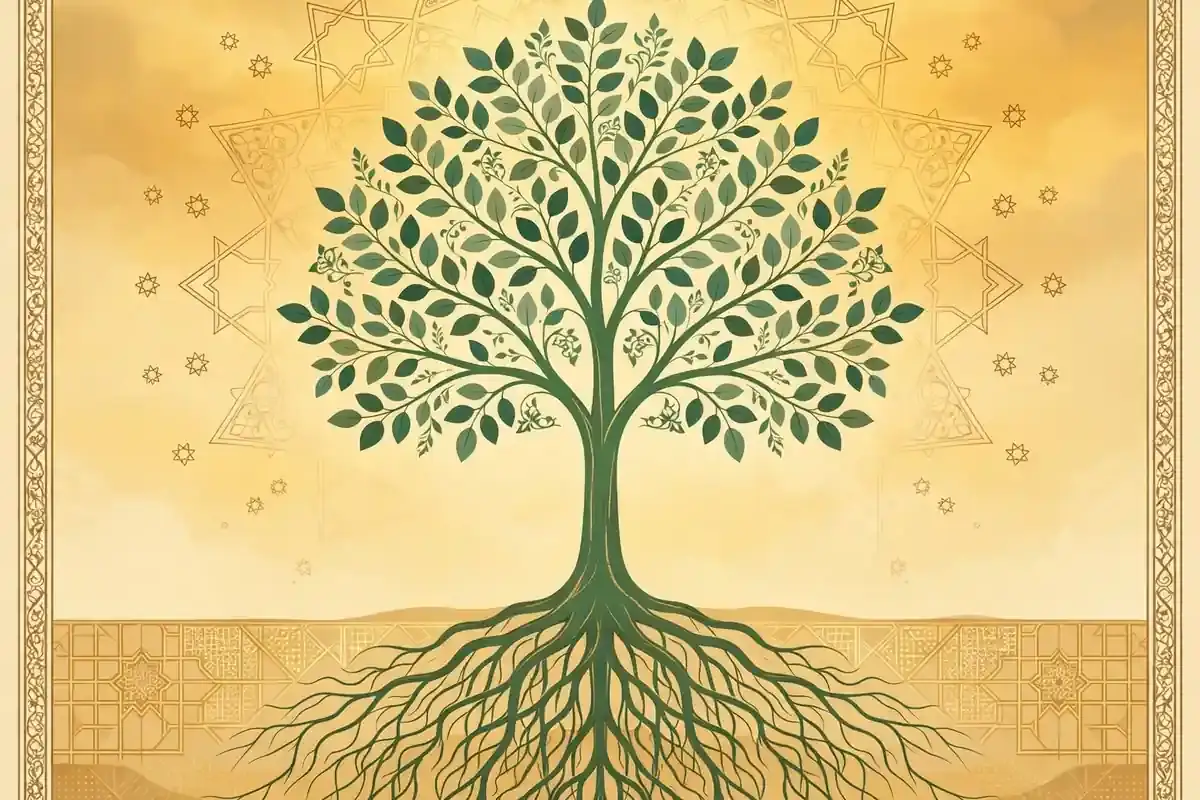
Verses 24 to 27 give the surah’s most famous parable. The good word, the testimony of faith and every true speech, is like a good tree: its root is firm, its branches reach the sky, it gives its fruit every season by its Lord’s permission. The evil word is like an evil tree, uprooted from the surface of the earth, with no stability. The parable explains why truth endures and falsehood collapses: one is rooted, the other is not. Verse 27 then promises that Allah keeps firm those who believe, with the firm word, in this life and the Hereafter, the verse recited for steadfastness at death and in the grave.
Satan’s Farewell Speech (14:22)
Verse 22 stages the scene after judgment is decided: Satan addresses his followers and disowns them. He admits he had no authority over them except that he invited and they responded; he declares himself free of their worship of him; and he tells them to blame themselves, not him. It is the Quran’s most devastating exposure of misplaced blame: the tempter confesses he was only a voice, and the followers discover they were the ones who obeyed. The surah places this speech right after the parable of the trees, as if to show the evil tree’s final fruit.
The Dua of Ibrahim (14:35-41)
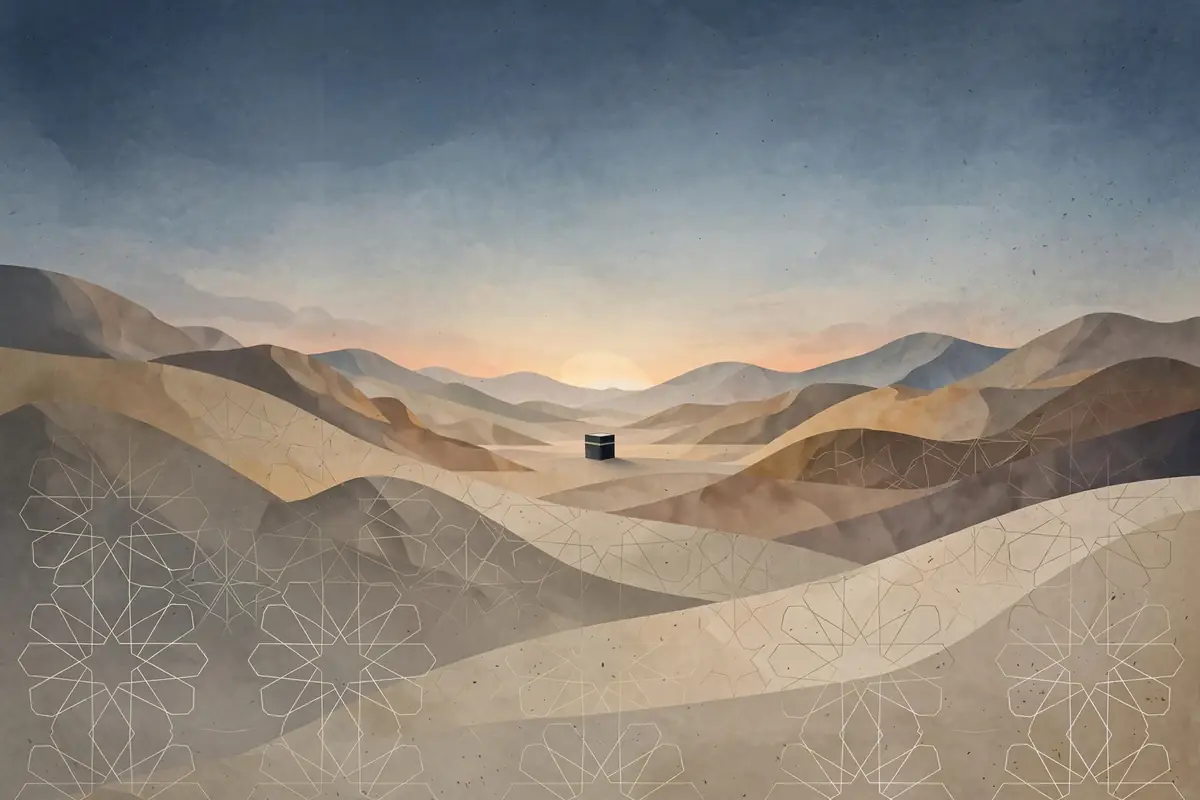
The surah’s closing passage is one of the most beloved duas in the Quran, and it deserves its own section. Standing in the barren valley of Makkah, having left his wife and infant son there by Allah’s command, Ibrahim prays, and his prayer is a masterclass in what to ask for.
He begins with security for the city and protection from idolatry, for himself and his sons, acknowledging that idols have led many astray. He describes leaving his offspring in an uncultivated valley near Allah’s sacred house, and asks that He make hearts incline toward them and provide them with fruits, “so that they may be grateful,” tying his personal dua back to the surah’s great theme. He praises Allah for granting him Isma’il and Ishaq in old age, then prays the verse every parent knows by heart: “My Lord, make me an establisher of prayer, and from my descendants. Our Lord, and accept my supplication.” He closes by asking forgiveness for himself, his parents, and the believers on the Day of account.
The dua’s order is its teaching: safety before sustenance, faith before family, gratitude as the purpose of provision, prayer as the legacy to leave one’s children, and forgiveness as the final word. It is recited by parents for their children, by travelers for safety, and by everyone who wants to pray the way a prophet prayed.
Virtues and Benefits of Surah Ibrahim
Ibrahim’s virtue is practical: it rewires the reader’s relationship with blessings. Verse 7’s law of gratitude is recited as a daily reminder that thankfulness is not a feeling but a strategy, the mechanism by which Allah increases His favors. Readers who adopt the verse report its effect in the most ordinary things: food tastes like a gift again, health feels like a trust, and the anxious arithmetic of “enough” gives way to the calm of “alhamdulillah.”
The surah is also a fortress of the heart. Verse 27’s promise that Allah keeps the believers firm with the firm word is recited for steadfastness in faith, at times of doubt, and for the deceased. The parable of the good tree gives the believer an image of what faith should look like: rooted, growing, fruitful in every season. And Ibrahim’s dua provides words for the deepest parental longing: that one’s children pray.
Finally, the surah warns with unusual vividness. Its descriptions of the Last Day, the wrongdoers with their eyes staring in horror, the boiling water, Satan’s disowning speech, are meant to be frightening, and they work. The surah holds gratitude and terror in balance: the same Allah who multiplies thanks punishes denial severely. Reading it whole is an education in both.
Key Verses Explained
The verses of Ibrahim that are most memorized and most quoted.
If You Are Grateful, I Will Increase You (14:7)
وَإِذْ تَأَذَّنَ رَبُّكُمْ لَئِن شَكَرْتُمْ لَأَزِيدَنَّكُمْ ۖ وَلَئِن كَفَرْتُمْ إِنَّ عَذَابِى لَشَدِيدٌۭ
“And [remember] when your Lord proclaimed, ‘If you are grateful, I will surely increase you [in favor]; but if you deny, indeed, My punishment is severe.’ “” (14:7)
The surah’s thesis in a single verse. The proclamation form, “when your Lord proclaimed,” gives it the weight of a universal law, and the Arabic triples the emphasis on the increase. Commentators note the pairing: gratitude (shukr) is set against denial (kufr), the same word as disbelief, teaching that ingratitude is not bad manners but a spiritual disease with the same root as unbelief. The verse is the surah’s promise and its warning in one breath.
The Good Tree (14:24-25)
أَلَمْ تَرَ كَيْفَ ضَرَبَ ٱللَّهُ مَثَلًۭا كَلِمَةًۭ طَيِّبَةًۭ كَشَجَرَةٍۢ طَيِّبَةٍ أَصْلُهَا ثَابِتٌۭ وَفَرْعُهَا فِى ٱلسَّمَآءِ تُؤْتِىٓ أُكُلَهَا كُلَّ حِينٍۭ بِإِذْنِ رَبِّهَا ۗ وَيَضْرِبُ ٱللَّهُ ٱلْأَمْثَالَ لِلنَّاسِ لَعَلَّهُمْ يَتَذَكَّرُونَ
“Have you not considered how Allah presents an example, [making] a good word like a good tree, whose root is firmly fixed and its branches [high] in the sky? It produces its fruit all the time, by permission of its Lord. And Allah presents examples for the people that perhaps they will be reminded.” (14:24–25)
The Quran’s most quoted parable of faith. The good word, rooted in the heart like the tree’s roots in the earth, grows upward into righteous deeds and gives fruit “every time,” in every season, by Allah’s permission. The parable answers the question of why some faith lasts and some withers: depth of root determines height of growth. It is recited to encourage steadfastness and cited in every discussion of sincerity.
Allah Keeps the Believers Firm (14:27)
يُثَبِّتُ ٱللَّهُ ٱلَّذِينَ ءَامَنُوا۟ بِٱلْقَوْلِ ٱلثَّابِتِ فِى ٱلْحَيَوٰةِ ٱلدُّنْيَا وَفِى ٱلْءَاخِرَةِ ۖ وَيُضِلُّ ٱللَّهُ ٱلظَّٰلِمِينَ ۚ وَيَفْعَلُ ٱللَّهُ مَا يَشَآءُ
“Allah keeps firm those who believe, with the firm word, in worldly life and in the Hereafter. And Allah sends astray the wrongdoers. And Allah does what He wills.” (14:27)
The verse of steadfastness, recited for firmness in faith in this life and for the deceased in the grave, where the “firm word” is the testimony of faith. The pairing is precise: Allah keeps firm those who believe, and He sends astray the wrongdoers, showing that firmness is both a divine gift and a human choice. The verse closes with “Allah does what He wills,” the surah’s reminder that all of it, guidance and misguidance, is in His hand.
Make Me an Establisher of Prayer (14:40)
رَبِّ ٱجْعَلْنِى مُقِيمَ ٱلصَّلَوٰةِ وَمِن ذُرِّيَّتِى ۚ رَبَّنَا وَتَقَبَّلْ دُعَآءِ
“My Lord, make me an establisher of prayer, and [many] from my descendants. Our Lord, and accept my supplication.” (14:40)
The line of Ibrahim’s dua that every parent knows. He does not ask for his children’s wealth, health, or success, but for their prayer, and he includes himself first: “make me an establisher of prayer, and from my descendants.” The verse teaches that the greatest legacy is not what you leave your children but what you plant in them, and it ends with the simplest of requests: “accept my supplication.”
Count the Favors and You Cannot (14:34)
وَءَاتَىٰكُم مِّن كُلِّ مَا سَأَلْتُمُوهُ ۚ وَإِن تَعُدُّوا۟ نِعْمَتَ ٱللَّهِ لَا تُحْصُوهَآ ۗ إِنَّ ٱلْإِنسَٰنَ لَظَلُومٌۭ كَفَّارٌۭ
“And He gave you from all you asked of Him. And if you should count the favor of Allah, you could not enumerate them. Indeed, mankind is [generally] most unjust and ungrateful.” (14:34)
The surah’s quietest devastating verse. After listing Allah’s cosmic favors, the sun, the moon, the night, the day, the verse states the arithmetic of gratitude: you cannot count them, so you cannot repay them, so gratitude must be a posture, not a payment. The verse ends with the human paradox, “indeed, mankind is unjust and ungrateful,” the diagnosis the whole surah has been treating.
Read the Complete Surah in Arabic
Here is the complete Arabic text of Surah Ibrahim, all 52 verses in the Uthmani script, each with transliteration, English translation, and Urdu translation, so you can read the entire chapter right here. Read verses 35 to 41 slowly; they are among the most beautiful duas in the Quran.
1 الٓر ۚ كِتَٰبٌ أَنزَلْنَٰهُ إِلَيْكَ لِتُخْرِجَ ٱلنَّاسَ مِنَ ٱلظُّلُمَٰتِ إِلَى ٱلنُّورِ بِإِذْنِ رَبِّهِمْ إِلَىٰ صِرَٰطِ ٱلْعَزِيزِ ٱلْحَمِيدِ
1:1 Alif-Laaam-Raa; Kitaabun anzalnaahu ilaika litukhrijan-naasa minaz zulumaati ilan noori bi-izni Rabbihim ilaa siraatil 'Azeezil Hameed
Alif, Lam, Ra. [This is] a Book which We have revealed to you, [O Muhammad], that you might bring mankind out of darknesses into the light by permission of their Lord – to the path of the Exalted in Might, the Praiseworthy –
الرٰ! یہ عالی شان کتاب ہم نے آپ کی طرف اتاری ہے کہ آپ لوگوں کو اندھیروں سے اجالے کی طرف ﻻئیں، ان کے پروردگار کے حکم سے، زبردست اور تعریفوں والے اللہ کی طرف
2 ٱللَّهِ ٱلَّذِى لَهُۥ مَا فِى ٱلسَّمَٰوَٰتِ وَمَا فِى ٱلْأَرْضِ ۗ وَوَيْلٌۭ لِّلْكَٰفِرِينَ مِنْ عَذَابٍۢ شَدِيدٍ
2:2 Allaahil lazee lahoo maa fis samaawaati wa maa fill ard; wa wailul lilkaafireena min 'azaabin shadeed
Allah, to whom belongs whatever is in the heavens and whatever is on the earth. And woe to the disbelievers from a severe punishment
جس اللہ کا ہے جو کچھ آسمانوں اور زمین میں ہے۔ اور کافروں کے لئے تو سخت عذاب کی خرابی ہے
3 ٱلَّذِينَ يَسْتَحِبُّونَ ٱلْحَيَوٰةَ ٱلدُّنْيَا عَلَى ٱلْءَاخِرَةِ وَيَصُدُّونَ عَن سَبِيلِ ٱللَّهِ وَيَبْغُونَهَا عِوَجًا ۚ أُو۟لَٰٓئِكَ فِى ضَلَٰلٍۭ بَعِيدٍۢ
3:3 Allazeena yastahibboo nal hayaatad dunyaa 'alal aakhirati wa yasuddoona 'ansabeelil laahi wa yabghoonahaa 'iwajaa; ulaaa 'ika fee dalaalim ba'eed
The ones who prefer the worldly life over the Hereafter and avert [people] from the way of Allah, seeking to make it (seem) deviant. Those are in extreme error.
جو آخرت کے مقابلے میں دنیوی زندگی کو پسند رکھتے ہیں اور اللہ کی راہ سے روکتے ہیں اور اس میں ٹیڑھ پن پیدا کرنا چاہتے ہیں۔ یہی لوگ پرلے درجے کی گمراہی میں ہیں
4 وَمَآ أَرْسَلْنَا مِن رَّسُولٍ إِلَّا بِلِسَانِ قَوْمِهِۦ لِيُبَيِّنَ لَهُمْ ۖ فَيُضِلُّ ٱللَّهُ مَن يَشَآءُ وَيَهْدِى مَن يَشَآءُ ۚ وَهُوَ ٱلْعَزِيزُ ٱلْحَكِيمُ
4:4 Wa maaa arsalnaa mir Rasoolin illaa bilisaani qawmihee liyubaiyina lahum faiudillul laahu mai yashaaa'u wa yahde mai yashaaa'; wa Huwal 'Azeezul Hakeem
And We did not send any messenger except [speaking] in the language of his people to state clearly for them, and Allah sends astray [thereby] whom He wills and guides whom He wills. And He is the Exalted in Might, the Wise.
ہم نے ہر ہر نبی کو اس کی قومی زبان میں ہی بھیجا ہے تاکہ ان کے سامنے وضاحت سے بیان کر دے۔ اب اللہ جسے چاہے گمراہ کر دے، اور جسے چاہے راہ دکھا دے، وہ غلبہ اور حکمت والا ہے
5 وَلَقَدْ أَرْسَلْنَا مُوسَىٰ بِـَٔايَٰتِنَآ أَنْ أَخْرِجْ قَوْمَكَ مِنَ ٱلظُّلُمَٰتِ إِلَى ٱلنُّورِ وَذَكِّرْهُم بِأَيَّىٰمِ ٱللَّهِ ۚ إِنَّ فِى ذَٰلِكَ لَءَايَٰتٍۢ لِّكُلِّ صَبَّارٍۢ شَكُورٍۢ
5:5 Wa laqad arsalnaa Moosaa bi Aayaatinaa an akhrij qawmaka minaz zulumaati ilan noori wa zak kirhum bi ayyaamil laah; inna fee zaalika la aayaatil likulli sabbaarin shakoor
And We certainly sent Moses with Our signs, [saying], "Bring out your people from darknesses into the light and remind them of the days of Allah." Indeed in that are signs for everyone patient and grateful.
(یاد رکھو جب کہ) ہم نے موسیٰ کو اپنی نشانیاں دے کر بھیجا کہ تو اپنی قوم کو اندھیروں سے روشنی میں نکال اور انہیں اللہ کے احسانات یاد دلا۔ اس میں نشانیاں ہیں ہر ایک صبر شکر کرنے والے کے لئے
6 وَإِذْ قَالَ مُوسَىٰ لِقَوْمِهِ ٱذْكُرُوا۟ نِعْمَةَ ٱللَّهِ عَلَيْكُمْ إِذْ أَنجَىٰكُم مِّنْ ءَالِ فِرْعَوْنَ يَسُومُونَكُمْ سُوٓءَ ٱلْعَذَابِ وَيُذَبِّحُونَ أَبْنَآءَكُمْ وَيَسْتَحْيُونَ نِسَآءَكُمْ ۚ وَفِى ذَٰلِكُم بَلَآءٌۭ مِّن رَّبِّكُمْ عَظِيمٌۭ
6:6 Wa iz qaala Moosaa liqawmihiz kuroo ni'matal laahi 'alaikum iz anjaakum min Aali Fir'awna yasoomoo nakum sooo'al 'azaabi wa yuzabbihoona abnaaa'akum wa yastahyoona nisaaa'akum; wa fee zaalikum balaaa'um mir Rabbikum 'azeem
And [recall, O Children of Israel], when Moses said to His people, "Remember the favor of Allah upon you when He saved you from the people of Pharaoh, who were afflicting you with the worst torment and were slaughtering your [newborn] sons and keeping your females alive. And in that was a great trial from your Lord.
جس وقت موسیٰ نے اپنی قوم سے کہا کہ اللہ کے وہ احسانات یاد کرو جو اس نے تم پر کیے ہیں، جبکہ اس نے تمہیں فرعونیوں سے نجات دی جو تمہیں بڑے دکھ پہنچاتے تھے۔ تمہارے لڑکوں کو قتل کرتے تھے اور تمہاری لڑکیوں کو زندہ چھوڑتے تھے، اس میں تمہارے رب کی طرف سے تم پر بہت بڑی آزمائش تھی
7 وَإِذْ تَأَذَّنَ رَبُّكُمْ لَئِن شَكَرْتُمْ لَأَزِيدَنَّكُمْ ۖ وَلَئِن كَفَرْتُمْ إِنَّ عَذَابِى لَشَدِيدٌۭ
7:7 Wa iz ta azzana Rabbukum la'in shakartum la azeedannakum wa la'in kafartum inn'azaabee lashadeed
And [remember] when your Lord proclaimed, 'If you are grateful, I will surely increase you [in favor]; but if you deny, indeed, My punishment is severe.' "
اور جب تمہارے پروردگار نے تمہیں آگاہ کر دیا کہ اگر تم شکر گزاری کرو گے تو بیشک میں تمہیں زیادہ دوں گا اور اگر تم ناشکری کرو گے تو یقیناً میرا عذاب بہت سخت ہے
8 وَقَالَ مُوسَىٰٓ إِن تَكْفُرُوٓا۟ أَنتُمْ وَمَن فِى ٱلْأَرْضِ جَمِيعًۭا فَإِنَّ ٱللَّهَ لَغَنِىٌّ حَمِيدٌ
8:8 Wa qaala Moosaaa in takfurooo antum wa man fil ardi jamee'an fa innal laaha la Ghaniyyun Hameed
And Moses said, "If you should disbelieve, you and whoever is on the earth entirely – indeed, Allah is Free of need and Praiseworthy."
موسیٰ (علیہ السلام) نے کہا کہ اگر تم سب اور روئے زمین کے تمام انسان اللہ کی ناشکری کریں تو بھی اللہ بے نیاز اور تعریفوں والا ہے
9 أَلَمْ يَأْتِكُمْ نَبَؤُا۟ ٱلَّذِينَ مِن قَبْلِكُمْ قَوْمِ نُوحٍۢ وَعَادٍۢ وَثَمُودَ ۛ وَٱلَّذِينَ مِنۢ بَعْدِهِمْ ۛ لَا يَعْلَمُهُمْ إِلَّا ٱللَّهُ ۚ جَآءَتْهُمْ رُسُلُهُم بِٱلْبَيِّنَٰتِ فَرَدُّوٓا۟ أَيْدِيَهُمْ فِىٓ أَفْوَٰهِهِمْ وَقَالُوٓا۟ إِنَّا كَفَرْنَا بِمَآ أُرْسِلْتُم بِهِۦ وَإِنَّا لَفِى شَكٍّۢ مِّمَّا تَدْعُونَنَآ إِلَيْهِ مُرِيبٍۢ
9:9 Alam yaatikum naba'ul lazeena min qablikum qawmi Noohinw wa 'Aadinw wa Samood, wallazeena mim ba'dihim; laa ya'lamuhum illallaah; jaaa'at hum Rusuluhum bilbaiyinaati faraddooo aydiyahum feee afwaahihim wa qaalooo innaa kafarnaa bimaaa ursiltum bihee wa innaa lafee shakkim mimmaa tad'oonanaaa ilaihi mureeb
Has there not reached you the news of those before you – the people of Noah and 'Aad and Thamud and those after them? No one knows them but Allah. Their messengers brought them clear proofs, but they returned their hands to their mouths and said, "Indeed, we disbelieve in that with which you have been sent, and indeed we are, about that to which you invite us, in disquieting doubt."
کیا تمہارے پاس تم سے پہلے کے لوگوں کی خبریں نہیں آئیں؟ یعنی قوم نوح کی اور عاد وثمود کی اور ان کے بعد والوں کی جنہیں سوائے اللہ تعالیٰ کے اور کوئی نہیں جانتا، ان کے پاس ان کے رسول معجزے لائے، لیکن انہوں نے اپنے ہاتھ اپنے منہ میں دبالیے اور صاف کہہ دیا کہ جو کچھ تمہیں دے کر بھیجا گیا ہے ہم اس کے منکر ہیں اور جس چیز کی طرف تم ہمیں بلا رہے ہو ہمیں تو اس میں بڑا بھاری شبہ ہے
10 ۞ قَالَتْ رُسُلُهُمْ أَفِى ٱللَّهِ شَكٌّۭ فَاطِرِ ٱلسَّمَٰوَٰتِ وَٱلْأَرْضِ ۖ يَدْعُوكُمْ لِيَغْفِرَ لَكُم مِّن ذُنُوبِكُمْ وَيُؤَخِّرَكُمْ إِلَىٰٓ أَجَلٍۢ مُّسَمًّۭى ۚ قَالُوٓا۟ إِنْ أَنتُمْ إِلَّا بَشَرٌۭ مِّثْلُنَا تُرِيدُونَ أَن تَصُدُّونَا عَمَّا كَانَ يَعْبُدُ ءَابَآؤُنَا فَأْتُونَا بِسُلْطَٰنٍۢ مُّبِينٍۢ
10:10 Qaalat Rusuluhum afillaahi shakkun faatiris samaawaati wal ardi yad'ookum liyaghfira lakum min zunoobikum wa yu'akhkhirakum ilaaa ajalim musam maa; qaaloo in antum illaa basharum mislunaa tureedoona an tasuddoonaa 'ammaa kaana ya'budu aabaaa'unaa faatoonaa bisul taanim mubeen
Their messengers said, "Can there be doubt about Allah, Creator of the heavens and earth? He invites you that He may forgive you of your sins, and He delays your death for a specified term." They said, "You are not but men like us who wish to avert us from what our fathers were worshipping. So bring us a clear authority."
ان کے رسولوں نے انہیں کہا کہ کیا حق تعالیٰ کے بارے میں تمہیں شک ہے جو آسمانوں اور زمین کا بنانے والا ہے وہ تو تمہیں اس لئے بلا رہا ہے کہ تمہارے گناہ معاف فرما دے، اور ایک مقرر وقت تک تمہیں مہلت عطا فرمائے، انہوں نے کہا کہ تم تو ہم جیسے ہی انسان ہو تم چاہتے ہو کہ ہمیں ان خداؤں کی عبادت سے روک دو جن کی عبادت ہمارے باپ دادا کرتے رہے۔ اچھا تو ہمارے سامنے کوئی کھلی دلیل پیش کرو
11 قَالَتْ لَهُمْ رُسُلُهُمْ إِن نَّحْنُ إِلَّا بَشَرٌۭ مِّثْلُكُمْ وَلَٰكِنَّ ٱللَّهَ يَمُنُّ عَلَىٰ مَن يَشَآءُ مِنْ عِبَادِهِۦ ۖ وَمَا كَانَ لَنَآ أَن نَّأْتِيَكُم بِسُلْطَٰنٍ إِلَّا بِإِذْنِ ٱللَّهِ ۚ وَعَلَى ٱللَّهِ فَلْيَتَوَكَّلِ ٱلْمُؤْمِنُونَ
11:11 Qaalat lahum Rusuluhum in nahnu illaa basharum mislukum wa laakinnal laaha yamunnu 'alaa mai yashaaa'u min 'ibaadihee wa maa kaana lanaaa an naatiyakum bisul taanin illaa bi iznil laah; wa 'alal laahi falyatawakkalil mu'minonn
Their messengers said to them, "We are only men like you, but Allah confers favor upon whom He wills of His servants. It has never been for us to bring you evidence except by permission of Allah. And upon Allah let the believers rely.
ان کے پیغمبروں نے ان سے کہا کہ یہ تو سچ ہے کہ ہم تم جیسے ہی انسان ہیں لیکن اللہ تعالیٰ اپنے بندوں میں سے جس پر چاہتا ہے اپنا فضل کرتا ہے۔ اللہ کے حکم کے بغیر ہماری مجال نہیں کہ ہم کوئی معجزہ تمہیں لا دکھائیں اور ایمان والوں کو صرف اللہ تعالیٰ ہی پر بھروسہ رکھنا چاہئے
12 وَمَا لَنَآ أَلَّا نَتَوَكَّلَ عَلَى ٱللَّهِ وَقَدْ هَدَىٰنَا سُبُلَنَا ۚ وَلَنَصْبِرَنَّ عَلَىٰ مَآ ءَاذَيْتُمُونَا ۚ وَعَلَى ٱللَّهِ فَلْيَتَوَكَّلِ ٱلْمُتَوَكِّلُونَ
12:12 Wa maa lanaa allaa natawakkala 'alal laahi wa qad hadaanaa subulanaa; wa lanasbiranna 'alaa maaa aazaitumoonaa; wa 'alal laahi falyatawakkalil mutawakkiloon
And why should we not rely upon Allah while He has guided us to our [good] ways. And we will surely be patient against whatever harm you should cause us. And upon Allah let those who would rely [indeed] rely."
آخر کیا وجہ ہے کہ ہم اللہ تعالیٰ پر بھروسہ نہ رکھیں جبکہ اسی نے ہمیں ہماری راہیں سمجھائی ہیں۔ واللہ جو ایذائیں تم ہمیں دو گے ہم ان پر صبر ہی کریں گے۔ توکل کرنے والوں کو یہی لائق ہے کہ اللہ ہی پر توکل کریں
13 وَقَالَ ٱلَّذِينَ كَفَرُوا۟ لِرُسُلِهِمْ لَنُخْرِجَنَّكُم مِّنْ أَرْضِنَآ أَوْ لَتَعُودُنَّ فِى مِلَّتِنَا ۖ فَأَوْحَىٰٓ إِلَيْهِمْ رَبُّهُمْ لَنُهْلِكَنَّ ٱلظَّٰلِمِينَ
13:13 Wa qaalal lazeena kafaroo li Rusulihim lanukhrijanna kum min aardinaaa aw lata'oo dunna fee millatinaa fa awhaaa ilaihim Rabbuhum lanuhlikannaz zalimeen
And those who disbelieved said to their messengers, "We will surely drive you out of our land, or you must return to our religion." So their Lord inspired to them, "We will surely destroy the wrongdoers.
کافروں نے اپنے رسولوں سے کہا کہ ہم تمہیں ملک بدر کر دیں گے یا تم پھر سے ہمارے مذہب میں لوٹ آؤ۔ تو ان کے پروردگار نے ان کی طرف وحی بھیجی کہ ہم ان ﻇالموں کو ہی غارت کر دیں گے
14 وَلَنُسْكِنَنَّكُمُ ٱلْأَرْضَ مِنۢ بَعْدِهِمْ ۚ ذَٰلِكَ لِمَنْ خَافَ مَقَامِى وَخَافَ وَعِيدِ
14:14 Wa lanuskinan nakumul arda mim ba'dihim; zaalika liman khaafa maqaamee wa khaafa wa'eed
And We will surely cause you to dwell in the land after them. That is for he who fears My position and fears My threat."
اور ان کے بعد ہم خود تمہیں اس زمین میں بسائیں گے۔ یہ ہے ان کے لئے جو میرے سامنے کھڑے ہونے کا ڈر رکھیں اور میری وعید سے خوفزدہ رہیں
15 وَٱسْتَفْتَحُوا۟ وَخَابَ كُلُّ جَبَّارٍ عَنِيدٍۢ
15:15 Wastaftahoo wa khaaba kullu jabbaarin 'aneed
And they requested victory from Allah, and disappointed, [therefore], was every obstinate tyrant.
اور انہوں نے فیصلہ طلب کیا اور تمام سرکش ضدی لوگ نامراد ہوگئے
16 مِّن وَرَآئِهِۦ جَهَنَّمُ وَيُسْقَىٰ مِن مَّآءٍۢ صَدِيدٍۢ
16:16 Minw waraaa'ihee jahannamu wa yusqaa mim maaa'in sadeed
Before him is Hell, and he will be given a drink of purulent water.
اس کے سامنے دوزخ ہے جہاں وہ پیپ کا پانی پلایا جائے گا
17 يَتَجَرَّعُهُۥ وَلَا يَكَادُ يُسِيغُهُۥ وَيَأْتِيهِ ٱلْمَوْتُ مِن كُلِّ مَكَانٍۢ وَمَا هُوَ بِمَيِّتٍۢ ۖ وَمِن وَرَآئِهِۦ عَذَابٌ غَلِيظٌۭ
17:17 Yatajarra'uhoo wa laa yakaadu yuseeghuhoo wa yaateehil mawtu min kulli makaaninw wa maa huwa bimaiyitinw wa minw waraaa'ihee 'azaabun ghaleez
He will gulp it but will hardly [be able to] swallow it. And death will come to him from everywhere, but he is not to die. And before him is a massive punishment.
جسے بمشکل گھونٹ گھونٹ پئے گا۔ پھر بھی اسے گلے سے اتار نہ سکے گا اور اسے ہر جگہ سے موت آتی دکھائی دے گی لیکن وہ مرنے والا نہیں۔ پھر اس کے پیچھے بھی سخت عذاب ہے
18 مَّثَلُ ٱلَّذِينَ كَفَرُوا۟ بِرَبِّهِمْ ۖ أَعْمَٰلُهُمْ كَرَمَادٍ ٱشْتَدَّتْ بِهِ ٱلرِّيحُ فِى يَوْمٍ عَاصِفٍۢ ۖ لَّا يَقْدِرُونَ مِمَّا كَسَبُوا۟ عَلَىٰ شَىْءٍۢ ۚ ذَٰلِكَ هُوَ ٱلضَّلَٰلُ ٱلْبَعِيدُ
18:18 Masalul lazeena kafaroo bi Rabbihim a'maaluhum karamaadinish taddat bihir reehu fee yawmin 'aasif; laa yaqdiroona mimmaa kasaboo 'alaa shai'; zaalika huwad dalaalul ba'eed
The example of those who disbelieve in their Lord is [that] their deeds are like ashes which the wind blows forcefully on a stormy day; they are unable [to keep] from what they earned a [single] thing. That is what is extreme error.
ان لوگوں کی مثال جنہوں نے اپنے پالنے والے سے کفر کیا، ان کے اعمال مثل اس راکھ کے ہیں جس پر تیز ہوا آندھی والے دن چلے۔ جو بھی انہوں نے کیا اس میں سے کسی چیز پر قادر نہ ہوں گے، یہی دور کی گمراہی ہے
19 أَلَمْ تَرَ أَنَّ ٱللَّهَ خَلَقَ ٱلسَّمَٰوَٰتِ وَٱلْأَرْضَ بِٱلْحَقِّ ۚ إِن يَشَأْ يُذْهِبْكُمْ وَيَأْتِ بِخَلْقٍۢ جَدِيدٍۢ
19:19 Alam tara annal laaha khalaqas samaawaati wal arda bilhaqq; iny yashaa yuzhibkum wa yaati bikhalqin jadeed
Have you not seen that Allah created the heavens and the earth in truth? If He wills, He can do away with you and produce a new creation.
کیا تو نے نہیں دیکھا کہ اللہ تعالیٰ نے آسمانوں کو اور زمین کو بہترین تدبیر کے ساتھ پیدا کیا ہے۔ اگر وہ چاہے تو تم سب کو فنا کردے اور نئی مخلوق لائے
20 وَمَا ذَٰلِكَ عَلَى ٱللَّهِ بِعَزِيزٍۢ
20:20 Wa maa zaalika 'alal laahi bi 'azeez
And that is not difficult for Allah.
اللہ پر یہ کام کچھ بھی مشکل نہیں
21 وَبَرَزُوا۟ لِلَّهِ جَمِيعًۭا فَقَالَ ٱلضُّعَفَٰٓؤُا۟ لِلَّذِينَ ٱسْتَكْبَرُوٓا۟ إِنَّا كُنَّا لَكُمْ تَبَعًۭا فَهَلْ أَنتُم مُّغْنُونَ عَنَّا مِنْ عَذَابِ ٱللَّهِ مِن شَىْءٍۢ ۚ قَالُوا۟ لَوْ هَدَىٰنَا ٱللَّهُ لَهَدَيْنَٰكُمْ ۖ سَوَآءٌ عَلَيْنَآ أَجَزِعْنَآ أَمْ صَبَرْنَا مَا لَنَا مِن مَّحِيصٍۢ
21:21 Wa barazoo lillaahi jamee'an faqaalad du'afaaa'u lillazeenas takbarooo innaa kunnaa lakum taba'an fahal antum mughnoona 'annaa min 'azaabil laahi min shai'; qaaloo law hadaanal laahu lahadai naakum sawaaa'un 'alainaaa ajazi'naa am sabarnaa maa lanaa mim mahees
And they will come out [for judgement] before Allah all together, and the weak will say to those who were arrogant, "Indeed, we were your followers, so can you avail us anything against the punishment of Allah?" They will say, "If Allah had guided us, we would have guided you. It is all the same for us whether we show intolerance or are patient: there is for us no place of escape."
سب کے سب اللہ کے سامنے روبرو کھڑے ہوں گے۔ اس وقت کمزور لوگ بڑائی والوں سے کہیں گے کہ ہم تو تمہارے تابعدار تھے، تو کیا تم اللہ کے عذابوں میں سے کچھ عذاب ہم سے دور کرسکنے والے ہو؟ وہ جواب دیں گے کہ اگر اللہ ہمیں ہدایت دیتا تو ہم بھی ضرور تمہاری رہنمائی کرتے، اب تو ہم پر بے قراری کرنا اور صبر کرنا دونوں ہی برابر ہے ہمارے لیے کوئی چھٹکارا نہیں
22 وَقَالَ ٱلشَّيْطَٰنُ لَمَّا قُضِىَ ٱلْأَمْرُ إِنَّ ٱللَّهَ وَعَدَكُمْ وَعْدَ ٱلْحَقِّ وَوَعَدتُّكُمْ فَأَخْلَفْتُكُمْ ۖ وَمَا كَانَ لِىَ عَلَيْكُم مِّن سُلْطَٰنٍ إِلَّآ أَن دَعَوْتُكُمْ فَٱسْتَجَبْتُمْ لِى ۖ فَلَا تَلُومُونِى وَلُومُوٓا۟ أَنفُسَكُم ۖ مَّآ أَنَا۠ بِمُصْرِخِكُمْ وَمَآ أَنتُم بِمُصْرِخِىَّ ۖ إِنِّى كَفَرْتُ بِمَآ أَشْرَكْتُمُونِ مِن قَبْلُ ۗ إِنَّ ٱلظَّٰلِمِينَ لَهُمْ عَذَابٌ أَلِيمٌۭ
22:22 Wa qaalash Shaitaanu lammaa qudiyal amru innal laaha wa'adakum wa'dal haqqi wa wa'attukum faakhlaftukum wa maa kaana liya 'alaikum min sultaanin illaaa an da'awtukum fastajabtum lee falaa taloomoonee wa loomooo anfusakum maaa ana bimusrikhikum wa maaa antum bimusrikhiyya innee kafartu bimaaa ashraktumooni min qabl; innaz zaalimeena lahum azaabun aleem
And Satan will say when the matter has been concluded, "Indeed, Allah had promised you the promise of truth. And I promised you, but I betrayed you. But I had no authority over you except that I invited you, and you responded to me. So do not blame me; but blame yourselves. I cannot be called to your aid, nor can you be called to my aid. Indeed, I deny your association of me [with Allah] before. Indeed, for the wrongdoers is a painful punishment."
جب اور کام کا فیصلہ کردیا جائے گا تو شیطان کہے گا کہ اللہ نے تو تمہیں سچا وعدہ دیا تھا اور میں نے تم سے جو وعدے کیے تھے ان کے خلاف کیا، میرا تم پر کوئی دباؤ تو تھا ہی نہیں، ہاں میں نے تمہیں پکارا اور تم نے میری مان لی، پس تم مجھے الزام نہ لگاؤ بلکہ خود اپنے آپ کو ملامت کرو، نہ میں تمہارا فریاد رس اور نہ تم میری فریاد کو پہنچنے والے، میں تو سرے سے مانتا ہی نہیں کہ تم مجھے اس سے پہلے اللہ کا شریک مانتے رہے، یقیناً ﻇالموں کے لیے دردناک عذاب ہے
23 وَأُدْخِلَ ٱلَّذِينَ ءَامَنُوا۟ وَعَمِلُوا۟ ٱلصَّٰلِحَٰتِ جَنَّٰتٍۢ تَجْرِى مِن تَحْتِهَا ٱلْأَنْهَٰرُ خَٰلِدِينَ فِيهَا بِإِذْنِ رَبِّهِمْ ۖ تَحِيَّتُهُمْ فِيهَا سَلَٰمٌ
23:23 Wa udkhilal lazeena aamanoo wa 'amilus saalihaati Jannaatin tajree min tahtihal anhaaru khaalideena feehaa bi izni Rabbihim tahiyyatuhum feeha salaam
And those who believed and did righteous deeds will be admitted to gardens beneath which rivers flow, abiding eternally therein by permission of their Lord; and their greeting therein will be, "Peace!"
جو لوگ ایمان لائے اور نیک عمل کیے وہ ان جنتوں میں داخل کیے جائیں گے جن کے نیچے چشمے جاری ہیں جہاں انہیں ہمیشگی ہوگی اپنے رب کے حکم سے۔ جہاں ان کا خیر مقدم سلام سے ہوگا
24 أَلَمْ تَرَ كَيْفَ ضَرَبَ ٱللَّهُ مَثَلًۭا كَلِمَةًۭ طَيِّبَةًۭ كَشَجَرَةٍۢ طَيِّبَةٍ أَصْلُهَا ثَابِتٌۭ وَفَرْعُهَا فِى ٱلسَّمَآءِ
24:24 Alam tara kaifa darabal laahu masalan kalimatan taiyibatan kashajaratin taiyibatin asluhaa saabitunw wa far'uhaa fis samaaa'
Have you not considered how Allah presents an example, [making] a good word like a good tree, whose root is firmly fixed and its branches [high] in the sky?
کیا آپ نے نہیں دیکھا کہ اللہ تعالیٰ نے پاکیزہ بات کی مثال کس طرح بیان فرمائی، مثل ایک پاکیزہ درخت کے جس کی جڑ مضبوط ہے اور جس کی ٹہنیاں آسمان میں ہیں
25 تُؤْتِىٓ أُكُلَهَا كُلَّ حِينٍۭ بِإِذْنِ رَبِّهَا ۗ وَيَضْرِبُ ٱللَّهُ ٱلْأَمْثَالَ لِلنَّاسِ لَعَلَّهُمْ يَتَذَكَّرُونَ
25:25 Tu'teee ukulahaa kulla heenim bi izni Rabbihaa; wa yadribul laahul amsaala linnaasi la'allahum yatazak karoon
It produces its fruit all the time, by permission of its Lord. And Allah presents examples for the people that perhaps they will be reminded.
جو اپنے پروردگار کے حکم سے ہر وقت اپنے پھل لاتا ہے، اور اللہ تعالیٰ لوگوں کے سامنے مثالیں بیان فرماتا ہے تاکہ وہ نصیحت حاصل کریں
26 وَمَثَلُ كَلِمَةٍ خَبِيثَةٍۢ كَشَجَرَةٍ خَبِيثَةٍ ٱجْتُثَّتْ مِن فَوْقِ ٱلْأَرْضِ مَا لَهَا مِن قَرَارٍۢ
26:26 Wa masalu kalimatin khabeesatin kashajaratin khabee satinij tussat min fawqil ardi maa lahaa min qaraar
And the example of a bad word is like a bad tree, uprooted from the surface of the earth, not having any stability.
اور ناپاک بات کی مثال گندے درخت جیسی ہے جو زمین کے کچھ ہی اوپر سے اکھاڑ لیا گیا۔ اسے کچھ ثبات تو ہے نہیں
27 يُثَبِّتُ ٱللَّهُ ٱلَّذِينَ ءَامَنُوا۟ بِٱلْقَوْلِ ٱلثَّابِتِ فِى ٱلْحَيَوٰةِ ٱلدُّنْيَا وَفِى ٱلْءَاخِرَةِ ۖ وَيُضِلُّ ٱللَّهُ ٱلظَّٰلِمِينَ ۚ وَيَفْعَلُ ٱللَّهُ مَا يَشَآءُ
27:27 Yusabbitul laahul lazeena aamanoo bilqawlis saabiti fil hayaatid dunyaa wa fil Aakhirati wa yudillul laahuz zaalimeen; wa yaf'alul laahu maa yashaaa'
Allah keeps firm those who believe, with the firm word, in worldly life and in the Hereafter. And Allah sends astray the wrongdoers. And Allah does what He wills.
ایمان والوں کو اللہ تعالیٰ پکی بات کے ساتھ مضبوط رکھتا ہے، دنیا کی زندگی میں بھی اور آخرت میں بھی، ہاں ناانصاف لوگوں کو اللہ بہکا دیتا ہے اور اللہ جو چاہے کر گزرے
28 ۞ أَلَمْ تَرَ إِلَى ٱلَّذِينَ بَدَّلُوا۟ نِعْمَتَ ٱللَّهِ كُفْرًۭا وَأَحَلُّوا۟ قَوْمَهُمْ دَارَ ٱلْبَوَارِ
28:28 Alam tara ilal lazeena baddaloo ni'matal laahi kufranw wa ahalloo qawmahum daaral bawaar
Have you not considered those who exchanged the favor of Allah for disbelief and settled their people [in] the home of ruin?
کیا آپ نے ان کی طرف نظر نہیں ڈالی جنہوں نے اللہ کی نعمت کے بدلے ناشکری کی اور اپنی قوم کو ہلاکت کے گھر میں لا اتارا
29 جَهَنَّمَ يَصْلَوْنَهَا ۖ وَبِئْسَ ٱلْقَرَارُ
29:29 Jahannama yaslawnahaa wa bi'sal qaraar
[It is] Hell, which they will [enter to] burn, and wretched is the settlement.
یعنی دوزخ میں جس میں یہ سب جائیں گے، جو بدترین ٹھکانا ہے
30 وَجَعَلُوا۟ لِلَّهِ أَندَادًۭا لِّيُضِلُّوا۟ عَن سَبِيلِهِۦ ۗ قُلْ تَمَتَّعُوا۟ فَإِنَّ مَصِيرَكُمْ إِلَى ٱلنَّارِ
30:30 Wa ja'aloo lillaahi andaadal liyudilloo 'an sabeelih; qul tamatta'oo fa innaa maseerakum ilan Naar
And they have attributed to Allah equals to mislead [people] from His way. Say, "Enjoy yourselves, for indeed, your destination is the Fire."
انہوں نے اللہ کے ہمسر بنالیے کہ لوگوں کو اللہ کی راہ سے بہکائیں۔ آپ کہہ دیجئے کہ خیر مزے کرلو تمہاری بازگشت تو آخر جہنم ہی ہے
31 قُل لِّعِبَادِىَ ٱلَّذِينَ ءَامَنُوا۟ يُقِيمُوا۟ ٱلصَّلَوٰةَ وَيُنفِقُوا۟ مِمَّا رَزَقْنَٰهُمْ سِرًّۭا وَعَلَانِيَةًۭ مِّن قَبْلِ أَن يَأْتِىَ يَوْمٌۭ لَّا بَيْعٌۭ فِيهِ وَلَا خِلَٰلٌ
31:31 Qul li'ibaadiyal lazeena aamanoo yuqeemus Salaata wa yunfiqoo mimmaa razaqnaahum sirranw wa 'alaaniyatam min qabli any yaatiya Yawmul laa bai'un feehi wa laa khilaal
[O Muhammad], tell My servants who have believed to establish prayer and spend from what We have provided them, secretly and publicly, before a Day comes in which there will be no exchange, nor any friendships.
میرے ایمان والے بندوں سے کہہ دیجئے کہ نمازوں کو قائم رکھیں اور جو کچھ ہم نے انہیں دے رکھا ہے اس میں سے کچھ نہ کچھ پوشیدہ اور ظاہر خرچ کرتے رہیں اس سے پہلے کہ وہ دن آجائے جس میں نہ خرید وفروخت ہوگی نہ دوستی اور محبت
32 ٱللَّهُ ٱلَّذِى خَلَقَ ٱلسَّمَٰوَٰتِ وَٱلْأَرْضَ وَأَنزَلَ مِنَ ٱلسَّمَآءِ مَآءًۭ فَأَخْرَجَ بِهِۦ مِنَ ٱلثَّمَرَٰتِ رِزْقًۭا لَّكُمْ ۖ وَسَخَّرَ لَكُمُ ٱلْفُلْكَ لِتَجْرِىَ فِى ٱلْبَحْرِ بِأَمْرِهِۦ ۖ وَسَخَّرَ لَكُمُ ٱلْأَنْهَٰرَ
32:32 Allaahul lazee khalaqas samaawaati wal arda wa anzala minas samaaa'i maaa'an faakhraja bihee minas samaraati rizqal lakum wa sakhkhara lakumul fulka litajriya fil bahri bi amrihee wa sakhkhara lakumul anhaar
It is Allah who created the heavens and the earth and sent down rain from the sky and produced thereby some fruits as provision for you and subjected for you the ships to sail through the sea by His command and subjected for you the rivers.
اللہ وہ ہے جس نے آسمانوں اور زمین کو پیدا کیا ہے اور آسمانوں سے بارش برسا کر اس کے ذریعے سے تمہاری روزی کے لیے پھل نکالے ہیں اور کشتیوں کو تمہارے بس میں کردیا ہے کہ دریاؤں میں اس کے حکم سے چلیں پھریں۔ اسی نے ندیاں اور نہریں تمہارے اختیار میں کردی ہیں
33 وَسَخَّرَ لَكُمُ ٱلشَّمْسَ وَٱلْقَمَرَ دَآئِبَيْنِ ۖ وَسَخَّرَ لَكُمُ ٱلَّيْلَ وَٱلنَّهَارَ
33:33 Wa sakhkhara lakumush shamsa walqamara daaa'ibaini wa sakhkhara lakumul laila wannahaar
And He subjected for you the sun and the moon, continuous [in orbit], and subjected for you the night and the day.
اسی نے تمہارے لیے سورج چاند کو مسخر کردیا ہے کہ برابر ہی چل رہے ہیں اور رات دن کو بھی تمہارے کام میں لگا رکھا ہے
34 وَءَاتَىٰكُم مِّن كُلِّ مَا سَأَلْتُمُوهُ ۚ وَإِن تَعُدُّوا۟ نِعْمَتَ ٱللَّهِ لَا تُحْصُوهَآ ۗ إِنَّ ٱلْإِنسَٰنَ لَظَلُومٌۭ كَفَّارٌۭ
34:34 Wa aataakum min kulli maa sa altumooh; wa in ta'uddoo ni'matal laahi laa tuhsoohaa; innal insaana lazaloo mun kaffaar
And He gave you from all you asked of Him. And if you should count the favor of Allah, you could not enumerate them. Indeed, mankind is [generally] most unjust and ungrateful.
اسی نے تمہیں تمہاری منہ مانگی کل چیزوں میں سے دے رکھا ہے۔ اگر تم اللہ کے احسان گننا چاہو تو انہیں پورے گن بھی نہیں سکتے۔ یقیناً انسان بڑا ہی بے انصاف اور ناشکرا ہے
35 وَإِذْ قَالَ إِبْرَٰهِيمُ رَبِّ ٱجْعَلْ هَٰذَا ٱلْبَلَدَ ءَامِنًۭا وَٱجْنُبْنِى وَبَنِىَّ أَن نَّعْبُدَ ٱلْأَصْنَامَ
35:35 Wa iz qaala Ibraaheemu Rabbij 'al haazal balada aaminanw wajnubnee wa baniyya an na'budal asnaam
And [mention, O Muhammad], when Abraham said, "My Lord, make this city [Makkah] secure and keep me and my sons away from worshipping idols.
(ابراہیم کی یہ دعا بھی یاد کرو) جب انہوں نے کہا کہ اے میرے پروردگار! اس شہر کو امن والا بنادے، اور مجھے اور میری اولاد کو بت پرستی سے پناہ دے۔
36 رَبِّ إِنَّهُنَّ أَضْلَلْنَ كَثِيرًۭا مِّنَ ٱلنَّاسِ ۖ فَمَن تَبِعَنِى فَإِنَّهُۥ مِنِّى ۖ وَمَنْ عَصَانِى فَإِنَّكَ غَفُورٌۭ رَّحِيمٌۭ
36:36 Rabbi innahunna adlalna kaseeram minan naasi faman tabi'anee fa innahoo minnee wa man 'asaanee fa innaka Ghafoorur Raheem
My Lord, indeed they have led astray many among the people. So whoever follows me – then he is of me; and whoever disobeys me – indeed, You are [yet] Forgiving and Merciful.
اے میرے پالنے والے معبود! انہوں نے بہت سے لوگوں کو راہ سے بھٹکا دیا ہے۔ پس میری تابعداری کرنے والا میرا ہے اور جو میری نافرمانی کرے تو تو بہت ہی معاف اور کرم کرنے والا ہے۔
37 رَّبَّنَآ إِنِّىٓ أَسْكَنتُ مِن ذُرِّيَّتِى بِوَادٍ غَيْرِ ذِى زَرْعٍ عِندَ بَيْتِكَ ٱلْمُحَرَّمِ رَبَّنَا لِيُقِيمُوا۟ ٱلصَّلَوٰةَ فَٱجْعَلْ أَفْـِٔدَةًۭ مِّنَ ٱلنَّاسِ تَهْوِىٓ إِلَيْهِمْ وَٱرْزُقْهُم مِّنَ ٱلثَّمَرَٰتِ لَعَلَّهُمْ يَشْكُرُونَ
37:37 Rabbanaaa inneee askantu min zurriyyatee biwaadin ghairi zee zar'in 'inda Baitikal Muharrami Rabbanaa liyuqeemus Salaata faj'al af'idatam minan naasi tahweee ilaihim warzuqhum minas samaraati la'allahum yashkuroon
Our Lord, I have settled some of my descendants in an uncultivated valley near Your sacred House, our Lord, that they may establish prayer. So make hearts among the people incline toward them and provide for them from the fruits that they might be grateful.
اے ہمارے پروردگار! میں نے اپنی کچھ اولاد اس بے کھیتی کی وادی میں تیرے حرمت والے گھر کے پاس بسائی ہے۔ اے ہمارے پروردگار! یہ اس لیے کہ وہ نماز قائم رکھیں، پس تو کچھ لوگوں کے دلوں کو ان کی طرف مائل کردے۔ اور انہیں پھلوں کی روزیاں عنایت فرما تاکہ یہ شکر گزاری کریں
38 رَبَّنَآ إِنَّكَ تَعْلَمُ مَا نُخْفِى وَمَا نُعْلِنُ ۗ وَمَا يَخْفَىٰ عَلَى ٱللَّهِ مِن شَىْءٍۢ فِى ٱلْأَرْضِ وَلَا فِى ٱلسَّمَآءِ
38:38 Rabbanaaa innaka ta'lamu maa nukhfee wa maa nu'lin; wa maa yakhfaa 'alal laahi min shai'in fil ardi wa laa fis samaaa'
Our Lord, indeed You know what we conceal and what we declare, and nothing is hidden from Allah on the earth or in the heaven.
اے ہمارے پروردگار! تو خوب جانتا ہے جو ہم چھپائیں اور جو ظاہر کریں۔ زمین و آسمان کی کوئی چیز اللہ پر پوشیدہ نہیں
39 ٱلْحَمْدُ لِلَّهِ ٱلَّذِى وَهَبَ لِى عَلَى ٱلْكِبَرِ إِسْمَٰعِيلَ وَإِسْحَٰقَ ۚ إِنَّ رَبِّى لَسَمِيعُ ٱلدُّعَآءِ
39:39 Alhamdu lillaahil lazee wahaba lee 'alal kibari Ismaa'eela wa Ishaaq; inna Rabbee lasamee'ud du'aaa
Praise to Allah, who has granted to me in old age Ishmael and Isaac. Indeed, my Lord is the Hearer of supplication.
اللہ کا شکر ہے جس نے مجھے اس بڑھاپے میں اسماعیل واسحاق (علیہما السلام) عطا فرمائے۔ کچھ شک نہیں کہ میرا پالنہار اللہ دعاؤں کا سننے والا ہے
40 رَبِّ ٱجْعَلْنِى مُقِيمَ ٱلصَّلَوٰةِ وَمِن ذُرِّيَّتِى ۚ رَبَّنَا وَتَقَبَّلْ دُعَآءِ
40:40 Rabbij 'alnee muqeemas Salaati wa min zurriyyatee Rabbanaa wa taqabbal du'aaa'
My Lord, make me an establisher of prayer, and [many] from my descendants. Our Lord, and accept my supplication.
اے میرے پالنے والے! مجھے نماز کا پابند رکھ اور میری اولاد سے بھی، اے ہمارے رب میری دعا قبول فرما
41 رَبَّنَا ٱغْفِرْ لِى وَلِوَٰلِدَىَّ وَلِلْمُؤْمِنِينَ يَوْمَ يَقُومُ ٱلْحِسَابُ
41:41 Rabbanagh fir lee wa liwaalidaiya wa lilmu'mineena Yawma yaqoomul hisaab
Our Lord, forgive me and my parents and the believers the Day the account is established."
اے ہمارے پروردگار! مجھے بخش دے اور میرے ماں باپ کو بھی بخش اور دیگر مومنوں کو بھی بخش جس دن حساب ہونے لگے
42 وَلَا تَحْسَبَنَّ ٱللَّهَ غَٰفِلًا عَمَّا يَعْمَلُ ٱلظَّٰلِمُونَ ۚ إِنَّمَا يُؤَخِّرُهُمْ لِيَوْمٍۢ تَشْخَصُ فِيهِ ٱلْأَبْصَٰرُ
42:42 Wa laa tahsabannal laaha ghaafilan 'ammaa ya'maluz zaalimoon; innamaa yu'akh khiruhum li Yawmin tashkhasu feehil absaar
And never think that Allah is unaware of what the wrongdoers do. He only delays them for a Day when eyes will stare [in horror].
ناانصافوں کے اعمال سے اللہ کو غافل نہ سمجھ وہ تو انہیں اس دن تک مہلت دیے ہوئے ہے جس دن آنکھیں پھٹی کی پھٹی رہ جائیں گی
43 مُهْطِعِينَ مُقْنِعِى رُءُوسِهِمْ لَا يَرْتَدُّ إِلَيْهِمْ طَرْفُهُمْ ۖ وَأَفْـِٔدَتُهُمْ هَوَآءٌۭ
43:43 Muhti'eena muqni'ee ru'oosihim laa yartaddu ilaihim tarfuhum wa af'idatuhum hawaaa'
Racing ahead, their heads raised up, their glance does not come back to them, and their hearts are void.
وہ اپنے سر اوپر اٹھائے دوڑ بھاگ کر رہے ہوں گے، خود اپنی طرف بھی ان کی نگاہیں نہ لوٹیں گی اور ان کے دل خالی اور اڑے ہوئے ہوں گے
44 وَأَنذِرِ ٱلنَّاسَ يَوْمَ يَأْتِيهِمُ ٱلْعَذَابُ فَيَقُولُ ٱلَّذِينَ ظَلَمُوا۟ رَبَّنَآ أَخِّرْنَآ إِلَىٰٓ أَجَلٍۢ قَرِيبٍۢ نُّجِبْ دَعْوَتَكَ وَنَتَّبِعِ ٱلرُّسُلَ ۗ أَوَلَمْ تَكُونُوٓا۟ أَقْسَمْتُم مِّن قَبْلُ مَا لَكُم مِّن زَوَالٍۢ
44:44 Wa anzirin naasa Yawma yaateehimul 'azaabu fa yaqoolul lazeena zalamoo Rabbanaaa akhkhirnaaa ilaaa ajalin qareebin nujib da'wataka wa nattabi 'ir Rusul; awalam takoonooo aqsamtum min qablu maa lakum min zawaal
And, [O Muhammad], warn the people of a Day when the punishment will come to them and those who did wrong will say, "Our Lord, delay us for a short term; we will answer Your call and follow the messengers." [But it will be said], "Had you not sworn, before, that for you there would be no cessation?
لوگوں کو اس دن سے ہوشیار کردے جب کہ ان کے پاس عذاب آجائے گا، اور ظالم کہیں گے کہ اے ہمارے رب ہمیں بہت تھوڑے قریب کے وقت تک کی ہی مہلت دے کہ ہم تیری تبلیغ مان لیں اور تیرے پیغمبروں کی تابعداری میں لگ جائیں۔ کیا تم اس سے پہلے بھی قسمیں نہیں کھا رہے تھے؟ کہ تمہارے لیے دنیا سے ٹلنا ہی نہیں
45 وَسَكَنتُمْ فِى مَسَٰكِنِ ٱلَّذِينَ ظَلَمُوٓا۟ أَنفُسَهُمْ وَتَبَيَّنَ لَكُمْ كَيْفَ فَعَلْنَا بِهِمْ وَضَرَبْنَا لَكُمُ ٱلْأَمْثَالَ
45:45 Wa sakantum fee masaakinil lazeena zalamooo anfusahum wa tabaiyana lakum kaifa fa'alnaa bihim wa darabnaa lakumul amsaal
And you lived among the dwellings of those who wronged themselves, and it had become clear to you how We dealt with them. And We presented for you [many] examples."
اور کیا تم ان لوگوں کے گھروں میں رہتے سہتے نہ تھے جنہوں نے اپنی جانوں پر ظلم کیا اور کیا تم پر وہ معاملہ کھلا نہیں کہ ہم نے ان کے ساتھ کیسا کچھ کیا۔ ہم نے تو (تمہارے سمجھانے کو) بہت سی مثالیں بیان کردی تھیں
46 وَقَدْ مَكَرُوا۟ مَكْرَهُمْ وَعِندَ ٱللَّهِ مَكْرُهُمْ وَإِن كَانَ مَكْرُهُمْ لِتَزُولَ مِنْهُ ٱلْجِبَالُ
46:46 Wa qad makaroo makrahum wa 'indal laahi makruhum wa in kaana makruhum litazoola minhul jibaal
And they had planned their plan, but with Allah is [recorded] their plan, even if their plan had been [sufficient] to do away with the mountains.
یہ اپنی اپنی چالیں چل رہے ہیں اور اللہ کو ان کی تمام چالوں کا علم ہے اور ان کی چالیں ایسی نہ تھیں کہ ان سے پہاڑ اپنی جگہ سے ٹل جائیں
47 فَلَا تَحْسَبَنَّ ٱللَّهَ مُخْلِفَ وَعْدِهِۦ رُسُلَهُۥٓ ۗ إِنَّ ٱللَّهَ عَزِيزٌۭ ذُو ٱنتِقَامٍۢ
47:47 Falaa tahsabannal laaha mukhlifa wa'dihee Rusulah; innal laaha 'azeezun zuntiqaam
So never think that Allah will fail in His promise to His messengers. Indeed, Allah is Exalted in Might and Owner of Retribution.
آپ ہرگز یہ خیال نہ کریں کہ اللہ اپنے نبیوں سے وعدہ خلافی کرے گا، اللہ بڑا ہی غالب اور بدلہ لینے والا ہے
48 يَوْمَ تُبَدَّلُ ٱلْأَرْضُ غَيْرَ ٱلْأَرْضِ وَٱلسَّمَٰوَٰتُ ۖ وَبَرَزُوا۟ لِلَّهِ ٱلْوَٰحِدِ ٱلْقَهَّارِ
48:48 Yawma tubaddalul ardu ghairal ardi wassamaawaatu wa barazoo lillaahil Waahidil Qahhaar
[It will be] on the Day the earth will be replaced by another earth, and the heavens [as well], and all creatures will come out before Allah, the One, the Prevailing.
جس دن زمین اس زمین کے سوا اور ہی بدل دی جائے گی اور آسمان بھی، اور سب کے سب اللہ واحد غلبے والے کے روبرو ہوں گے
49 وَتَرَى ٱلْمُجْرِمِينَ يَوْمَئِذٍۢ مُّقَرَّنِينَ فِى ٱلْأَصْفَادِ
49:49 Wa taral mujrimeena Yawma 'izim muqarraneena filasfaad
And you will see the criminals that Day bound together in shackles,
آپ اس دن گناہ گاروں کو دیکھیں گے کہ زنجیروں میں ملے جلے ایک جگہ جکڑے ہوئے ہوں گے
50 سَرَابِيلُهُم مِّن قَطِرَانٍۢ وَتَغْشَىٰ وُجُوهَهُمُ ٱلنَّارُ
50:50 Saraabeeluhum min qatiraaninw wa taghshaa wujoohahumun Naar
Their garments of liquid pitch and their faces covered by the Fire.
ان کے لباس گندھک کے ہوں گے اور آگ ان کے چہروں پر بھی چڑھی ہوئی ہوگی
51 لِيَجْزِىَ ٱللَّهُ كُلَّ نَفْسٍۢ مَّا كَسَبَتْ ۚ إِنَّ ٱللَّهَ سَرِيعُ ٱلْحِسَابِ
51:51 Liyajziyal laahu kulla nafsim maa kasabat; innal laaha saree'ul hisaab
So that Allah will recompense every soul for what it earned. Indeed, Allah is swift in account.
یہ اس لیے کہ اللہ تعالیٰ ہر شخص کو اس کے کیے ہوئے اعمال کا بدلہ دے، بیشک اللہ تعالیٰ کو حساب لیتے کچھ دیر نہیں لگنے کی
52 هَٰذَا بَلَٰغٌۭ لِّلنَّاسِ وَلِيُنذَرُوا۟ بِهِۦ وَلِيَعْلَمُوٓا۟ أَنَّمَا هُوَ إِلَٰهٌۭ وَٰحِدٌۭ وَلِيَذَّكَّرَ أُو۟لُوا۟ ٱلْأَلْبَٰبِ
52:52 Haaza balaaghul linnaasi wa liyunzaroo bihee wa liya'lamooo annamaa Huwa Illaahunw Waahidunw wa liyaz zakkara ulul albaab
This [Qur'an] is notification for the people that they may be warned thereby and that they may know that He is but one God and that those of understanding will be reminded.
یہ قرآن تمام لوگوں کے لیے اطلاع نامہ ہے کہ اس کے ذریعہ سے وہ ہوشیار کر دیے جائیں اور بخوبی معلوم کرلیں کہ اللہ ایک ہی معبود ہے اور تاکہ عقلمند لوگ سوچ سمجھ لیں
FAQ
Why is Surah Ibrahim named after Prophet Ibrahim?
The surah’s closing verses, 35 to 41, contain Ibrahim’s famous dua for Makkah, his offspring, and the believers. His prayer for his children to establish prayer and stay from idolatry is one of the most beloved supplications in the Quran, and it gives the surah its name and its emotional center.
What does “if you are grateful, I will surely increase you” mean?
Verse 7 states a divine law: gratitude for Allah’s blessings, expressed through recognition, obedience, and use of blessings in His service, causes Allah to increase those blessings. Ingratitude, which shares its Arabic root with disbelief, closes the door to increase and invites severe consequence. The verse is the surah’s central promise and warning.
What is the parable of the good tree?
Verses 24 to 25 compare the good word, the testimony of faith and all true speech, to a good tree with firm roots, branches reaching the sky, and fruit in every season. The evil word is like an uprooted, unstable tree. The parable teaches that truth endures because it is rooted, while falsehood collapses because it is not.
Is Surah Ibrahim Makki or Madani?
It is a Makki surah, revealed in Makkah before the migration. Its themes, the oneness of Allah, gratitude, the stories of past nations, and the reality of the Last Day, are characteristic of Makkan revelation. All 52 verses lie within Juz 13.
What did Ibrahim ask for in his dua?
In verses 35 to 41, Ibrahim asks for Makkah’s security, protection from idol worship for himself and his sons, provision and grateful hearts for his offspring, and then the famous request: “My Lord, make me an establisher of prayer, and from my descendants.” He closes by asking forgiveness for himself, his parents, and the believers on the Day of account.
What is Satan’s speech in Surah Ibrahim?
Verse 22 records Satan’s address to his followers after judgment: he admits he had no authority over them except invitation, disowns their worship of him, and tells them to blame themselves. It is the Quran’s final exposure of the tempter, showing that he was only a voice and that obedience was the followers’ own choice.
Final Thoughts
Surah Ibrahim is the Quran’s school of gratitude, and its final exam is a father’s prayer. Everything in it points to the same truth: blessings grow with thanks and wither with denial, the good word roots deep and fruits in every season, and the best thing you can ask for your children is prayer. Take verse 7 as your law, verses 24 to 25 as your image, and verses 35 to 41 as your words, and let Ibrahim’s dua become your own. Continue with Surah Al-Hijr, the final chapter of this series, where Allah promises to guard the Quran itself and comforts the Prophet until certainty comes.
Continue reading
Next in this series: Surah Al-Hijr: The Rocky Tract, on the preservation of the Quran and the final comfort. Or browse every chapter on the Surah Guides hub.
Sources and further reading
- Surah Ibrahim on Quran.com, Arabic text with translations and tafsir resources
- Sunnah.com, searchable hadith collections for verifying narrations about the surahs
- Surah Ibrahim: lessons of faith and gratitude (Planet92), thematic study