
دُعَاءُ دُخُولِ الْمَنْزِل
Dua for Entering the Home: Arabic Text, Meaning, and Home Protection
At a Glance
Sunan Abi Dawud 5096, narrated by Abu Malik al-Ash’ari
At the door, the moment you enter your home
Shaytan finds no lodging in a home entered with Allah’s name
Greet your family with salam after the dua
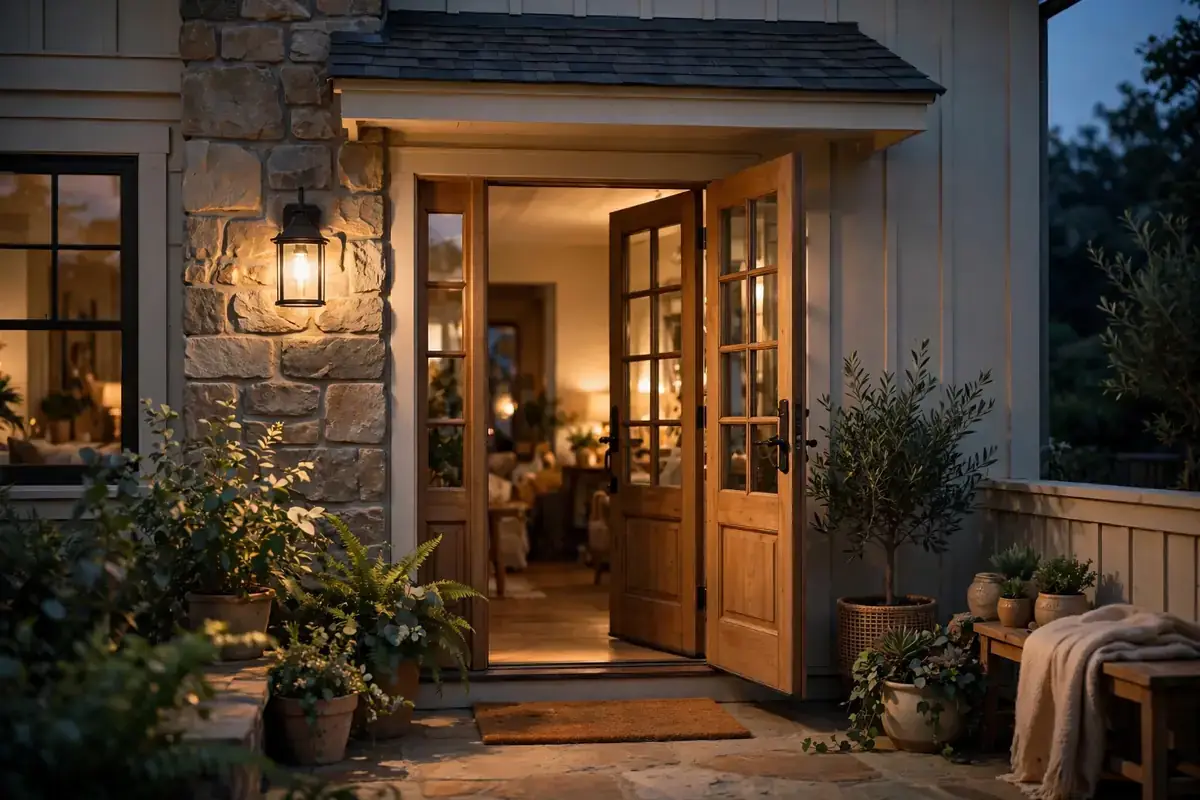
The home is a Muslim’s sanctuary, and the Prophet Muhammad (peace be upon him) taught that its protection begins at the threshold. A short dua said on entering, with Allah’s name on the tongue, turns the doorway into a barrier that Shaytan cannot cross. Below is the dua with full Arabic text, transliteration, English and Urdu meanings, and the Sunnah of entering the home well.
The Dua in Arabic
بِسْمِ اللَّهِ وَلَجْنَا، وَبِسْمِ اللَّهِ خَرَجْنَا، وَعَلَى اللَّهِ رَبِّنَا تَوَكَّلْنَا
Bismillahi walajna, wa bismillahi kharajna, wa ‘alallahi rabbina tawakkalna.
In the name of Allah we enter, in the name of Allah we leave, and upon Allah our Lord we place our trust.
اللہ کے نام سے ہم داخل ہوئے، اور اللہ کے نام سے ہم نکلتے ہیں، اور اللہ اپنے رب پر ہم بھروسہ کرتے ہیں۔
Sunan Abi Dawud 5096 • then greet your family with salam
اللَّهُمَّ إِنِّي أَسْأَلُكَ خَيْرَ الْمَوْلِجِ وَخَيْرَ الْمَخْرَجِ
Allahumma inni as’aluka khayral-mawliji wa khayral-makhraj.
O Allah, I ask You for the best of entrances and the best of exits.
اے اللہ! میں تجھ سے بہترین داخلے اور بہترین نکلنے کی بھلائی مانگتا ہوں۔
Sunan Abi Dawud 5096 • the opening of the entering-home narration
Meaning Explained
The dua has a beautiful symmetry: Allah’s name on the way in, Allah’s name on the way out, and trust in Allah in between. The home is entered in His name, which means the hours spent inside, the conversations, the meals, the rest, all begin under His remembrance. And the leaving is also in His name, because the believer’s day outside the home needs the same covering.
The deeper promise comes from Sahih Muslim 2018: when a person mentions Allah’s name upon entering his home, Shaytan says to his followers, “You have no place to spend the night here.” The home becomes spiritually closed to him for the night. This is why the scholars emphasize saying the dua aloud and audibly, so that the remembrance fills the entrance.
The extended opening, asking for the best of entrances and exits, adds a request for barakah on the comings and goings themselves. Not every return home is peaceful and not every departure is safe; the believer asks Allah to make both good. After the dua, the Sunnah is to greet the family with As-salamu ‘alaykum, spreading peace as the first act inside.
Virtues and Benefits
A home entered with Allah’s name is a home Shaytan cannot lodge in, and one where the night’s food is also protected when His name is mentioned at the meal (Sahih Muslim 2018). The scholars also recommend reciting Surah Al-Baqarah in the home, for the Prophet said Shaytan flees from a house in which it is recited (Sahih Muslim 780). These three practices, the entering dua, Bismillah at meals, and Surah Al-Baqarah, form the complete protection of a Muslim home.
Beyond protection, the dua sets the emotional tone of the home. Entering with remembrance and salam, instead of rushing in with the day’s stress, changes how the evening unfolds for the whole family. Children who hear the dua at the door every day absorb it without being taught. Pair it with our dua for leaving the home to complete the pair.
When and How to Recite
Say the dua as you step through the door, before getting absorbed in anything else. If you like, say the extended opening first: Allahumma inni as’aluka khayral-mawliji wa khayral-makhraj, then Bismillahi walajna. Then greet everyone inside with salam, even if the house seems empty, for the angels return it.
Make it a household rule that everyone says it on entering. Put a small reminder near the door until the habit is fixed. The few seconds it takes are the cheapest home security a believer can buy.
FAQ
What should I say when entering my home?
Say Bismillahi walajna, wa bismillahi kharajna, wa ‘ala rabbina tawakkalna: “In the name of Allah we enter, in the name of Allah we leave, and upon our Lord we place our trust” (Sunan Abi Dawud 5096). Then greet your family with salam.
Does saying the dua really keep Shaytan out?
Yes, this is the explicit promise of Sahih Muslim 2018: when Allah’s name is mentioned on entering, Shaytan tells his followers they have no place to spend the night there. Mentioning His name at the meal likewise denies them food. The home of a remembering believer is a closed house to them.
Should I say salam if no one is home?
Yes. The Sunnah is to greet with salam on entering even an empty house, as the angels return the greeting. The Quran commands greeting with salam when entering houses (24:61). It keeps the habit alive and fills the home with peace.
What is the dua for leaving the home?
On leaving, say Bismillahi, tawakkaltu ‘alallah, wa la hawla wa la quwwata illa billah (Sunan Abi Dawud 5095). It is said that the one who says it is told: you are guided, defended, and protected. See our full guide on the dua for leaving the home.
Final Thoughts
Every door you walk through is a threshold between the world and your sanctuary. Say His name as you cross it, and the sanctuary stays a sanctuary. A few words at the door, a salam to the family, and the home is sealed in remembrance until the morning.
Continue Reading
Complete the pair with the dua for leaving the home and the evening adhkar, or browse the full collection on the Masnoon Duas hub.