
عَامُ الْفِيل
The Year of the Elephant: Abraha’s March on Makkah and the Birth of the Prophet
At a Glance
Around 570 CE, the year the Prophet Muhammad was born
Abraha, the Abyssinian ruler of Yemen, and Abdul Muttalib, chief of the Quraysh
From Sana’a in Yemen to the outskirts of Makkah, in the Hijaz
Allah destroyed an invading army and protected the Kaaba by a clear miracle
Background: Why Abraha Marched on Makkah
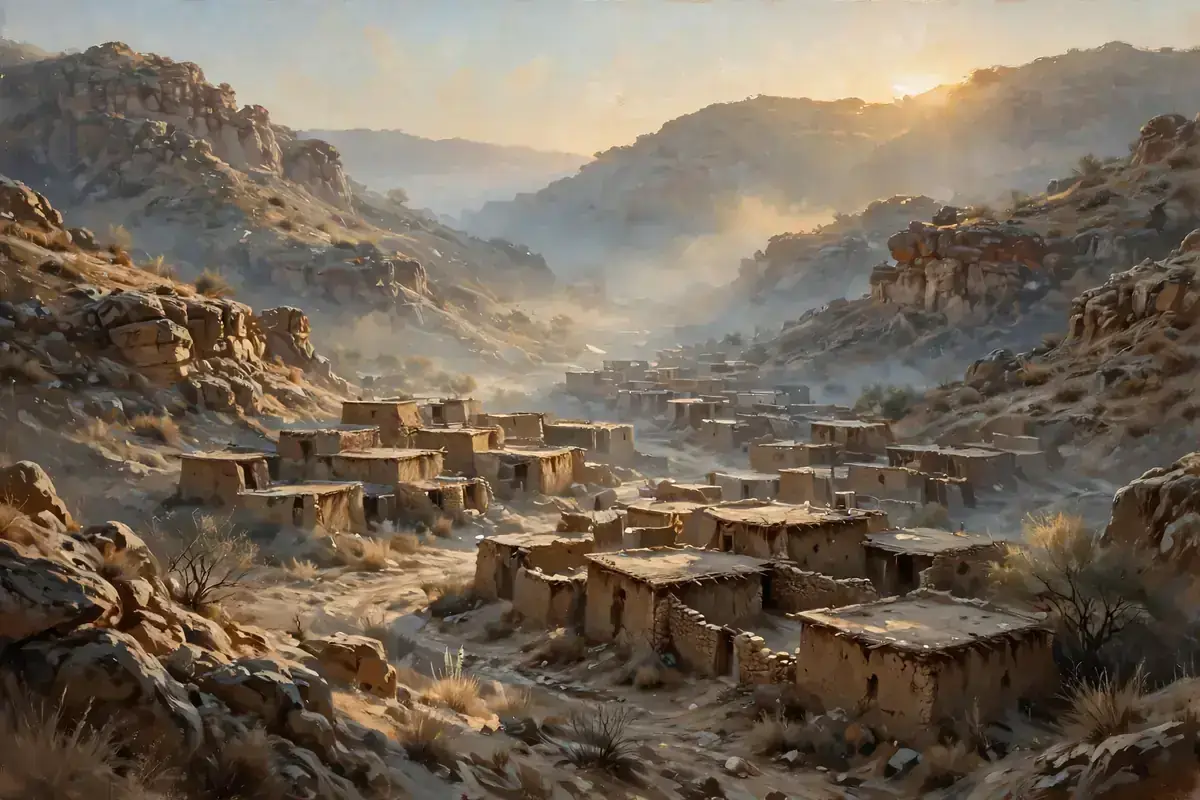
In the sixth century, Yemen was ruled by Abraha al-Ashram, an Abyssinian Christian governor who answered to the Kingdom of Aksum across the Red Sea. Abraha was ambitious, and he looked north with envy. Makkah, a small desert town with no walls and no standing army, held something he could not buy or build: the Kaaba, the ancient sanctuary that drew pilgrims and traders from across Arabia every year.
Abraha’s plan was bold. He built a grand cathedral in Sana’a, the capital of Yemen, called al-Qalis, and intended it to replace the Kaaba as the religious and commercial center of Arabia. If the pilgrims came to Sana’a instead of Makkah, the trade, the prestige, and the power would follow. But the Arabs of the Hijaz ignored his cathedral. The pilgrimage caravans kept flowing to Makkah, and the Kaaba kept its hold on their hearts.
According to the accounts of the seerah, Abraha decided that the only way to shift the center of Arabia was to destroy the Kaaba itself. He gathered a large, well equipped army, and for the first time in Arabian warfare, he brought war elephants with it. Arabia had never seen such beasts in battle, and their sheer size was meant to terrify every tribe on the road into submission.
What Happened
The March from Yemen
Abraha’s army moved north through the Hijaz, and tribe after tribe stepped aside rather than face armored soldiers and towering elephants. Near Taif, the local guide Abu Righal led them toward Makkah, and the army seized the grazing camels of the Quraysh, including two hundred camels belonging to Abdul Muttalib, the respected chief of the Quraysh and the grandfather of the Prophet.
Abraha sent word to the people of Makkah: he had not come to fight them, only to demolish the Kaaba. If they stayed out of his way, they would be safe. The Quraysh, who had no army that could stand against war elephants, withdrew into the surrounding mountains and left the city in Allah’s hands.
Abdul Muttalib’s Answer
Abdul Muttalib himself went to Abraha’s camp, not to plead for the Kaaba, but to ask for his camels back. Abraha was surprised. He had expected the chief of Makkah to beg for the sanctuary. Abdul Muttalib’s reply, preserved in the seerah accounts, was simple and full of faith: “I am the lord of the camels, and the House has a Lord who will defend it.”
Abdul Muttalib returned to Makkah, ordered the Quraysh to take shelter in the mountains, and stood by the Kaaba praying to Allah to protect His House. The city was left unguarded. There was no army, no wall, and no plan except trust in Allah.
The Birds of Ababil
The next morning, Abraha prepared to enter Makkah. The seerah accounts describe how the lead elephant, called Mahmud, knelt down at the boundary of the sacred territory and refused to move toward the city. The soldiers beat it and tried every trick, but it would not advance. When they turned it toward Yemen or any other direction, it rose and walked willingly. The moment they faced it toward Makkah again, it knelt.
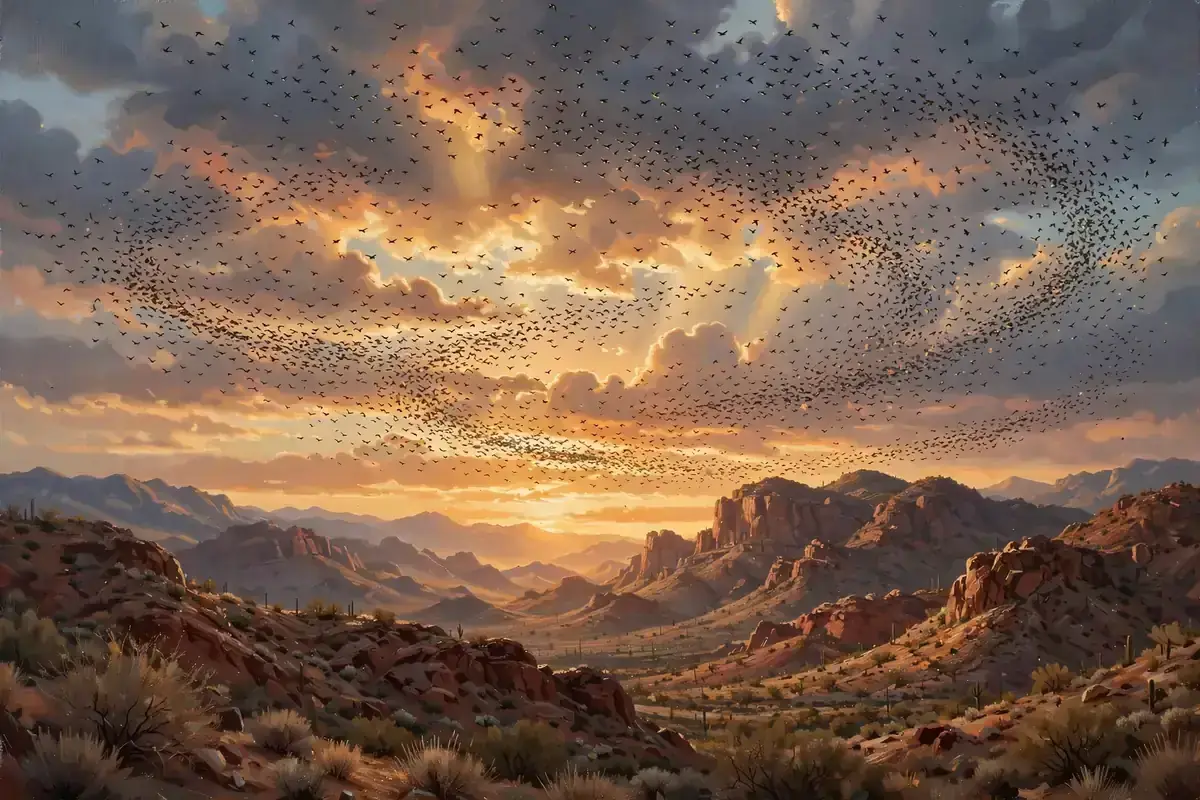
Then the sky filled with flocks of small birds, called ababil, coming from the direction of the sea. Each bird carried small stones of baked clay in its beak and claws. The birds rained the stones down on Abraha’s army, and every soldier struck by them fell. The mighty expedition collapsed without a single sword being drawn in defense. Abraha himself was wounded, fled with the remains of his army toward Yemen, and died on the retreat.
The Quran on the Event: Surah Al-Fil
Allah preserved this event in the Quran in Surah Al-Fil, “The Elephant,” the 105th surah. It was revealed in Makkah, and its first verse addresses the Prophet directly, as if to say: you were born into the year this happened, and your people still remember it.
أَلَمْ تَرَ كَيْفَ فَعَلَ رَبُّكَ بِأَصْحَابِ الْفِيلِ أَلَمْ يَجْعَلْ كَيْدَهُمْ فِي تَضْلِيلٍ وَأَرْسَلَ عَلَيْهِمْ طَيْرًا أَبَابِيلَ تَرْمِيهِم بِحِجَارَةٍ مِّن سِجِّيلٍ فَجَعَلَهُمْ كَعَصْفٍ مَّأْكُولٍ
Alam tara kayfa fa‘ala rabbuka bi-ashabil-fil. Alam yaj‘al kaydahum fi tadlil. Wa arsala ‘alayhim tayran ababil. Tarmihim bihijaratim-min sijjil. Faja‘alahum ka‘asfim-ma’kul.
Have you not seen how your Lord dealt with the companions of the elephant? Did He not make their plan into misguidance? And He sent against them birds in flocks, striking them with stones of hard clay, and He made them like eaten straw. (105:1–5)
کیا آپ نے نہیں دیکھا کہ آپ کے رب نے ہاتھی والوں کے ساتھ کیا کیا؟ کیا اس نے ان کی تدبیر کو ناکام نہیں کر دیا؟ اور ان پر پرندوں کے جھنڈ بھیجے، جو ان پر پکی ہوئی مٹی کے پتھر برساتے تھے، تو اس نے انہیں کھائے ہوئے بھوسے کی مانند کر دیا۔
Key Figures
- Abraha al-Ashram: the Abyssinian Christian ruler of Yemen, commander of the elephant army. His campaign ended in ruin, and he died on the retreat to Sana’a.
- Abdul Muttalib: chief of the Quraysh and grandfather of the Prophet. He refused armed resistance, placed the Kaaba’s defense in Allah’s hands, and prayed at the sanctuary.
- Mahmud: the lead war elephant of Abraha’s army, which knelt at the boundary of Makkah and refused to enter the sacred territory.
Lessons and Legacy
The Year of the Elephant became the reference point by which the Arabs dated events in the Hijaz, and they kept using it until the Islamic calendar replaced it in the time of Umar ibn al-Khattab. But its deeper legacy is what it taught about power. An empire with elephants and armor was destroyed by birds carrying clay, while an unarmed city that trusted Allah was saved without lifting a sword.
For the Quraysh, the event brought enormous prestige. They became known across Arabia as “the people of Allah,” the tribe whose sanctuary heaven itself had defended. And in that same year, around 570 CE, a child was born in Makkah to Abdullah and Aminah: Muhammad, who would grow up to be the final Messenger. The miracle that protected the House came in the very year its greatest servant was born, a pairing the Quran itself draws attention to.
The story also sets the tone for everything that follows in this Islamic history series: the pattern of Allah aiding His cause through means no one expects, from a cave on a mountain to a trench around a city. Forty years after the elephants knelt, the first revelation would come to that same city, in the month of Ramadan, in the year 610 CE.
FAQ
When was the Year of the Elephant?
The Year of the Elephant is dated to around 570 CE. It is the year the Prophet Muhammad was born, and the Arabs of the Hijaz used it as a reference point for dating events until the Islamic calendar was adopted.
Who was Abraha and why did he attack Makkah?
Abraha al-Ashram was the Abyssinian Christian ruler of Yemen. He built a grand cathedral in Sana’a to divert the Arabian pilgrimage trade from Makkah to Yemen. When the Arabs kept going to Makkah, he marched with an army, including war elephants, to destroy the Kaaba.
How was Abraha’s army destroyed?
According to the Quran (105:3–5) and the seerah accounts, Allah sent flocks of small birds, called ababil, which dropped stones of baked clay on the army. The soldiers struck by the stones fell, the expedition collapsed, and Abraha died during the retreat to Yemen.
What did Abdul Muttalib say to Abraha?
When Abdul Muttalib met Abraha, he asked for his seized camels rather than pleading for the Kaaba. He said, in words preserved by the seerah writers: “I am the lord of the camels, and the House has a Lord who will defend it.” Then he returned to Makkah and prayed for Allah’s protection.
Which surah of the Quran mentions the Year of the Elephant?
Surah Al-Fil, “The Elephant,” the 105th surah of the Quran, describes the event in five verses. It asks, “Have you not seen how your Lord dealt with the companions of the elephant?” and tells how birds in flocks reduced the army to “eaten straw.”
Final Thoughts
The elephants knelt, the birds came, and the House stood. The Year of the Elephant reminds us that no power on earth can overpower the plan of Allah, and that the mightiest armies are nothing against His smallest soldiers. It is fitting that this was the year the Prophet was born: the same Lord who defended His House that day would, forty years later, send His final Messenger from the very city He had saved.
Continue Reading
Follow the story into the first revelation in Cave Hira, when the angel Jibreel brought the first verses of the Quran, or return to the Islamic history timeline to explore all ten chapters of the early seerah.