
دُعَاءُ إِبْرَاهِيمَ عَلَيْهِ السَّلَام
Dua of Prophet Ibrahim: Arabic Text, Transliteration, Meaning, and Benefits
When Prophet Ibrahim (AS) raised his hands to Allah, he did not ask for wealth, long life, or worldly power. He asked for something deeper: a heart anchored in prayer, children who pray too, and forgiveness on the Day of Judgment. This dua, preserved in Surah Ibrahim, is one of the most personal and powerful supplications in the Quran.
At a Glance
Ibrahim, the 14th surah of the Quran
14:40–41, spoken by Prophet Ibrahim (AS)
Prophet Ibrahim (AS), father of the prophets
Steadfast prayer, righteous offspring, forgiveness
The Dua of Prophet Ibrahim in Arabic
VERSE 14:40
رَبِّ ٱجْعَلْنِى مُقِيمَ ٱلصَّلَوٰةِ وَمِن ذُرِّيَّتِى ۚ رَبَّنَا وَتَقَبَّلْ دُعَآءِ
Rabbi-j’alni muqimas-salati wa min dhurriyyati, rabbana wa taqabbal du’a’.
My Lord, make me steadfast in establishing prayer, and also my offspring. Our Lord, and accept my supplication.
اے میرے رب، مجھے نماز قائم کرنے والا بنا دے، اور میری اولاد کو بھی۔ اے ہمارے رب، میری دعا قبول فرما۔
VERSE 14:41
رَبَّنَا ٱغْفِرْ لِى وَلِوَٰلِدَىَّ وَلِلْمُؤْمِنِينَ يَوْمَ يَقُومُ ٱلْحِسَابُ
Rabbana-ghfir li wa li-walidayya wa lil-mu’minina yawma yaqumul-hisab.
Our Lord, forgive me and my parents and the believers on the Day the account is established.
اے ہمارے رب، مجھے اور میرے والدین کو اور تمام مومنوں کو اس دن معاف فرما دے جس دن حساب قائم ہوگا۔
Meaning and Context
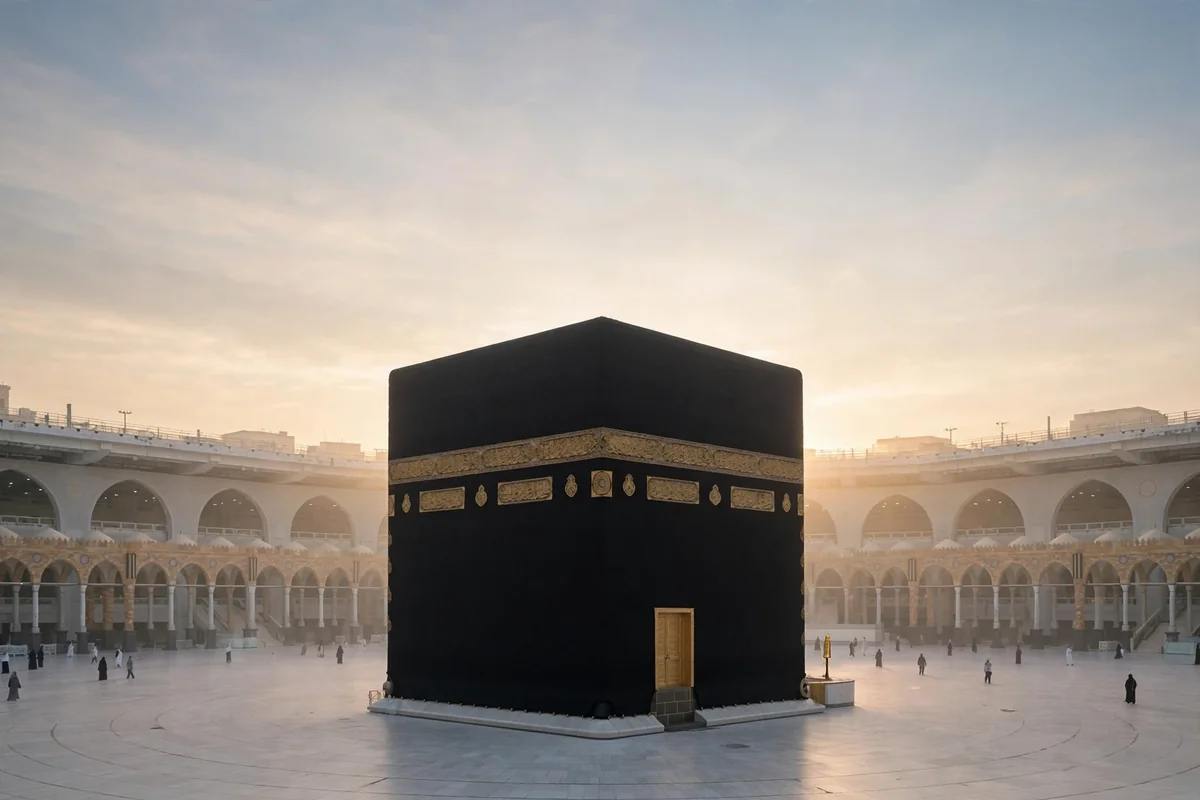
To understand this dua, picture the moment it was made. Prophet Ibrahim (AS) had settled his wife Hajar and his young son Isma’il in the barren valley of Makkah, near the site of the Ka’bah, trusting Allah completely. Later, father and son raised the foundations of the Sacred House together, an event the Quran records in Surah Al-Baqarah (2:127–129). The dua in Surah Ibrahim (14:37–41) comes from this chapter of his life: a father building the spiritual home of mankind and turning to Allah with the hopes closest to his heart.
Notice the order of his requests. First, Ibrahim asks for himself: make me one who truly establishes prayer, not just performs it as a habit. The word used is muqim, which carries the meaning of setting something upright and keeping it firm. Prayer was not a small thing to this prophet. It was the foundation, and everything else in the dua flows from it.
Second, he asks for his descendants. Why are prayer and offspring paired together? Because a prophet thinks in generations. Ibrahim knew he could not pray for his children forever, but Allah could guide them long after he was gone. By asking Allah to make his children steadfast in prayer, he was asking for the greatest gift a parent can leave behind: faith that outlives them. This is why so many parents today recite this very dua for their own children.
Then the dua turns to forgiveness: for himself, for his parents, and for all believers on the Day of Judgment. The mention of his parents deserves a gentle clarification. Classical scholars explain that Ibrahim made this dua for his father based on a promise he had made to him, but once it became clear that his father died upon disbelief, he distanced himself from seeking forgiveness for him (Quran 9:113–114). The principle this teaches is beautiful: love your parents and make dua for them, but do not seek forgiveness for anyone who died rejecting Allah.
Read this way, the dua of Prophet Ibrahim is a complete priority list in two verses: worship first, family next, and then mercy for yourself and all believers. It is the prayer of a man who had built the house of Allah with his own hands and now wanted his household, and his hereafter, to be built just as firmly. You can find it among the other supplications in our Quranic duas collection.
Virtues and When to Recite
This dua carries a special weight because of who made it. When a prophet of Ibrahim’s rank asks Allah for something, the request itself shows us what matters most. Prayer comes first in his list, which tells us that steadfastness in salah is worth asking for again and again, even for someone as great as him. If Ibrahim (AS) needed to pray for his own firmness in worship, how much more do we?
Many people recite this dua regularly as part of their daily supplications. It is commonly read in sujood, after the obligatory prayers, and whenever someone is making dua for their children or family. Parents especially find comfort in it, because it gives them words from the Quran itself to ask Allah for righteous offspring. It is also recited when asking Allah to accept one’s worship, since the verse itself ends with “accept my supplication.”
There is no fixed number of times authentically prescribed for reciting it. You can read it once with full presence of heart, or make it a regular part of your morning and evening duas. The reward lies in sincerity and consistency, not in counting repetitions. Like the dua of Prophet Adam, it is a Quranic supplication anyone can add to their daily routine.
FAQ
What is the dua of Prophet Ibrahim?
It is the supplication in Surah Ibrahim, verses 40–41, where Prophet Ibrahim (AS) asks Allah to make him and his descendants steadfast in prayer, to accept his supplication, and to forgive him, his parents, and the believers on the Day of Judgment. It is one of the most well-known Quranic duas for prayer and family.
When should I recite this dua?
You can recite it at any time. Many people include it in sujood, after their daily prayers, or during their personal dua sessions. It is especially fitting when you are asking Allah for steadfastness in worship or making dua for your children and family.
Can parents recite this dua for their children?
Yes, and that is one of its main uses. Ibrahim (AS) himself asked Allah to make his descendants steadfast in prayer. Parents today recite these same words hoping Allah blesses their children with the same firmness in worship. It is a beautiful way to combine love for your children with trust in Allah.
Why does the dua say “my parents” when Ibrahim’s father was a disbeliever?
Ibrahim (AS) originally made dua for his father because of a promise between them. The Quran explains (9:113–114) that once it became clear his father died upon disbelief, Ibrahim distanced himself from seeking forgiveness for him. The lesson is that we should make dua for our parents’ guidance and mercy in this life, but not seek forgiveness for anyone who died rejecting Allah.
Where can I find the Arabic text of this dua?
The complete Arabic text of both verses (14:40–41) is given above on this page in Uthmani script. You can read and memorize it directly from here without going anywhere else.
Is this dua from the Quran?
Yes. It is quoted directly from the Quran, Surah Ibrahim (the 14th surah), verses 40 and 41. These are Allah’s own words narrating the supplication of Prophet Ibrahim (AS), which is why it holds such a high status among Islamic duas.
What are the benefits of reciting this dua?
It asks for the most valuable things a believer can want: firmness in prayer, righteous children who also pray, acceptance of one’s worship, and forgiveness on the Day of Judgment. Reciting it regularly reminds us to put prayer first, to care about our family’s faith, and to keep turning to Allah for mercy.
How many times should I recite it?
No fixed count has been authentically prescribed for this dua. Read it once with a present heart or make it a daily habit. What matters is sincerity and consistency, not a specific number of repetitions.
Final Thoughts
The dua of Prophet Ibrahim (AS) is short, but it holds a lifetime of wisdom. In two verses, a great prophet teaches us to ask for what truly lasts: a heart that stands firm in prayer, children who carry that light forward, and forgiveness when we stand before Allah. Add it to your daily duas, teach it to your family, and let it remind you that the best inheritance you can leave behind is faith. May Allah make us and our descendants among those who establish prayer, and may He accept our supplications. Ameen.
Continue Reading
Explore the dua of Prophet Adam, another beautiful Quranic supplication of repentance and mercy, or browse the full Quranic duas collection.